




ROSTRO DE LA ISLA
REESCRIBIENDO CUBA
ÚLTIMAS HISTORIAS
21 December, 2021
En los años cincuenta el ya fallecido Fidel Castro Ruz, en su supuesto programa de reformas hablaba de las precarias condiciones de trabajo a la que se tenían que enfrentar los cubanos, que con el triunfo de la revolución todo cambiaria, y que un futuro próspero y sin explotación afloraría para todos los trabajadores en […] Leer más
21 December, 2021
Desde el mismo primero de enero, el gobierno del entonces Fidel Castro comenzó una estela de medidas con la finalidad de tener control absoluto sobre, todas las esferas de la vida de los cubanos. Infinidad de planes y ejecución de proyectos para socavar las libertades, fueron el eje central de la naciente dictadura, que desde […] Leer más
21 December, 2021
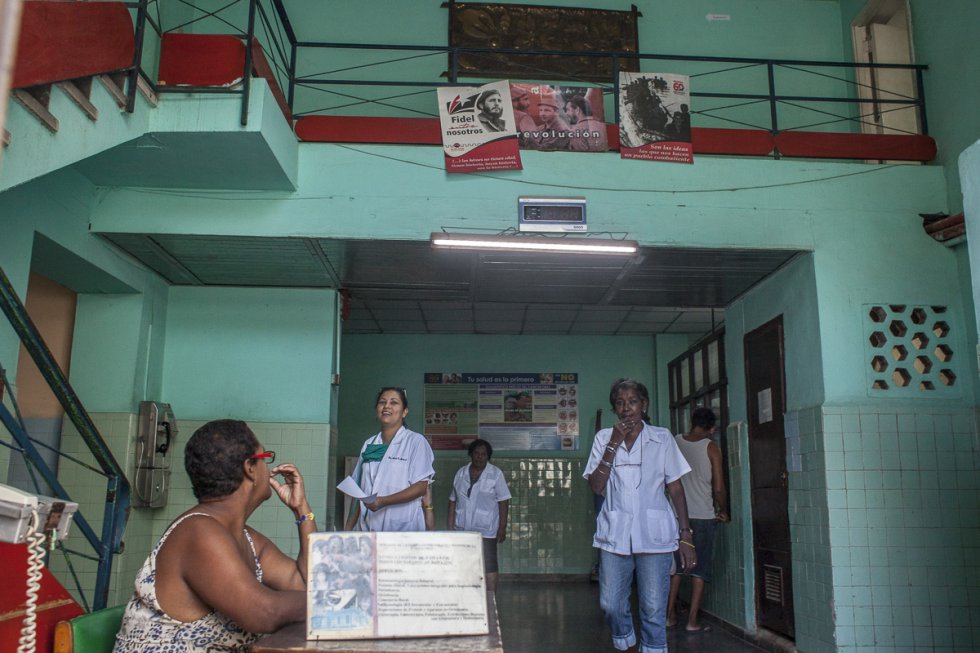
A lo largo de sesenta años el gobierno de la República de Cuba se ha vanagloriado de los resultados del sistema de salud cubano, incluso datos publicados por el sistema de salud mundial colocan a la isla entre los de avanzada. También, recalcar las brigadas de médicos y personal de la salud, que han asistido […] Leer más
21 December, 2021
A lo largo de sesenta años La Republica de Cuba ha vivido varios procesos, todos en medio de un mar de incertidumbre y fracasos. El entonces abogado Fidel Castro en el año 1953 asaltó al cuartel Moncada con un grupo de jóvenes de aquella época con el pretexto de que el presidente Fulgencio Batista Zaldívar […] Leer más
21 December, 2021
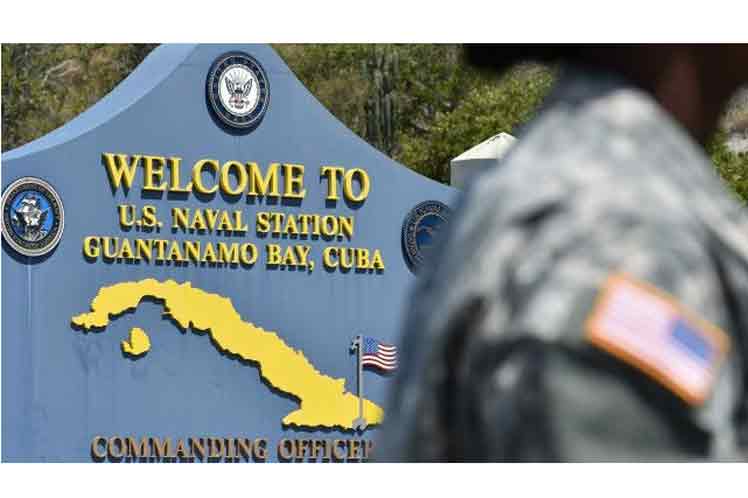
La Base Naval militar de los EE. UU enclavada en la Bahía de Guantánamo desde 1902, bajo el triste acuerdo de la Enmienda Platt, cambió la vida de los pobladores de Guantánamo hasta la fecha. Se agravó después de 1959 cuando Fidel Castro tomó el poder. En el periodo republicano, la vida relacionada a la […] Leer más

21 December, 2021
En cuba los estudios de grabaciones musicales existen como en cualquier otro país, solo que con distintas condiciones debido a la organización y a la política que el gobierno les ha otorgado a estos centros. Tan solo los grandes artistas reconocidos por su obra, en su mayoría distinguidos seguidores de la ideología imperante en el […] Leer más
15 November, 2021
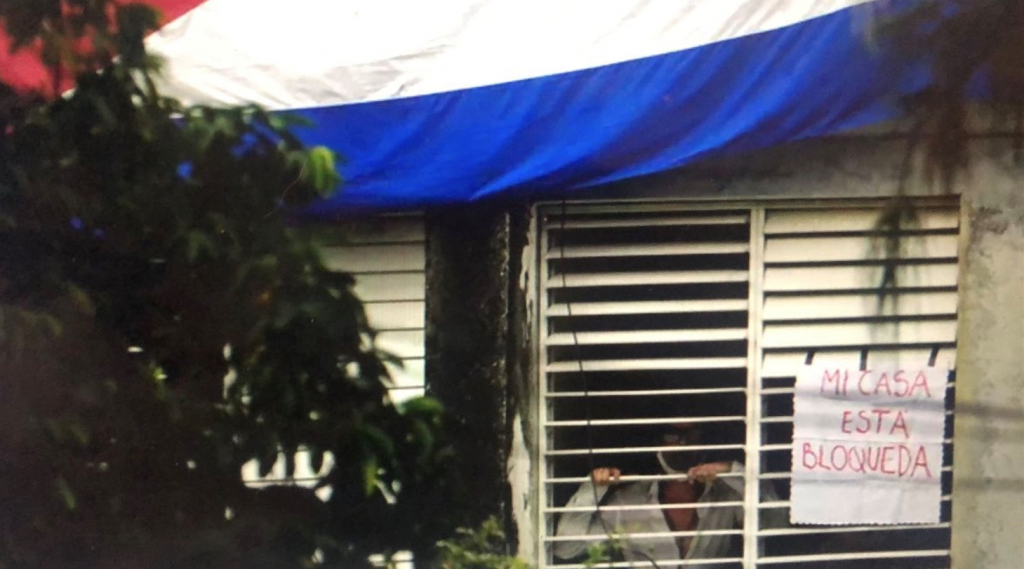
A un día de la marcha pacífica convocada por la iniciativa ciudadana Archipiélago en Cuba y apoyada por organizaciones y activistas de DDHH, denunciamos la ola represiva que se ha intensificado en el país contra sus promotores y los ciudadanos que se identifican con ella. Las organizaciones acá firmantes solicitamos a la sociedad civil internacional […] Leer más

29 October, 2021
Un punto y aparte merece la mujer cubana, que desde que yo tengo uso de razón, ha pasado un trabajo inmenso, para conseguir ropa interior adecuada, para estar lista y cómoda cada 28 días. Toallas sanitarias, tampones de calidades pésimas para contener el sangrado y la mayoría, incluso desconoce el avanzado recurso de la […] Leer más
20 July, 2021
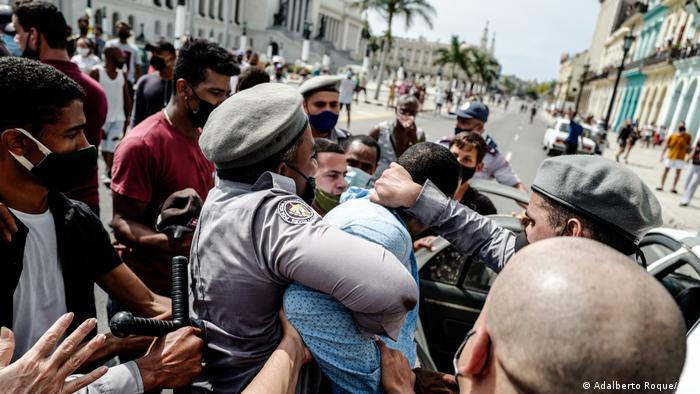
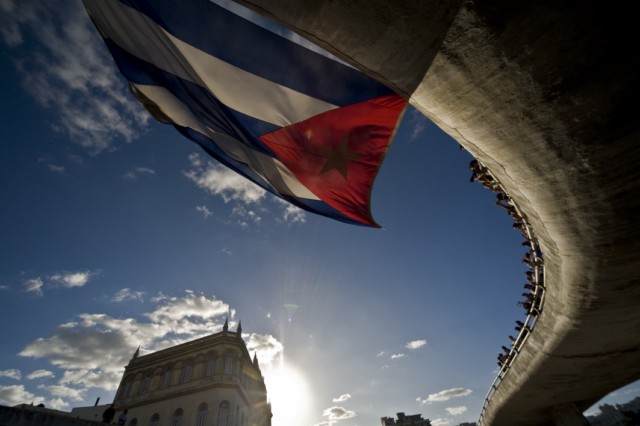
13 de julio de 2021.- Las organizaciones firmantes condenamos la represión del gobierno cubano hacia las protestas ciudadanas registradas desde el 11 de julio de 2021 y que hasta el momento siguen aconteciendo. Asimismo, hacemos un llamado urgente a la administración presidida por Miguel Díaz-Canel a detener todo acto de violencia y violaciones a los […] Leer más
28 June, 2021
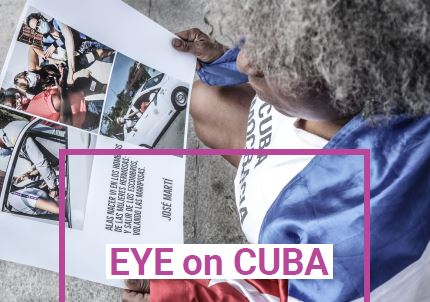
¿Qué consecuencias acarrea ser una mujer activista en Cuba actualmente? ¿Qué factores contribuyen a la hostilidad que directa o indirectamente afecta a todas las mujeres cubanas y qué matices específicos adopta la violencia institucional dirigida hacia mujeres? Estas son las preguntas que People in Need plantea en el último informe de EYE on CUBA titulado […] Leer más
15 June, 2021
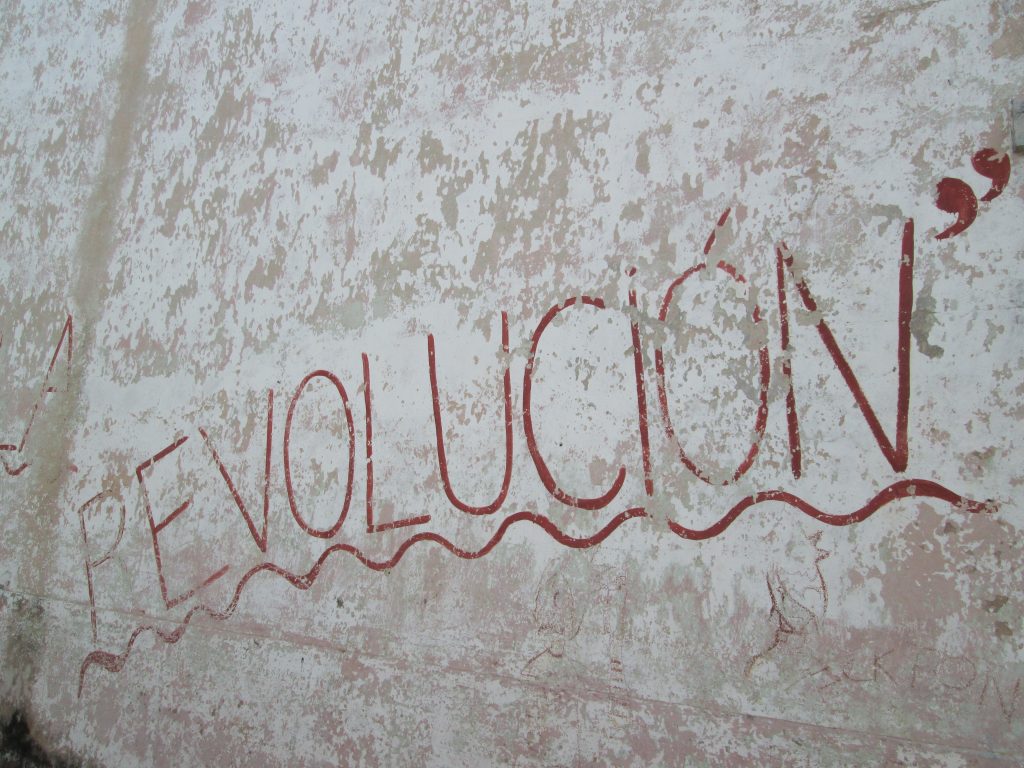
Desde el mismo ataque al cuartel Moncada en 1953 el entonces joven Fidel Castro Ruz denunciaría según él, los males que dañaban a la república como la corrupción, robos, drogadicción, prostitución, violencia, entre otros. Que un nuevo gobierno, defensor del pueblo, era la solución a los problemas que existían en esos años. Esa fue […] Leer más
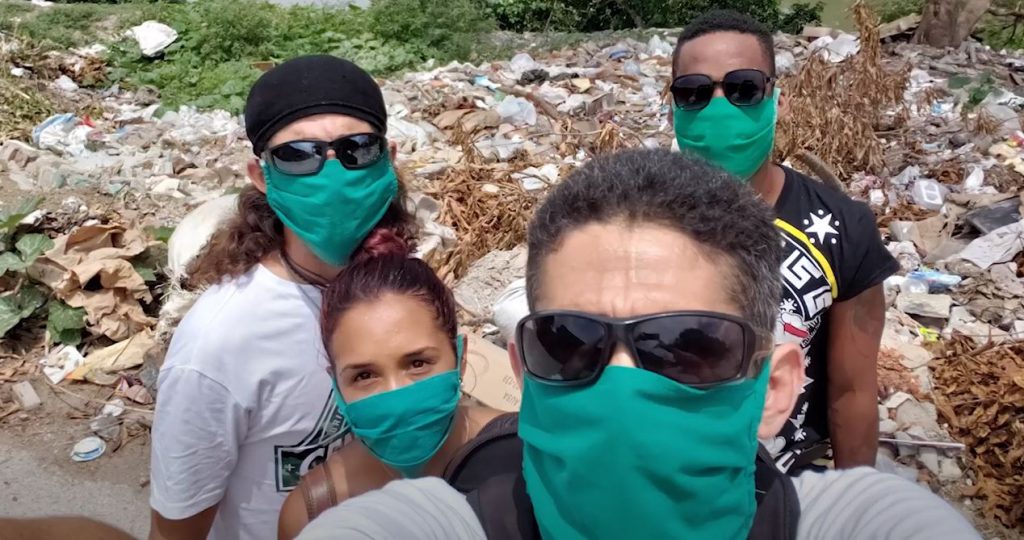
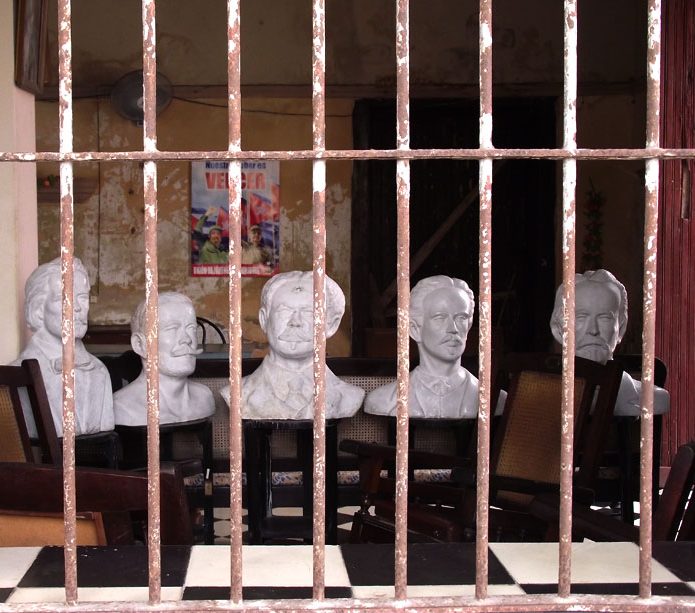
Los y las artistas cubanas están decididas a salvar el río Guaso en Guantánamo, la provincia más oriental de Cuba. El río, que antes estaba limpio, se ha contaminado porque la gente tira la basura en una zona que carece de contenedores públicos y de conciencia medioambiental. Las autoridades cubanas no proporcionan una infraestructura adecuada […] Leer más
22 May, 2021
A mi modo de ver y abordar el tema, las sistemáticas violaciones de derechos humanos en Cuba han tenido como instrumento principal la represión solapada y sutil contra opositores pacíficos y a la población en general por parte del régimen de La Habana Si bien es cierto que no fue la primera época de violaciones […] Leer más
14 May, 2021
El Movimiento Cubano Reflexión (MCR), ha sido blanco de un abanico de modalidades represivas, por parte de la Seguridad del Estado (DSE). Desde su fundación en el año 1994, sus miembros han sido víctima de arrestos, amenazas, difamación, vigilancia, persecución, actos de repudio, chantajes, registros y demás. A pesar de que en su comienzo se […] Leer más

3 May, 2021
En enero de 1959, Fidel Castro llega al poder después de haber derrocado por las armas y con una campaña terrorista a nivel nacional, al Presidente Fulgencio Batista. Ese mismo año Castro declara: “Donde hay crimen no hay libertad de prensa, donde hay crimen se oculta lo que se hace”.También declaró, en varias ocasiones, de […] Leer más
29 April, 2021
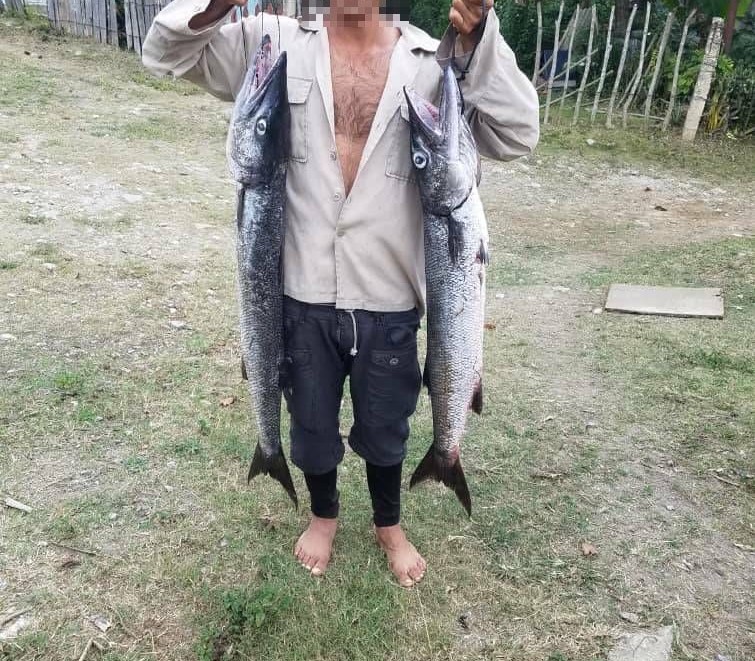
Un oficio de los más antiguos y, paradójicamente perseguido en nuestra actualidad, es el de la pesca. A pesar de ser Cuba una isla y en el Caribe haber pescado por siglos, los cubanos carecemos por décadas de ese alimento, y solo cuentan poder degustarlos aquellos que tienen una dieta médica, recibiendo un kilo mensual […] Leer más
20 April, 2021
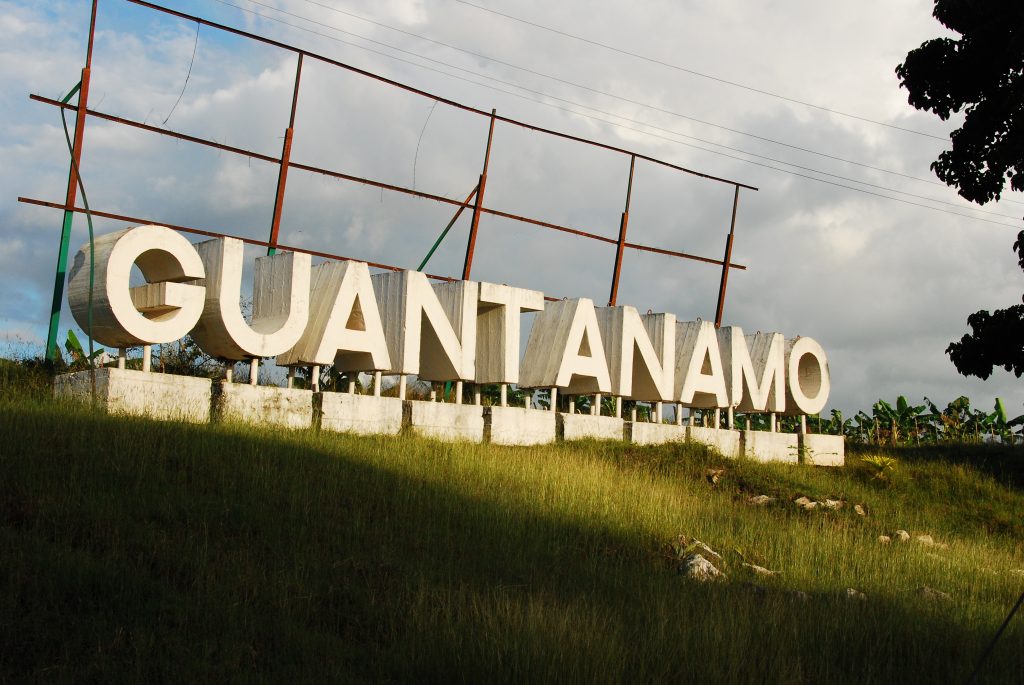
Historia Guantánamo es la provincia más oriental de Cuba, su nombre es de procedencia aborigen, que quiere decir “Tierra entre Ríos”. Precisamente fue en esta tierra que el almirante Cristóbal Colón desembarcó en 1942 y donde se fundara la primera villa, la que fue nombrada Nuestra Señora de la Asunción, en 1511. El 30 de […] Leer más
15 April, 2021
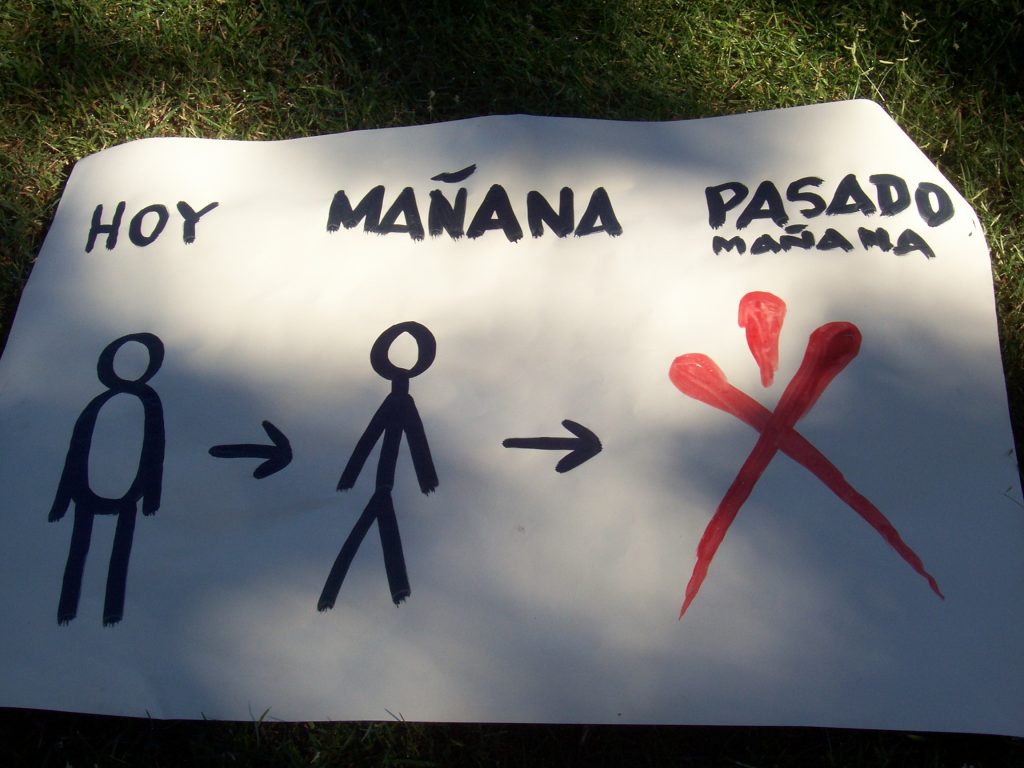
A lo largo de más de sesenta años, el régimen totalitario de la república de Cuba ha violado los derechos humanos de todas las personas, de una u otra forma. Por otro lado, es de destacar la labor de los y las activistas, que durante más de seis décadas defienden los derechos fundamentales, bajo la […] Leer más
29 March, 2021
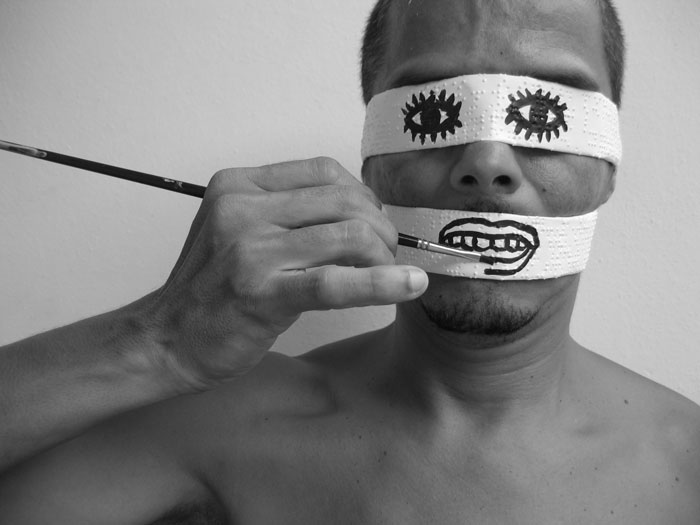
En Cuba estar a tono con la verdad y la sinceridad es unos de los senderos más peligrosos a escoger, como lo hacen a diario los opositores o disidentes pacíficos al gobierno. Cuando una persona decide disentir o pensar diferente a la ideología enmarcada por el sistema autoritario implantado en la isla, de inmediato pasa […] Leer más
22 March, 2021
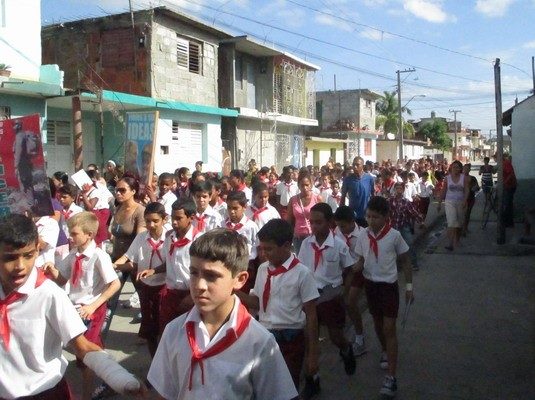
Desde comienzos de la Revolución, hace más de seis décadas, la educación escolar cubana fue prácticamente obligada a ser atea y desvinculada de toda religión o institución religiosa. Aunque el sistema educacional cubano es gratuito en todos los niveles, las condiciones bajo las cuales se desarrolla el proceso cognoscitivo en Cuba rayan lo precario. Una […] Leer más
16 March, 2021
2020 fue otro año lleno de complejidades para Cuba. La pandemia de COVID-19, el desabastecimiento, el aumento de la represión y las persistentes sanciones marcaron las vidas de la población cubana a la vez que impactaron las decisiones del régimen cubano. A pesar de la llegada de la pandemia no hubo tregua para las detenciones […] Leer más
8 March, 2021
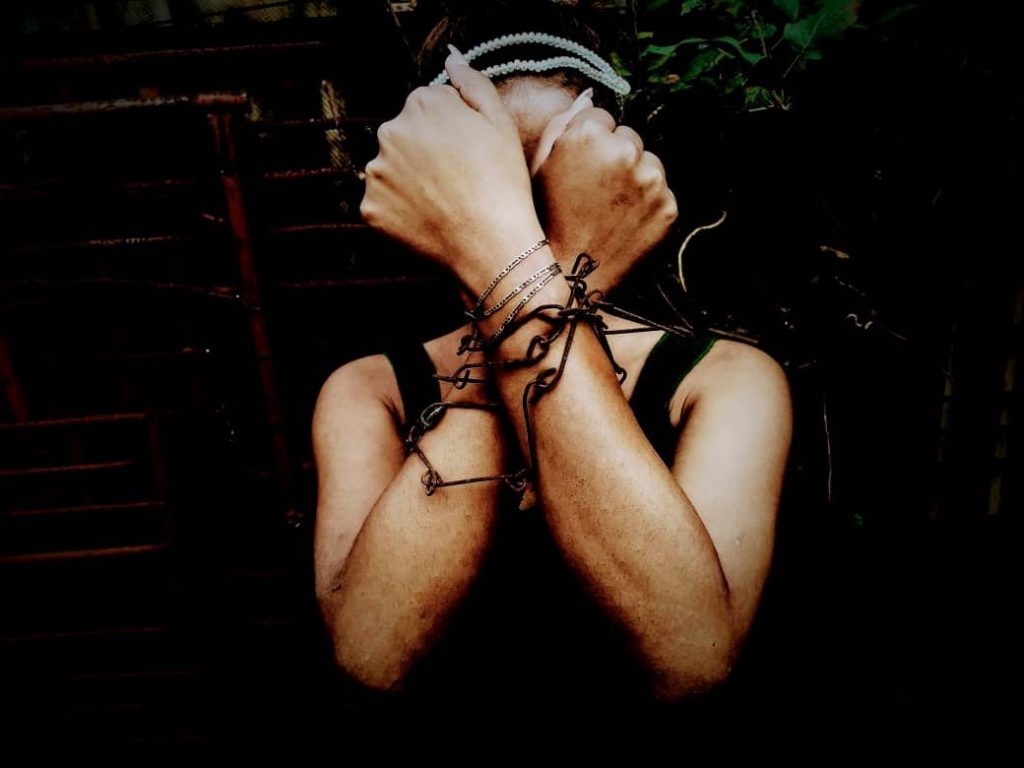
El Estado y las autoridades tienen la obligación de garantizar una protección absoluta a la ciudadanía, sin embargo se muestran reacios e intolerantes ante las denuncias de acoso, violaciones, amenazas e incluso maltratos originados en el seno familiar En lo que va de año se han producido 10 feminicidios en Cuba. Organizaciones independientes de la […] Leer más
28 February, 2021
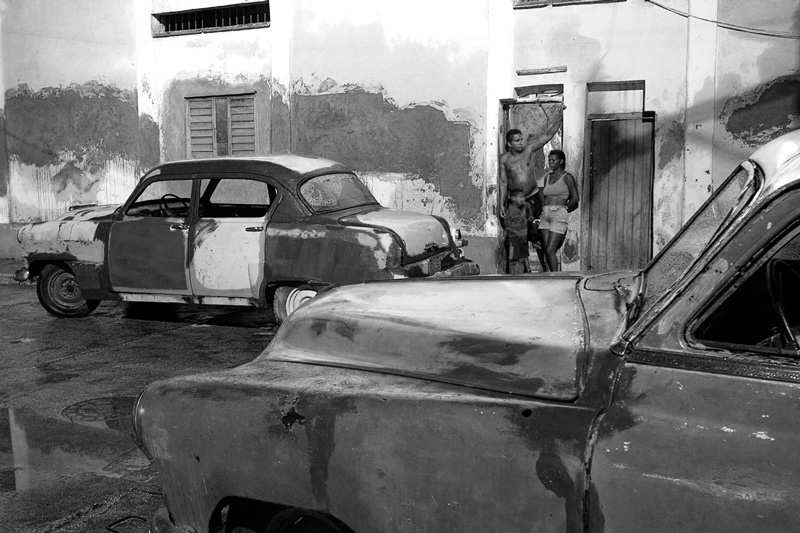
En Cuba pudiera decirse que se vive en dos países, uno es Oriente (Guantánamo, Santiago de Cuba, Granma, Las Tunas, Holguín), el otro, Occidente (Pinar del Río, Habana, Mayabeque, Artemisa y Matanzas). Aunque bien por el temaque abordaré se puede considerar las demás provincias como parte del Occidente, digamos Camagüey, Ciego de Ávila, Santi Spíritus, […] Leer más
5 February, 2021
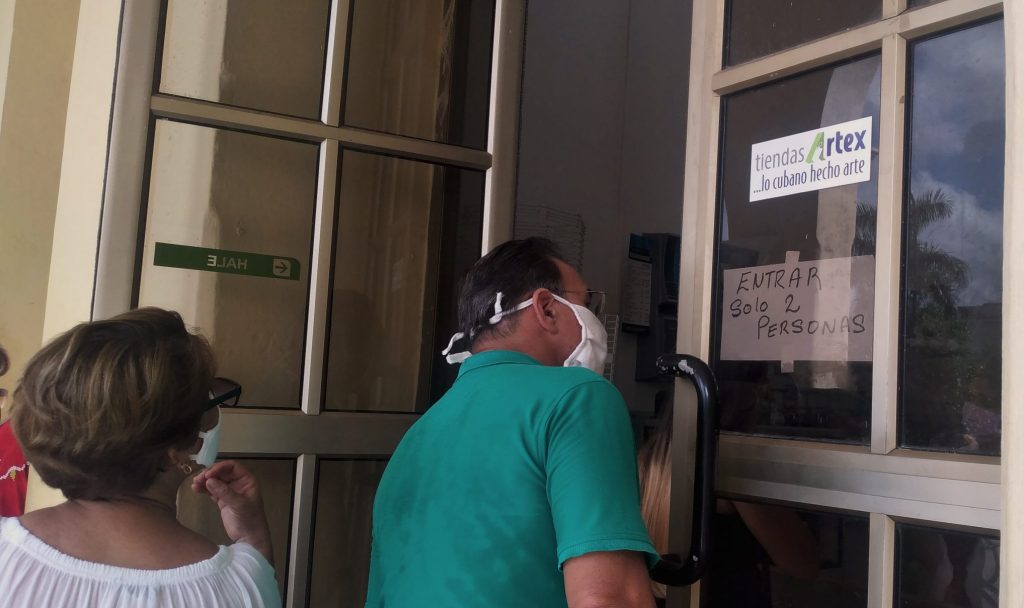
«Para tomarme una sopa imagínate, la malanga a 25 pesos la libra, la carne de cerdo está a 60 pesos. Cuando termine mi sopa no puedo pagar ni la corriente del mes» Desde que llegó Trump a la presidencia de los EE.UU en 2016 la sensible economía cubana inició su tambaleo al descalabro, así lo […] Leer más
31 January, 2021
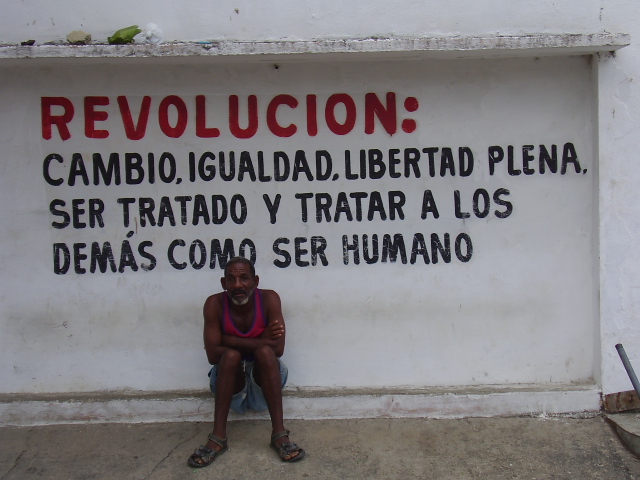
Los supuestos representantes del pueblo de la isla se jactan de decir que Cuba si cumple a cabalidad los Derechos Humanos, la realidad cruel es otra. A lo largo de más de sesenta años, el gobierno cubano ha hecho hasta lo imposible para ocultar, el delicado tema de Derechos Humanos, Cuba es fundador y firmante […] Leer más
18 January, 2021
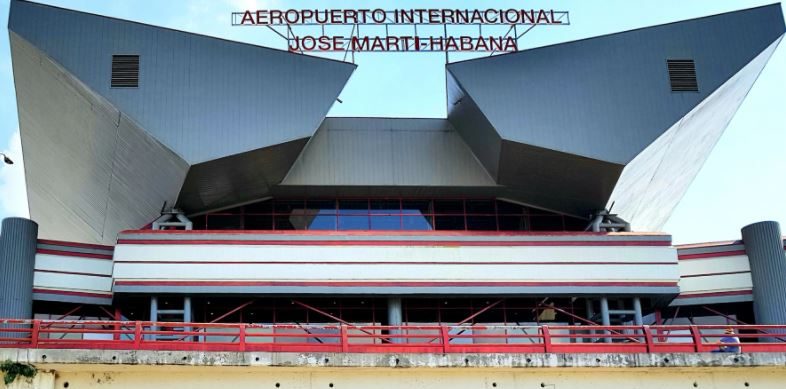
En el momento de que el Aeropuerto Internacional José Martí de La Habana, reinició los servicios al público el 15 de noviembre de 2020 con la realización de vuelos comerciales, regulares y chárter, la aviación civil cubana entró en una etapa conocida como “La nueva Normalidad”. Después del 1ro de julio de 2020 y coincidiendo […] Leer más
15 January, 2021
En muchas ocasiones tenemos ideas, proyectos o causas a las cuales nos gustaría aportar, pero no logramos generar impactos. Establecer nuestra propia organización o estructurar la que ya tenemos es una buena manera de asegurar que nuestras acciones tendrán el impacto que esperamos. Para contribuir a este proceso hemos creado la serie de videos “Cómo […] Leer más
15 January, 2021
Una de las herramientas más importantes para convertir nuestros ideales o sueños en acciones concretas y capaces de generar un cambio profundo es la planeación estratégica. Para contribuir a dar este salto en este video de la serie “Cómo sacar pa’ lante tu ONG” hablaremos sobre la planeación estratégica de organizaciones de la sociedad civil. […] Leer más
15 January, 2021
Por lo general, las organizaciones cuentan con pocos recursos económicos, pero con personas muy motivadas y dispuestas a trabajar, por lo que una buena gestión de los recursos humanos puede ser la clave del éxito. Pero, ¿Cómo organizar este grupo de trabajo? En este vídeo de la serie «Cómo sacar pa’ lante tu ONG » […] Leer más
15 January, 2021
En este video de la serie «Cómo sacar pa’ lante tu ONG» buscaremos atender a uno de los temas que más preocupación puede causar a la hora de llevar a cabo una iniciativa ¿cómo conseguir recursos económicos para nuestra organización? Puedes acceder al video dando click en la imagen o aquí Si deseas profundizar en estos temas te recomendamos consultar: […] Leer más
15 January, 2021
Las actividades de la sociedad civil a menudo implican amenazas y riesgos para el trabajo que se realiza y para las personas involucradas. Estos peligros son mayores en países autoritarios o con un estado de derecho débil. Para mitigar los riesgos en el ámbito digital, en este video de la serie «Cómo sacar pa’ lante […] Leer más
15 January, 2021
Dar a conocer el trabajo de nuestra organización nos ayudará a ganar aliados tanto en nuestra comunidad como en la sociedad en general e incluso internacionalmente. A la vez, mejorará la percepción que hay sobre nuestra organización y sobre nuestro trabajo. Para lograrlo en este vídeo de la serie «Cómo sacar pa’ lante tu ONG» […] Leer más
21 December, 2020
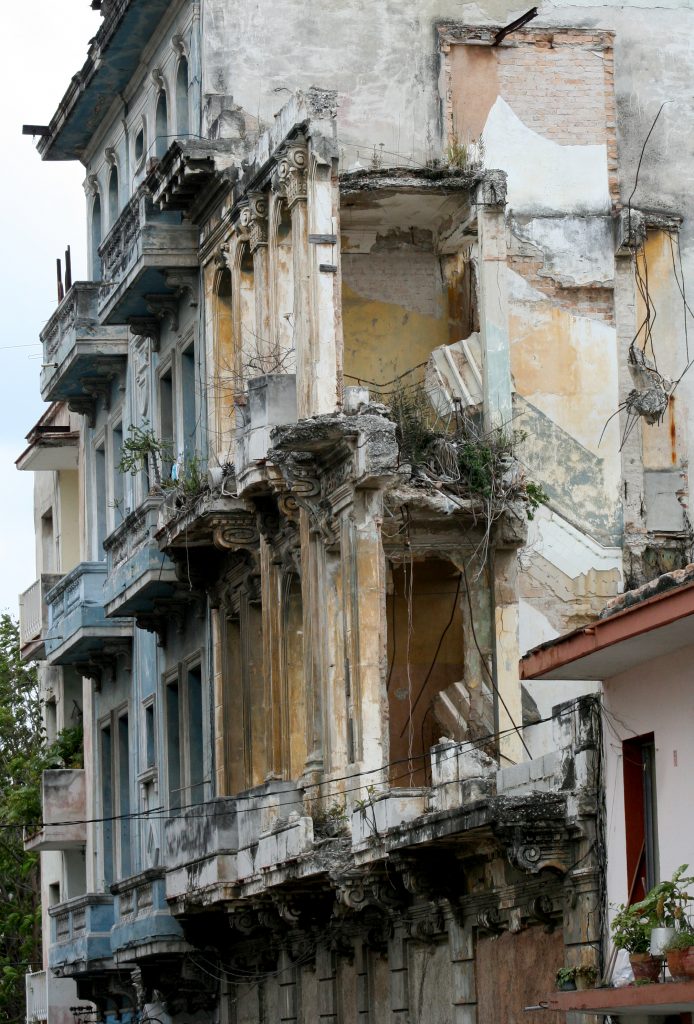
Actualmente muchas familias en toda la isla, enfrentan una pandemia en condiciones extremas, viven el día a día con la amenaza de un techo que puede desplomarse en cualquier momento La situación de la vivienda es uno de los males que más afecta a la sociedad cubana. El gobierno ha reconocido que se necesita un […] Leer más
12 December, 2020
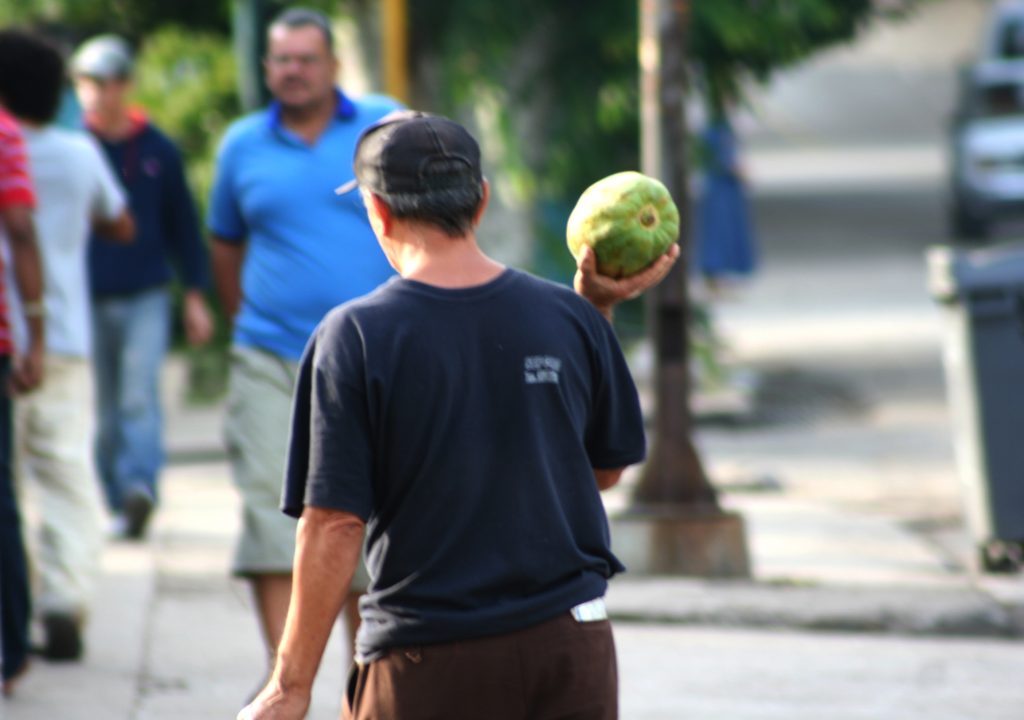
Para comprar alimentos hay que volverse un ninja, cuando sacan pollo las colas son enormes y ya hay desde hace días gente marcando, no sé cómo se enteran Juana María Cortina es contadora de una filial de la Empresa de Comercio en Guantánamo, tiene una hija de 21 años y el único salario que entra […] Leer más
12 December, 2020
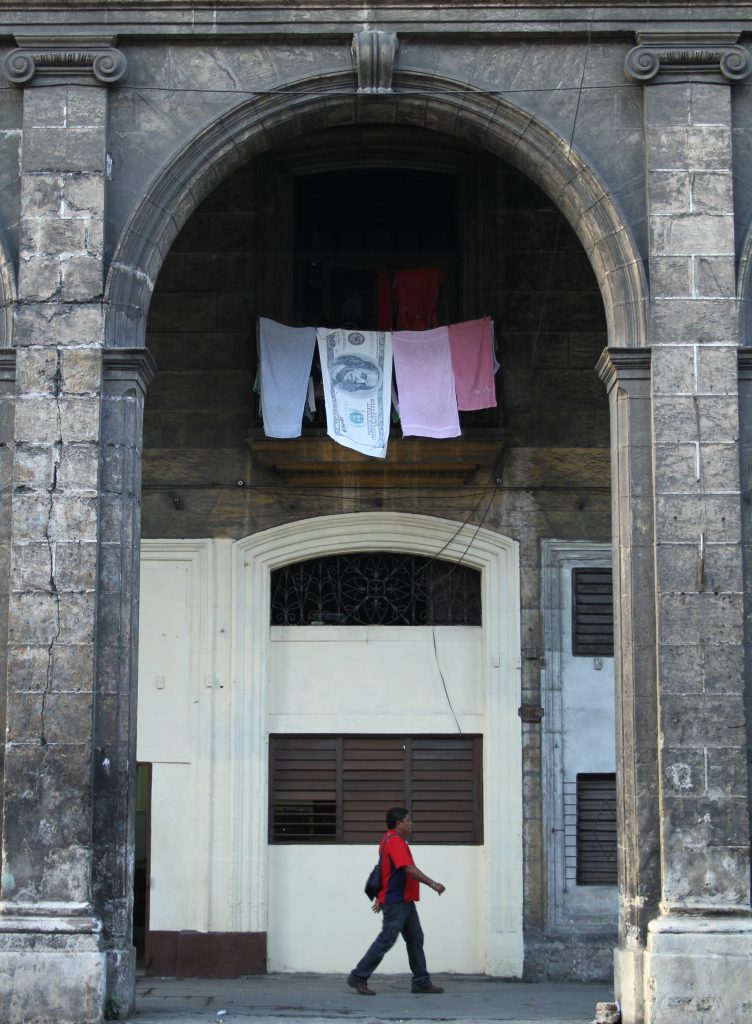
Se institucionalizó la desigualdad en la sociedad cubana, pues no todos los ciudadanos pueden acceder a esta moneda para obtener servicios básicos, la mayoría de los ciudadanos quedan fuera del ingreso del dólar Con la expansión del nuevo coronavirus por todo el mundo, la economía global experimentó una crisis generalizada, nuestro país no quedó fuera […] Leer más
12 December, 2020
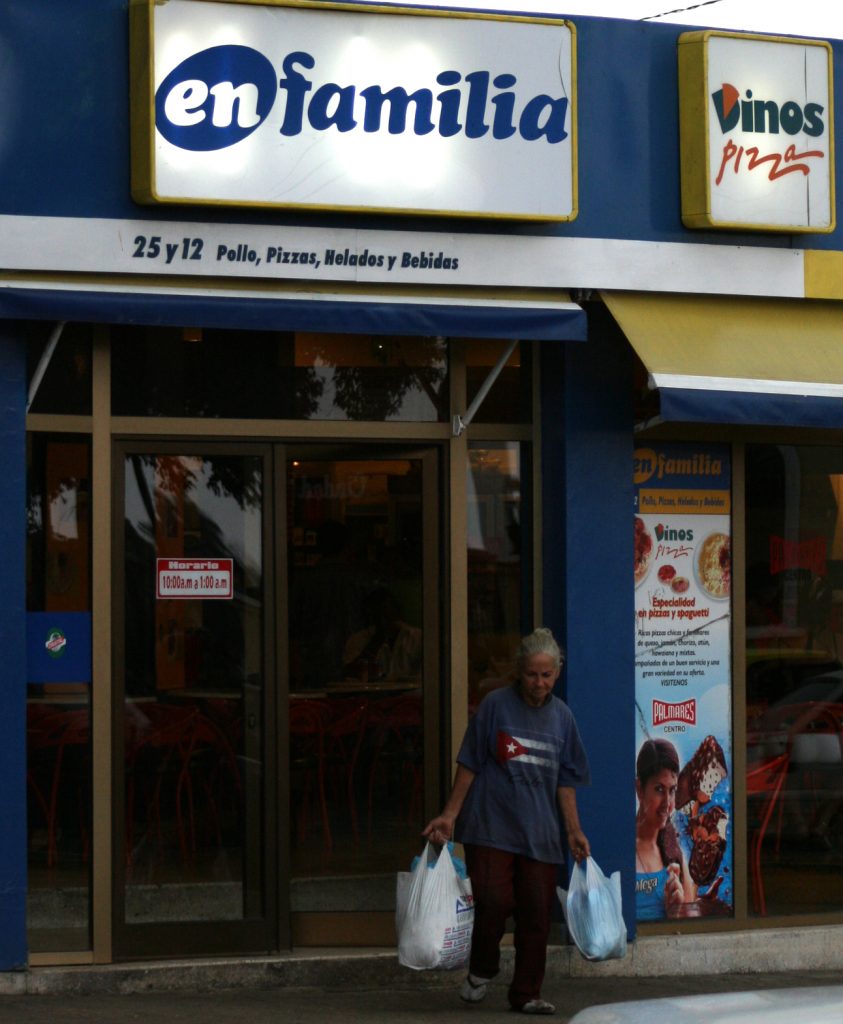
Todos los mecanismos existentes para lograr el que llevar a la mesa ahora presentan más dificultad por la escasez en la oferta y el aumento en el precio de los artículos de primera necesidad. La pandemia de la Covid-19, ha venido a aumentar el reto de la gran mayoría de los cubanos en la isla: […] Leer más
12 December, 2020
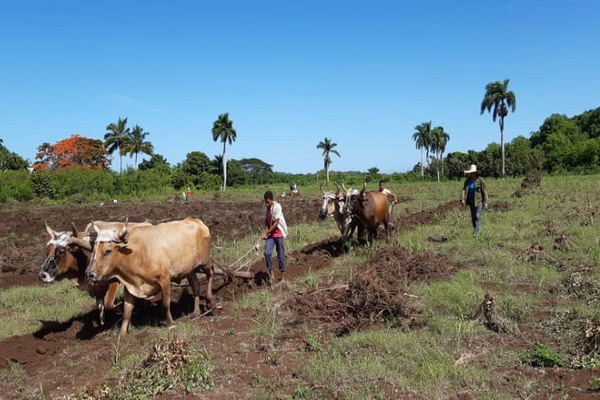
“Antes, si ponías empeño y sacrificio vivías perfectamente con lo que fueras capaz de sembrar…, ahora, aunque trabajes como un esclavo, pa’ sacarle ganancias a una cosecha tienes que ser mago” “Se ve muy lindo y parece fácil, aunque la vida del campesino es dura donde quiera que te pares”, dijo de repente al verme […] Leer más
11 December, 2020
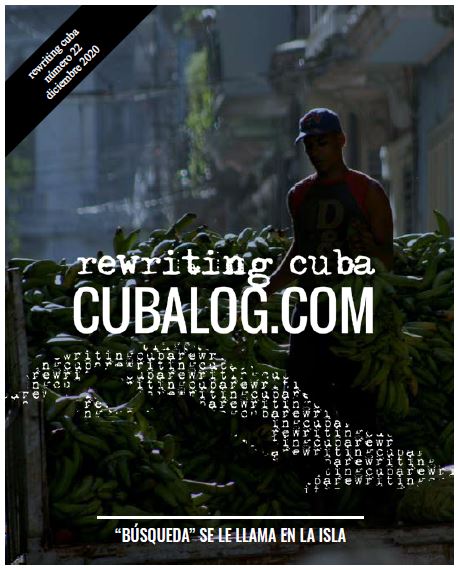
Descarga AQUÍ el boletín completo Como en otros países, la llegada de la pandemia del Covid-19 a Cuba no solo produjo impactos en materia de salud, también trajo consigo el empeoramiento de varias de las problemáticas ya existentes. En el caso cubano, la crisis sanitaria, sumada a los preexistentes problemas económicos del país, desataron una crisis […] Leer más
7 December, 2020
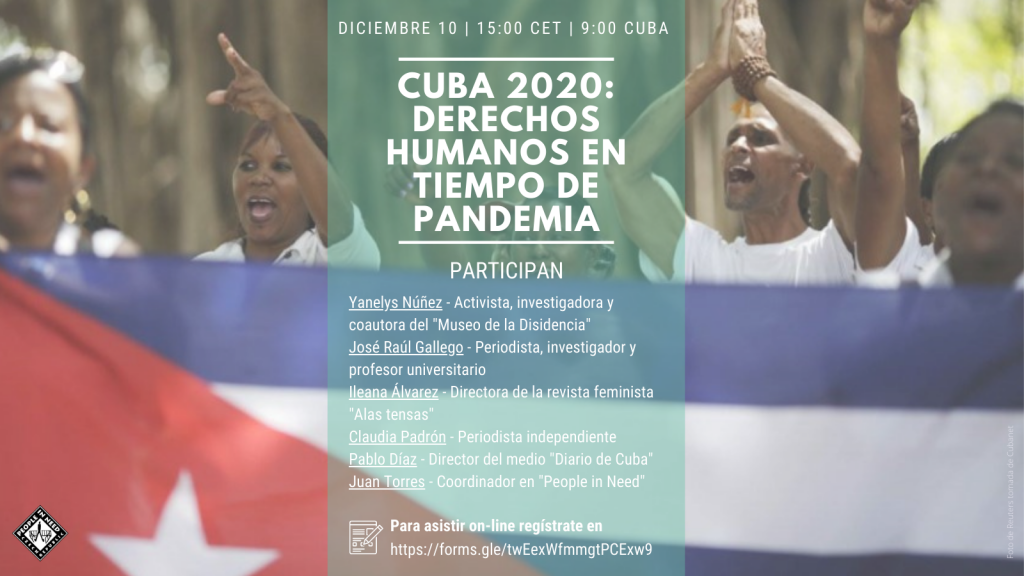
Inscríbete aquí y sigue el evento on-line Leer más
2 December, 2020
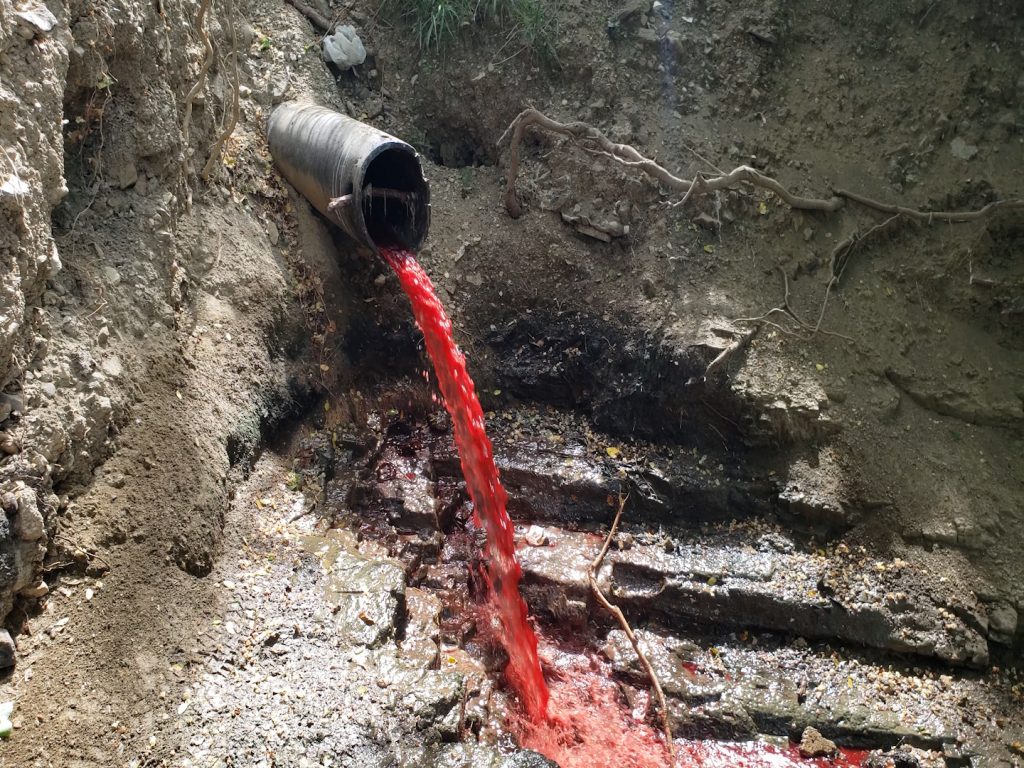
Para nadie es un secreto que el gobierno cubano ha recibido millones de euros y dólares de países e instituciones no gubernamentales para proyectos encaminados a la preservación del medio ambiente. ¿A dónde han ido a parar esas grandes sumas de dinero? Por más de sesenta años, el gobierno de Cuba ha mentido al pueblo […] Leer más
26 November, 2020
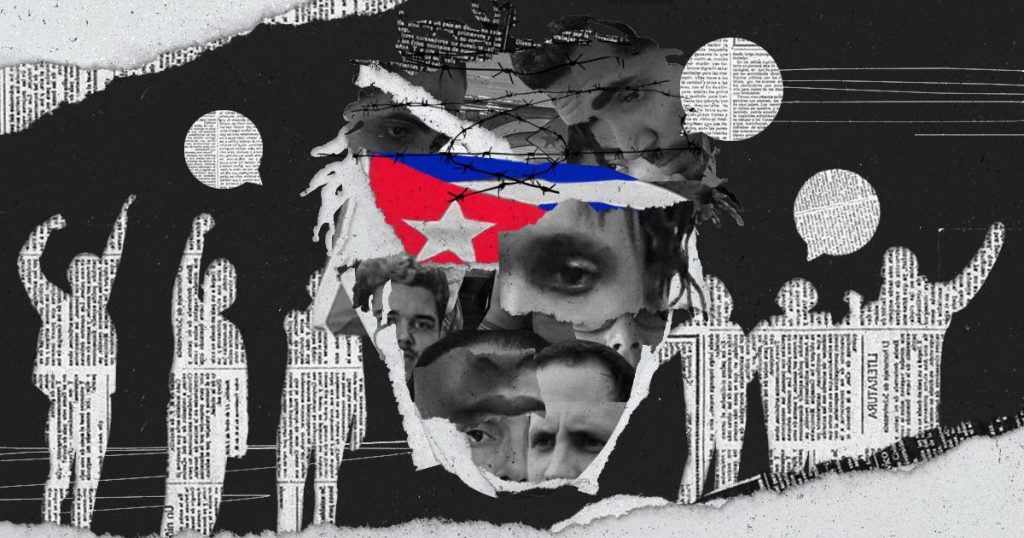
Las organizaciones de la sociedad civil internacionales y cubanas, medios de comunicación independientes de Cuba y activistas y ciudadanos abajo firmantes condenamos el acoso, la violencia policial, las violaciones a derechos humanos y los hechos represivos perpetrados por autoridades cubanas contra artistas, periodistas y actores de la sociedad civil independiente, en el marco de las […] Leer más
13 October, 2020
Nos preocupa profundamente la decisión de otorgarle a Cuba una nueva oportunidad para ocupar un puesto en el Consejo de Derechos Humanos. Esto no sólo recompensa el pobre historial de Cuba en materia de derechos humanos, sino que también socava la integridad del Consejo para responsabilizar a los gobiernos abusivos por sus acciones en la […] Leer más
8 October, 2020
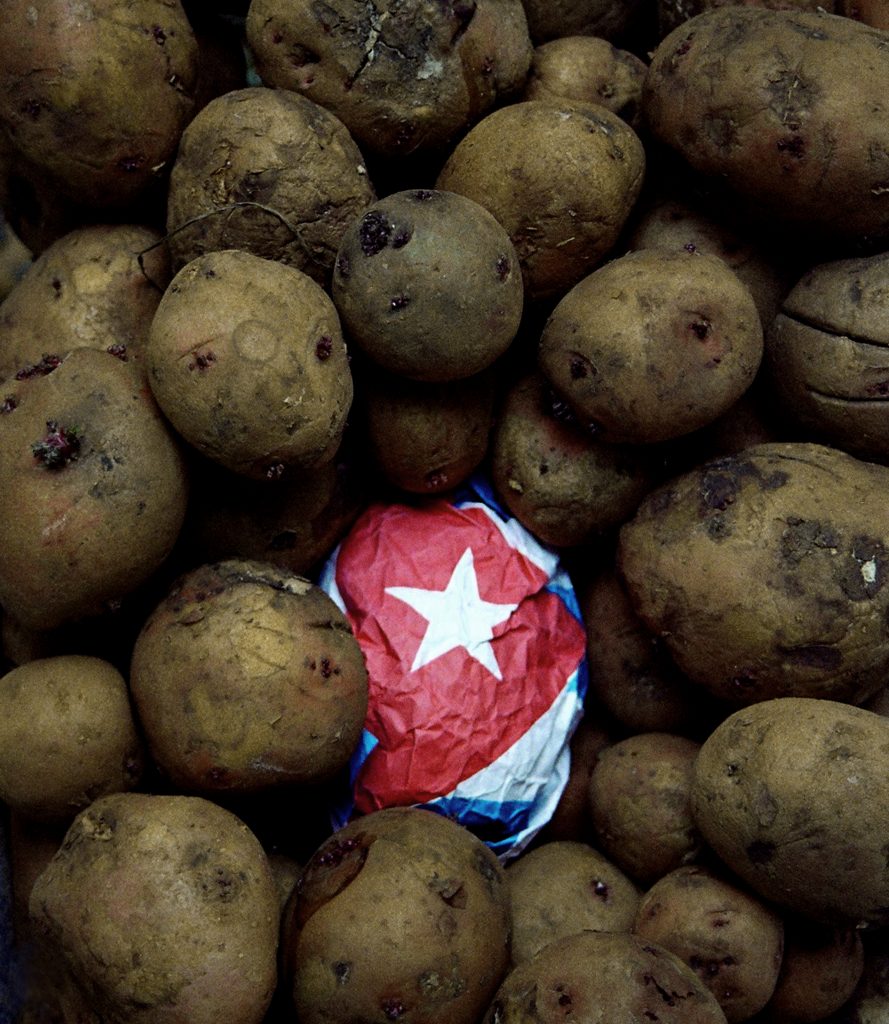
La situación económica de cada cubano (de a pie) es crítica, la mayoría afectados por bajos salarios e incluso desempleo, existen muchas personas de escasos recursos, con crítica situación de desamparo estatal y con padecimientos carentes de tratamiento. La situación del Covid-19 en Cuba es preocupante. Aunque la mayoría de los casos están concentrados en […] Leer más
23 September, 2020
En respuesta a los actos de intimidación y violencia cometidos de forma ininterrumpida durante los últimos dos meses por las autoridades cubanas contra miembros de la organización disidente Unión Patriótica de Cuba (UNPACU), su líder José Daniel Ferrer, y sus familiares, más de treinta organizaciones cubanas e internacionales de derechos humanos emitieron la siguiente declaración: […] Leer más
3 September, 2020
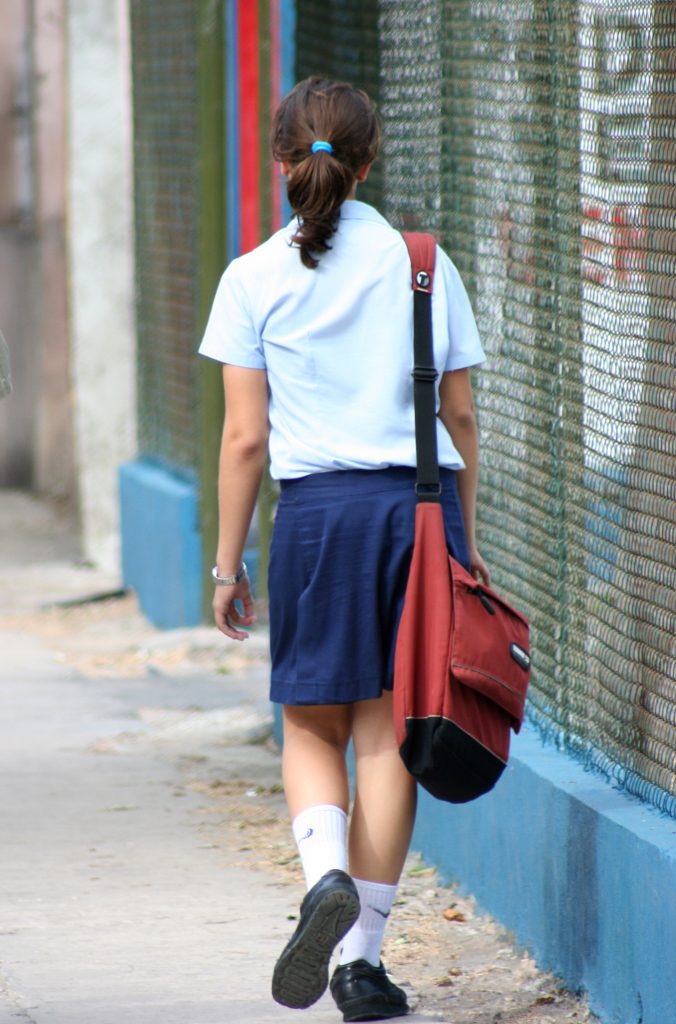
La llegada de septiembre resulta agobiante en la mayoría de los casos para padres y alumnos, teniendo que inventar una nueva estrategia para que, sencillamente, sus hijos puedan estudiar. Cuando se acerca el curso escolar, la fila de padres para alcanzar el papel del uniforme en las escuelas es enorme, lo peor del caso es […] Leer más
12 August, 2020
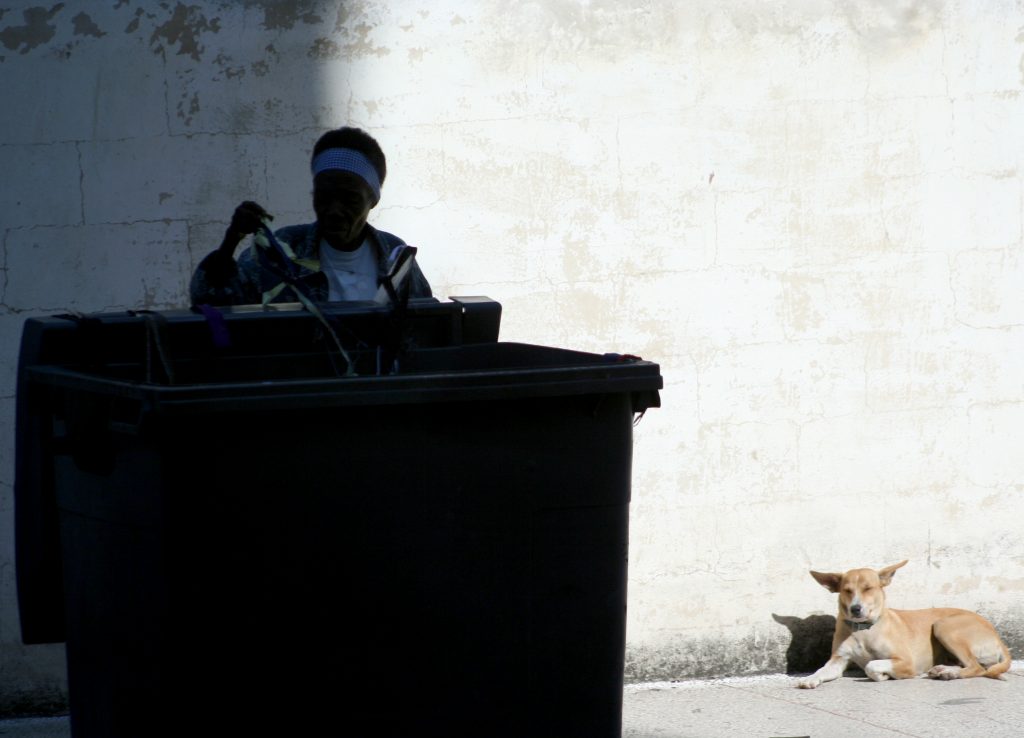
Aún no puedo evitar mi dolor cuando veo y escucho estas historias, son mujeres cubanas, seres humanos que apuestan por vivir y tratan de tomar lo mejor que la vida les ofrece, o quizás la única opción. Adelfa se sube los espejuelos mientras me observa de arriba abajo, estoy parada en […] Leer más
20 July, 2020
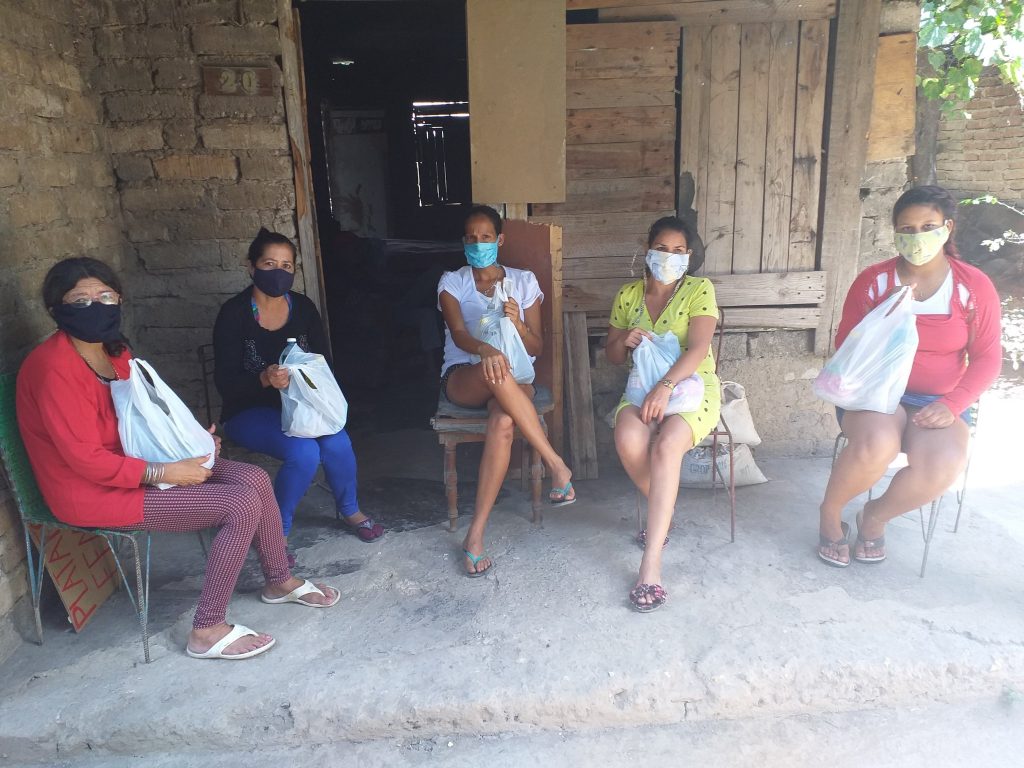
Zuleidys Pérez se encuentra en el oriente de Cuba y lleva a cabo iniciativas de apoyo y empoderamiento de las mujeres de su comunidad de forma independiente. Una gran parte del mundo está haciendo frente a la fatídica pandemia del COVID-19, que va dejando un gran saldo de muertes, y para ello los diferentes […] Leer más

20 July, 2020
Joven médico cubano y activista LGTBIQ de la ciudad de Cienfuegos. En 2016 emigró a España, donde sigue residiendo hoy en la ciudad de Madrid. Allí vive con su pareja y (desde hace poco) ejerce por fin la medicina. La pandemia de COVID-19 ha traído momentos duros para toda la población mundial, y así ha […] Leer más
17 July, 2020
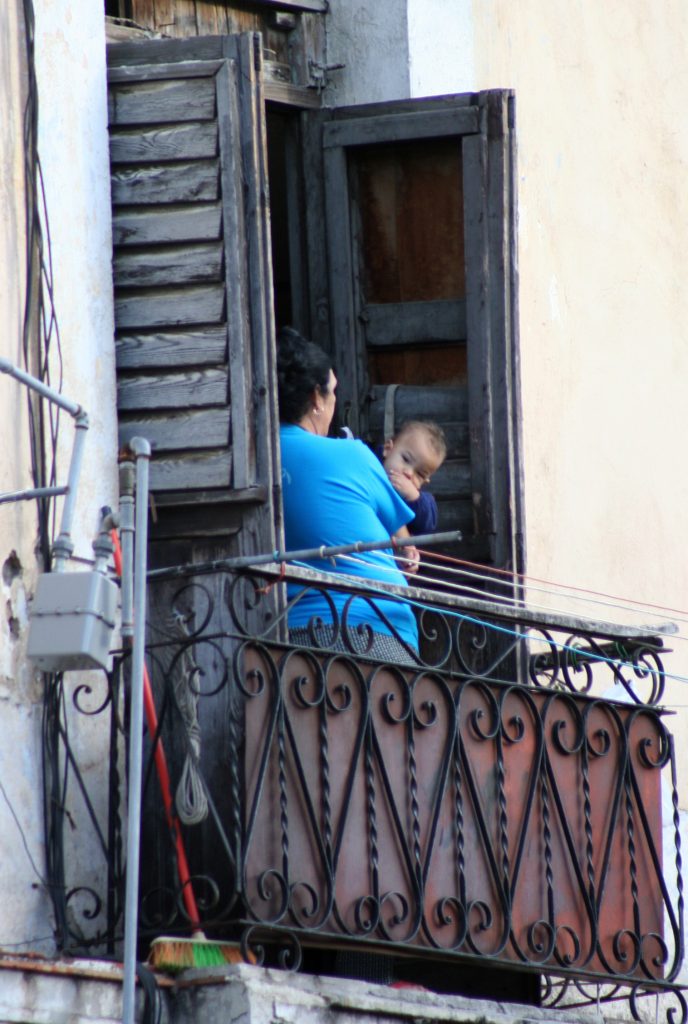
Simonne paseó por La Habana para preguntar la situación de algunas mujeres de la zona y de personas que trabajaban en actividades relacionadas con el turismo. “El cierre de frontera y la baja inmediata del turismo ha sido un desastre para nuestros bolsillos, por suerte, solicité la suspensión temporal de la licencia” -me cuenta Odalis, […] Leer más
17 July, 2020
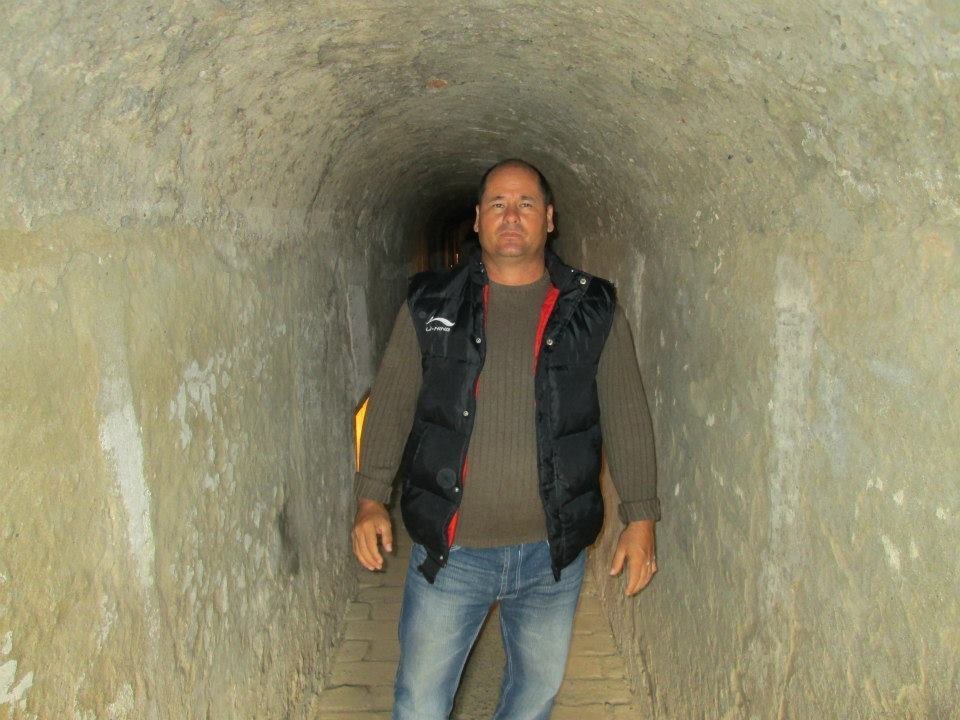
Marlon Martorell y su esposa Kenia viajaron de Cuba a Centroamérica con la intención de reunirse con su familia en Estados Unidos, debido al constante acoso sufrido por parte de las autoridades por su trabajo con opositores políticos y defensores de los derechos humanos. Actualmente se encuentran en la frontera entre México y Estados Unidos, […] Leer más
17 July, 2020
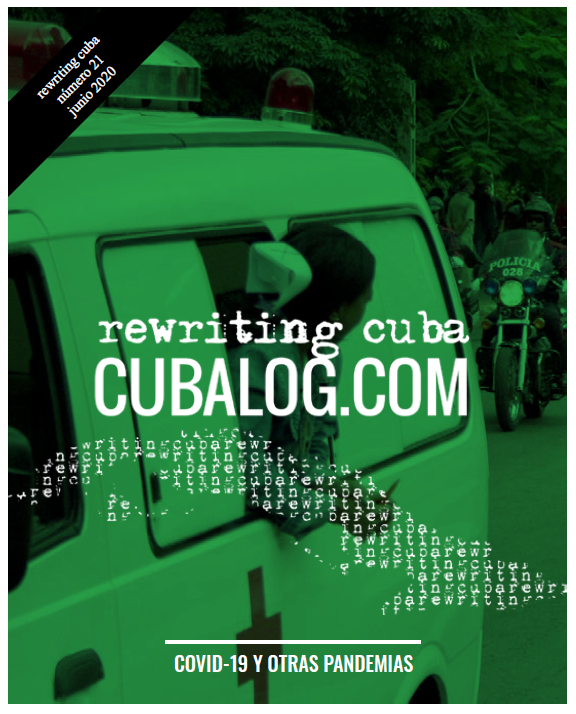
Descarga aquí el boletin completo. La pandemia mundial de coronavirus ha sorprendido al mundo y ha provocado reacciones dispares en los diferentes países. Algunos tuvieron más tiempo de reaccionar al llegar más tarde a su territorio, pero,en cualquier caso, poco se sabía acerca del virus. Cuba parece estar llevando relativamente bien el control del virus […] Leer más
3 July, 2020
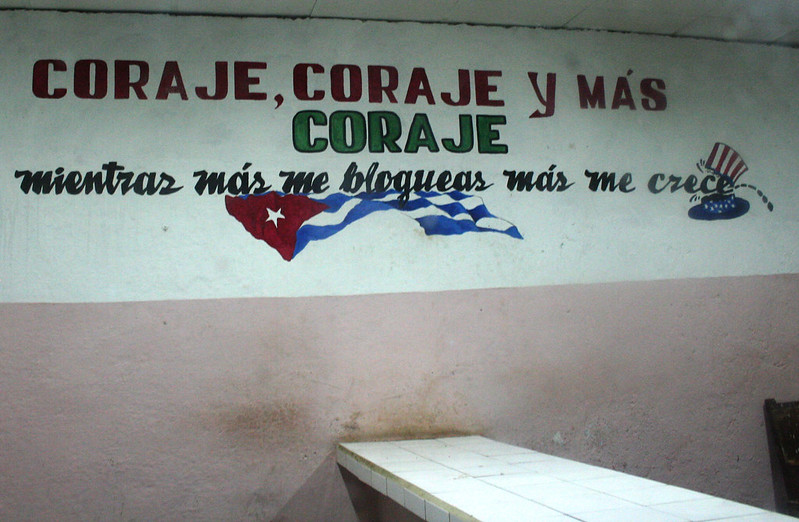
En Cuba la crisis existía mucho antes del inicio de la pandemia, meses atrás una cubana relataba: ¿Qué trabajo necesita tener un cubano para alcanzar la decencia soñada? Ese trabajo en Cuba no existe. Los cubanos ya hemos comprendido que no somos un país que “maneja solo”, como muchos dicen, yo diría sencillamente que ni […] Leer más
15 June, 2020
People in Need firmó un comunicado conjunto entre organizaciones y medios de comunicación en el que se hace un llamado a la protección de los derechos humanos y se exige al Gobierno cubano que inmediatamente ponga fin a la vigilancia que realiza en internet a las personas que expresan sus opiniones en redes sociales o […] Leer más
9 June, 2020
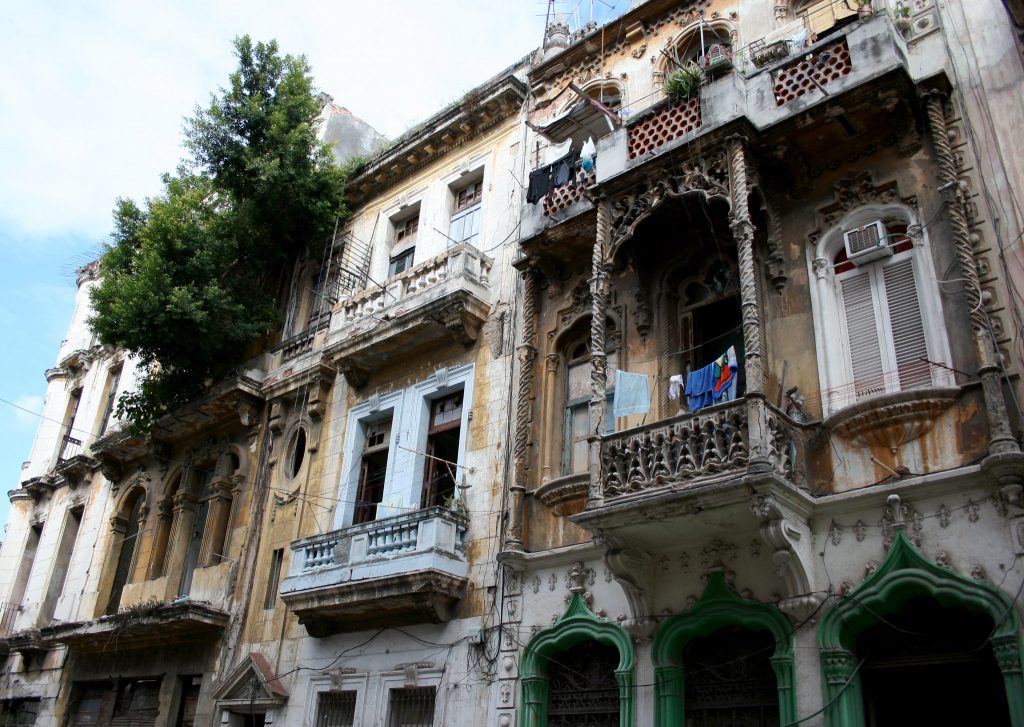
«En Cuba, puedes tener el mejor de los empleos, ser un profesional, tener el mejor de los salarios, no tener problemas de alcoholismo ni de ningún otro vicio y, sin embargo, no contar con una vivienda propia ni segura» Tal vez no existe un acontecimiento que evidencie más la necesidad de contar con una […] Leer más

20 May, 2020
Fernando es transexual y su nombre para todos los que lo conocen es Malena […] los jefes la obligan a vestir como hombre y le dicen que, si no se presenta «correctamente vestida», de acuerdo al sexo que le fue asignado al nacer, no podrá trabajar allí Fernando estudió enfermería y continuó hasta […] Leer más
4 April, 2020
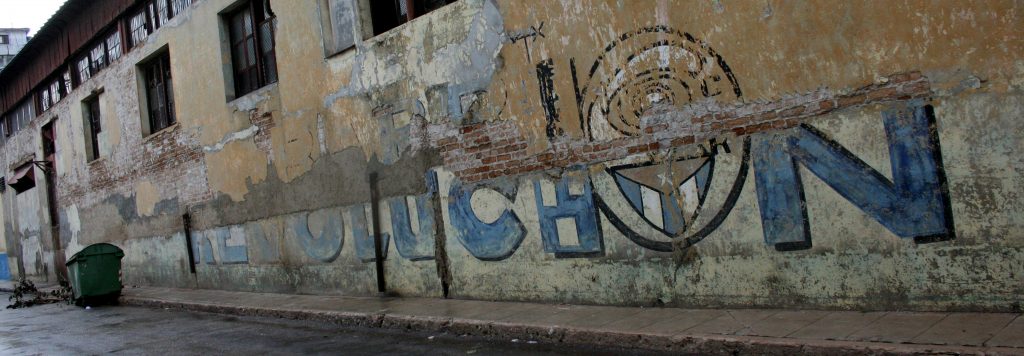
Cuando hablamos de cinismo, desprecio, ironía y burla, a la mayoría de los cubanos nos viene a la cabeza la ya acostumbrada forma de reaccionar de la impopular legión en cada organismo gubernamental de la isla. Cuando vives en Cuba y te acontece alguna desgracia, ya sabes que tienes que estar preparado para que te […] Leer más
11 March, 2020
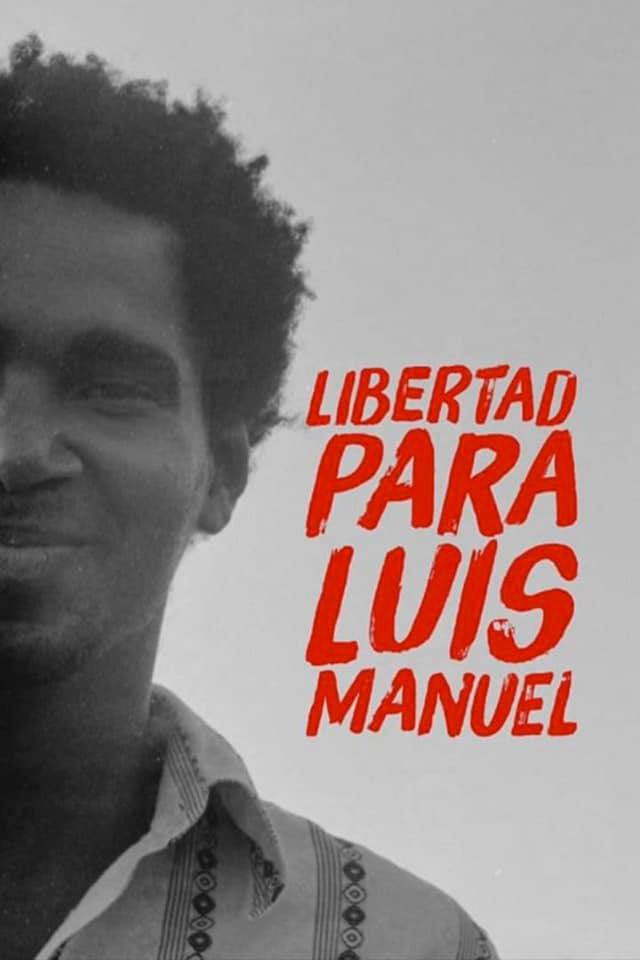
Desde que el Decreto 349/2018 fue sancionado por el gobierno cubano, los artistas independientes han asumido un papel de liderazgo, a través de acciones pacíficas y valientes, en su oposición a la censura y en la demanda de libertad de expresión artística. El Decreto 349/2018 establece contravenciones en la prestación de servicios artísticos que no […] Leer más

4 March, 2020
La situación de los derechos humanos en 2019 ha empeorado respecto a los años anteriores. Si bien en 2018 hubo un empeoramiento drástico, en 2019 esta tendencia a continuado e incluso empeorado. Los derechos civiles y políticos son los peor parados, primando las detenciones arbitrarias y aumentando el número de personas a las que […] Leer más
25 February, 2020
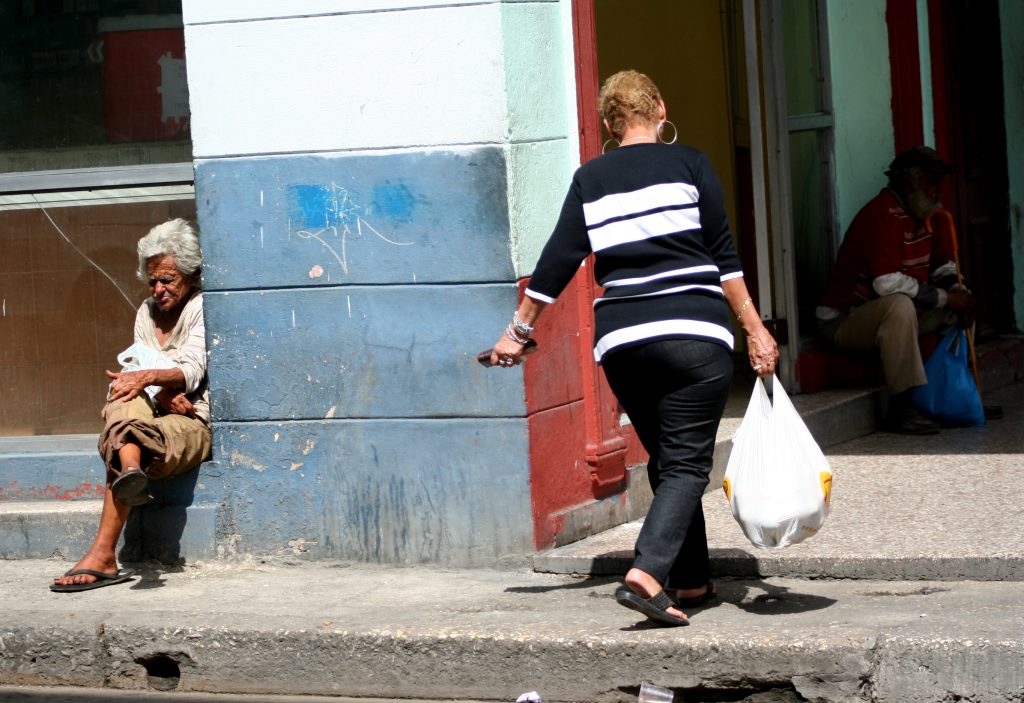
Nunca vas a sentir la presión del demasiado, donde todo es tan poco que no tienes mucha tela por donde cortar. Pues nada, que como ya es costumbre y realidad en Cuba, el hecho es desvestir un santo para vestir otro. Hacer compras en Cuba no es lo más estresante del mundo si llevas […] Leer más
17 January, 2020
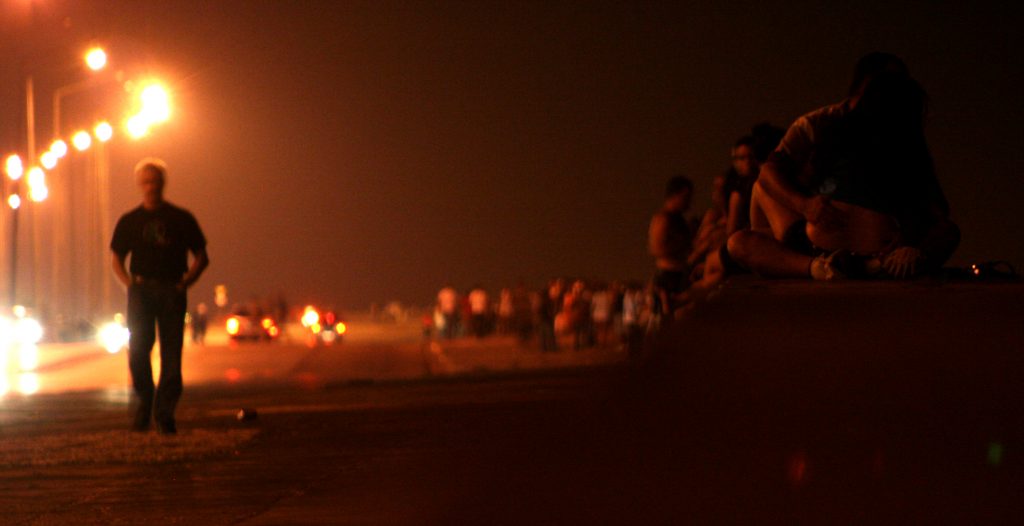
Prostitución es la realización de actos sexuales con fines lucrativos. En términos legales la palabra prostituta se refiere solo a aquella persona que participa de una transacción económico-sexual, por lo general a cambio de una remuneración acordada. La prostitución en Cuba siempre ha generado un debate interno que no se ha querido ir más allá […] Leer más
17 January, 2020
En la Provincia de Holguín existen varias comunidades en las que la población cuenta con pocos recursos y no existe la más mínima posibilidad de acceder a recursos técnicos o financieros. Las de peores condiciones son conocidas como La Chomba, al norte de la provincia en el Reparto Alcides Pinos, y La Fornet, situada al […] Leer más
17 January, 2020
Cuando me pidió un encendedor, sin apenas pedir permiso y mucho menos desearme las buenas tardes, me quedé observándola, tratando de descifrar su edad sin atreverme a pensar siquiera que se trataba de una chica de unos diecisiete años. Traté de llegar a ella con una sonrisa que más parecía una mueca de dolor – […] Leer más
17 January, 2020
Los estereotipos de género juegan un papel ideológico importante que afecta el comportamiento de hombres y mujeres. Tradicionalmente, las mujeres latinoamericanas han sido encerradas en el estereotipo de ser voluptuosas, provocativas y objetos sexuales más que sujetos con decisión propia y derechos. La abundante presencia de prostitución en la región de Latinoamérica y el […] Leer más
2 August, 2019
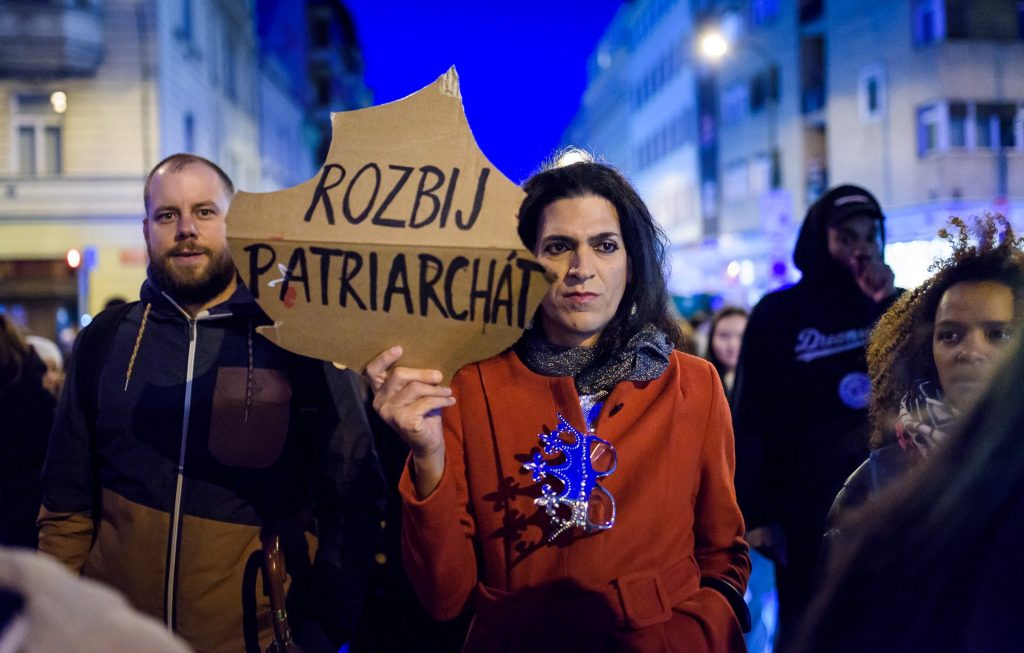
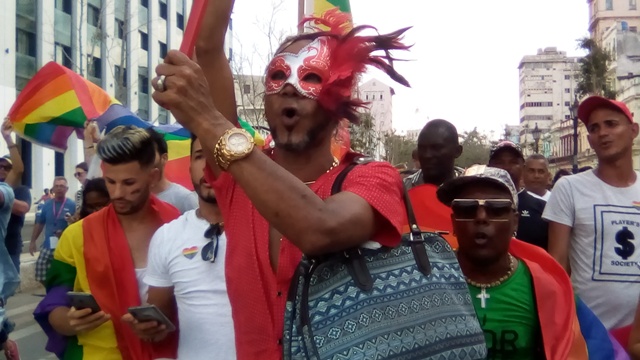
El 8 de marzo. día internacional de la mujer. del año 2019, tuve la posibilidad de formar parte de una marcha realizada en República Checa. Era la primera vez que lo hacía por una causa realmente justa, la experiencia fue intensa. Allí pude corroborar que cada persona era libre de decir y actuar […] Leer más
2 August, 2019
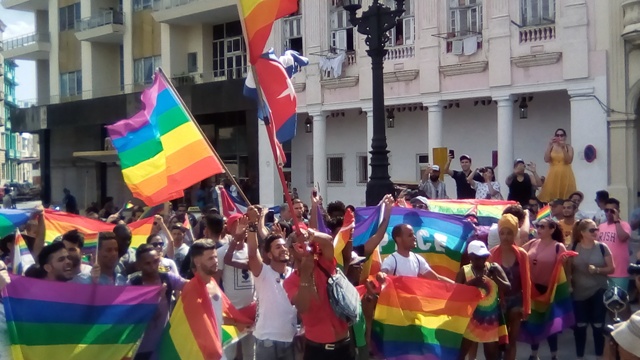
Participar en una Marcha en Cuba como la del No al Maltrato Animal o las del LGTBIQ, celebradas recientemente, conllevó cuestionarme cuánto ponía en juego mi vida social y hasta mi propia integridad. Después de tantos años de la supuesta normalidad cubana -es decir, de que casi todas las relaciones sociales son propuestas y […] Leer más
2 August, 2019
El poder salir a manifestarse para mí significa que todos los hombres y mujeres que aman la libertad tengan el derecho de cambiar los aspectos más injustos de la sociedad, pero en Cuba no podemos ocupar nuestras calles, pues no están declaradas libres para que marchemos y reclamemos nuestros derechos. Las marchas, si no […] Leer más

2 August, 2019
El empoderamiento de los sin voz, el incremento del sentimiento de pertenencia y la transformación del poder de la gente en acciones, eso es lo que representa la participación ciudadana en democracia, pero principalmente, en Cuba, representa los efectos a largo plazo que tendrán las dos protestas llevadas a cabo recientemente en la […] Leer más
20 February, 2019
People in Need presenta su informe sobre la represión psicológica en Cuba, una recopilación de historias personales de gente que vive bajo un régimen autoritario y los efectos psicológicos que enfrentan. El informe se basa en casos concretos e historias de sus vidas, recopiladas durante meses a partir de entrevistas con personas dentro de […] Leer más
6 February, 2019
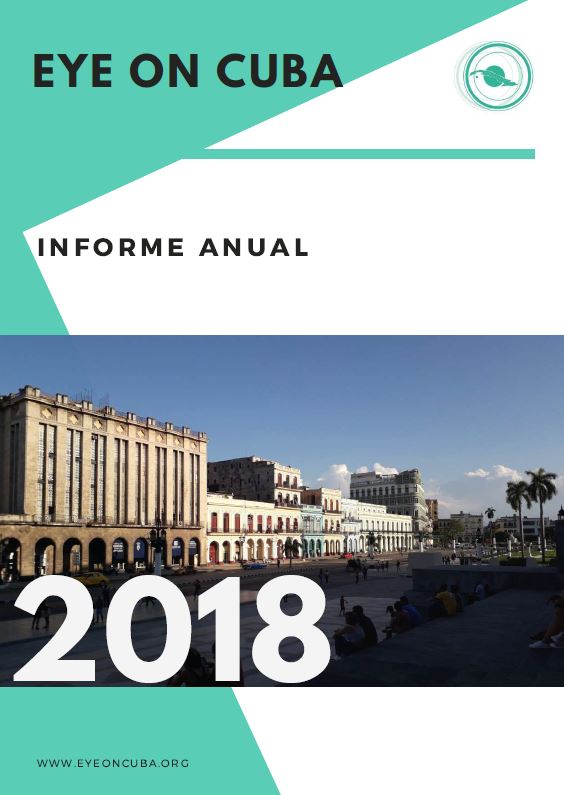
Descarga el informe anual de la plataforma Eye on Cuba de 2018: Descárgalo aquí Leer más
19 December, 2018
La verdad es que no se qué relato de mi vida contar sobre represión psicológica, puesto que desde que comencé a interesarme por nuestros derechos y cómo hacerlos valer, comenzaron a llamarme contrarrevolucionaria y a hacerme la vida imposible. Ellos comienzan a hacerte la guerra desde dentro de la propia familia, utilizan a las personas […] Leer más
19 December, 2018
Comencé a experimentar la represión el día que mi padre me gritó a la cara: «Si es necesario mataremos, pero ustedes no triunfaran, no lo podemos permitir». Mi padre es profesor de Ciencias Sociales y Master en Desarrollo Cultural, y pertenece al Partido Comunista de Cuba, en el que cree ciegamente. Nunca utilizó la violencia […] Leer más

19 December, 2018
Todo comenzó con varias personas que dejaron de responder a nuestro saludo, después nos miraban con odio y en silencio. Otros reían a carcajadas y decían que estábamos locos, que nuestro salario era bajo y que íbamos a tener que irnos para el extranjero. A continuación (algunas personas) empezaron a gritarnos sinvergüenzas, bandidos, mercenarios y […] Leer más
19 December, 2018
Cuba, su gobierno, proyecta al mundo la imagen de que su principal razón de estado se origina en una situación de violencia permanente como víctima debajo del todopoderoso enemigo que son los Estados Unidos. Imagen que suele provocar simpatías a nivel internacional y justificaciones ante las arbitrariedades y las faltas de derechos que sufren los […] Leer más

19 December, 2018
La represión en Cuba funciona de una manera que a veces no es fácil de entender para las personas que no están en contacto directo con ella o con la gente que la sufre. Cuba ha conseguido crearse una imagen internacional de país social, preocupado por la vida de las personas. Ha promocionado de manera […] Leer más
14 December, 2018
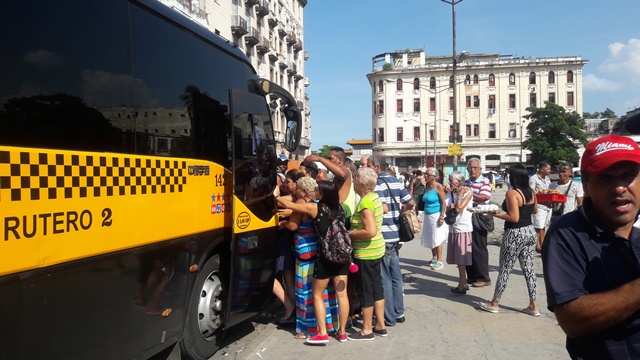
Elvira tiene 80 años y reside en el barrio Romerillo del municipio Playa. Dos veces por semana visita a su hija en Centro Habana y cuenta que es una contienda lidiar con el transporte público. “Mi hija trabaja en su casa cuidando niños. Tengo que llevarle los mandados de la bodega porque Vivienda Municipal no […] Leer más
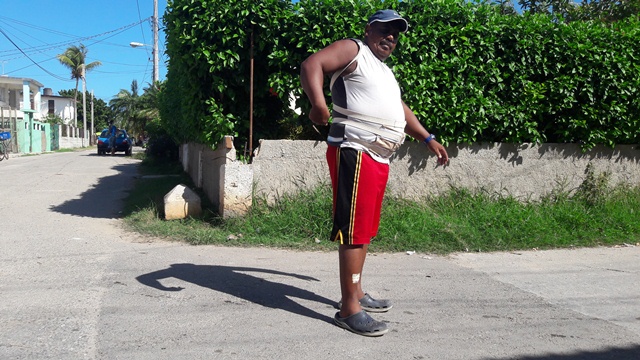
7 December, 2018
Por más de cincuenta años el socialismo prohibió en Cuba los trabajos particulares. Cuando en 2013 finalmente fueron autorizados se inició un camino de total indefensión en relación a las personas que los realizan. La primera carencia es jurídica. No existen leyes que regulen la gestión privada ni bufetes de abogados con asesoría legislativa. Por el […] Leer más
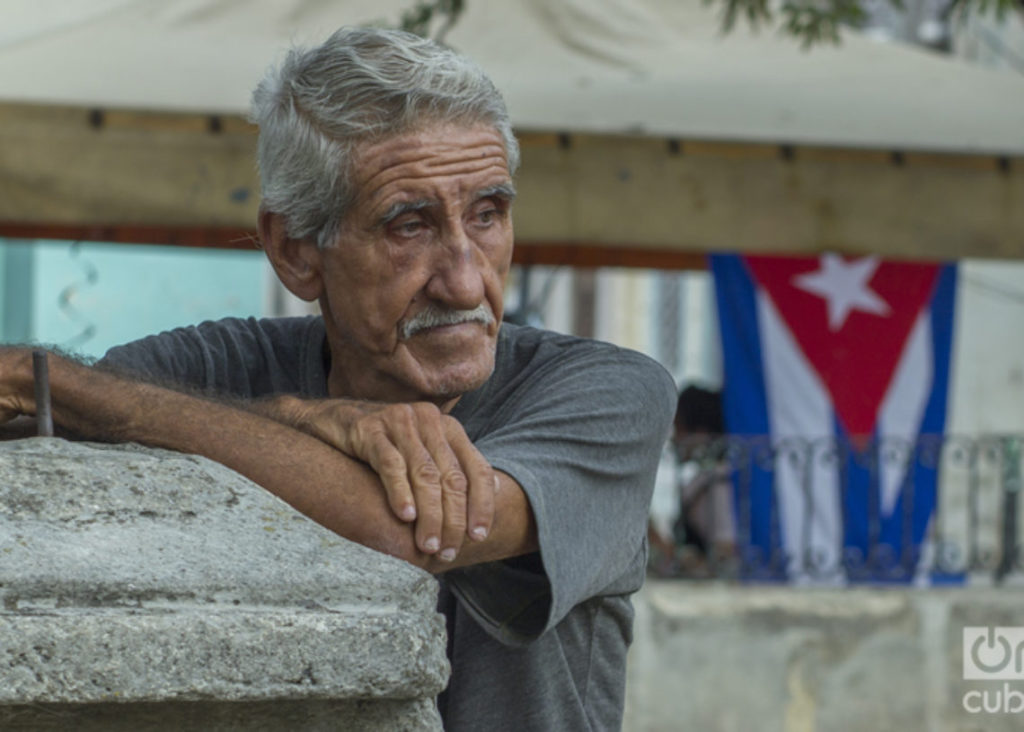
30 November, 2018
Una de las poblaciones con más porcentaje de ancianos del planeta se encuentra en Cuba. A pesar de los anuncios revolucionarios sobre su atención, este sector es uno de los más desfavorecidos de la Isla. El dato se puede comprobar con sólo echar un vistazo a la calle y a las colas para comprar alimentos, productos […] Leer más
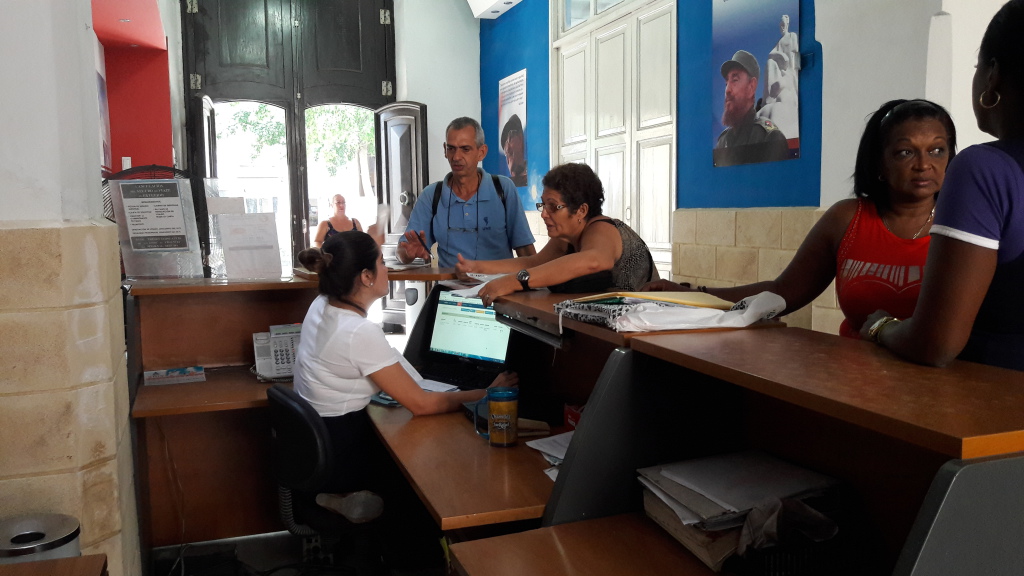
21 November, 2018
Williams, custodio de almacén de una fábrica de cerveza, tiene su expediente laboral en la mano. Lo muestra con aires de triunfo porque, luego de cinco angustiosos meses yendo y viniendo, acaba de recogerlo definitivamente del departamento de Recursos Humanos de la empresa. “Fue una odisea lo que pasé para que me dieran el expediente. Me […] Leer más
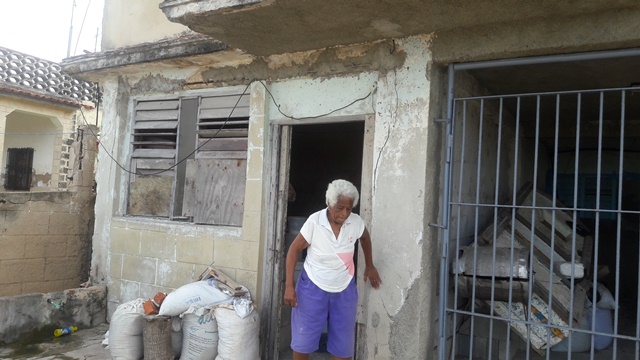
15 November, 2018
“Todo es mentira. El Estado no protege a los damnificados”, dice la octogenaria Reina Ester de la Cruz Ramos, residente del municipio de Santa Fe, al noroeste de La Habana. Parada frente a su vivienda, la anciana muestra la pequeña sala, llena de tarecos y algunos sacos de arena y cemento comprados a sobreprecio. Entre […] Leer más
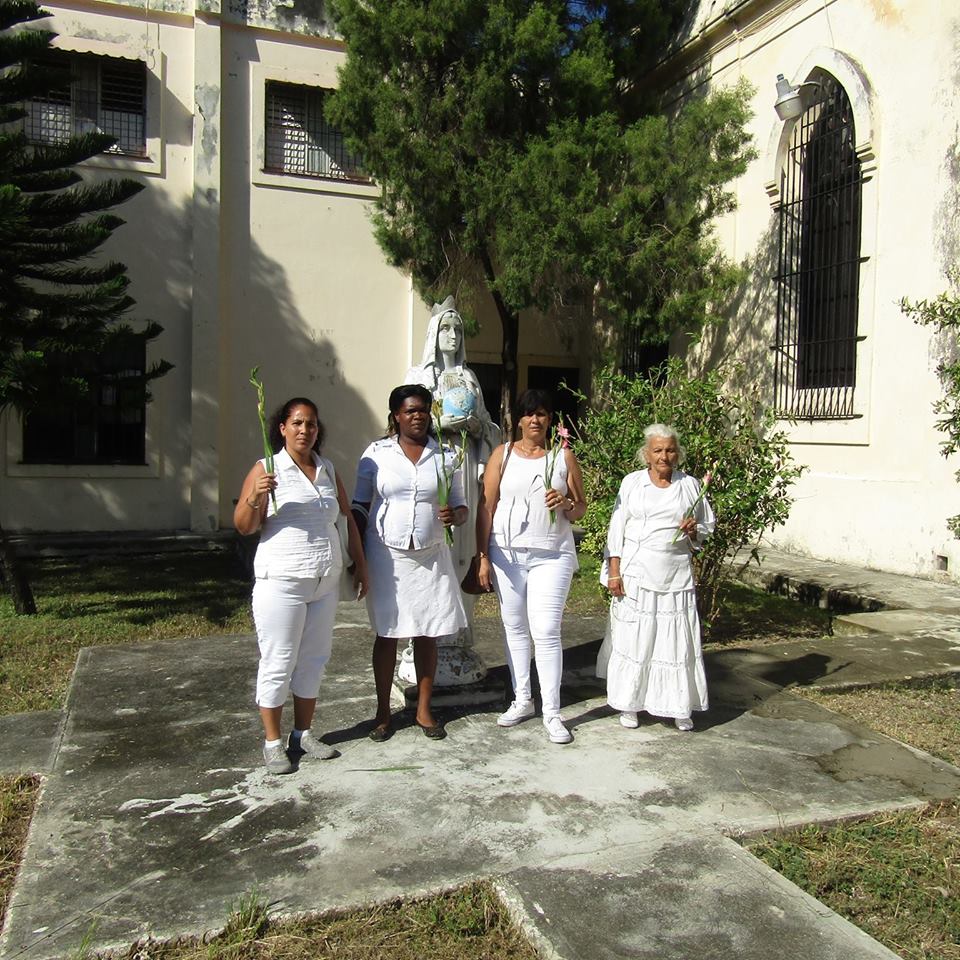
11 November, 2018
En octubre de 1958, la ciudad de Palma Soriano cayó en manos de las tropas rebeldes comandadas por Fidel Castro, quien la declaró ese día la primera capital de la Revolución. Hoy, tal vez sea quien más opositores cuente contra al régimen comunista. Conversamos con Denia Fernández Rey, representante del grupo opositor Hermanas de Blanco en […] Leer más
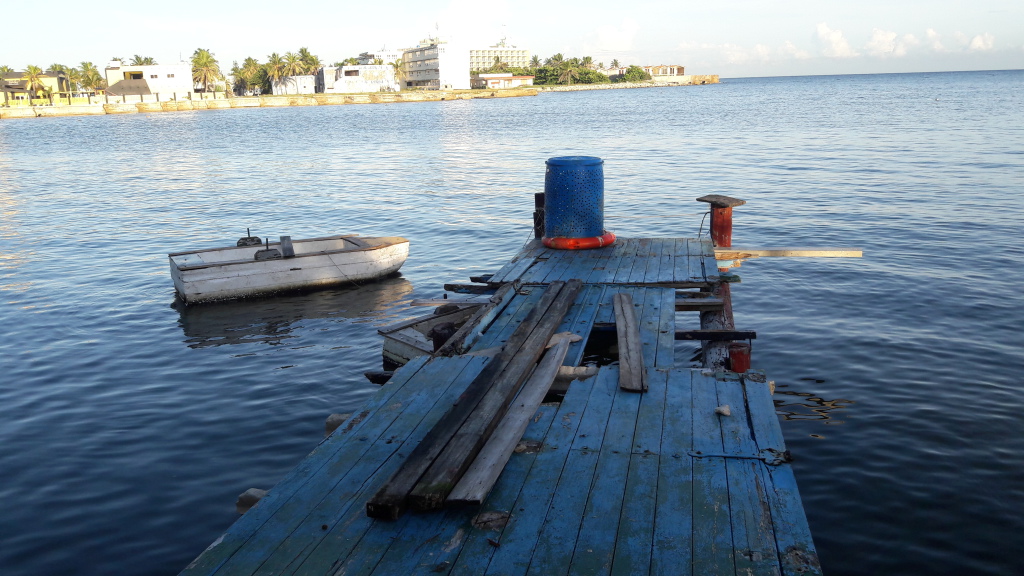
30 October, 2018
Joaquinito Bustamante, desciende de una familia de Jaimanitas que siempre ha vivido del mar, dice que, en las últimas semanas, con la nueva arremetida contra los pescadores, han quedado sin sustento muchas familias. Pese a esto, muchas de ellas tienen miedo de hablar y denunciar el hostigamiento del que son víctimas. “Pero yo no tengo […] Leer más
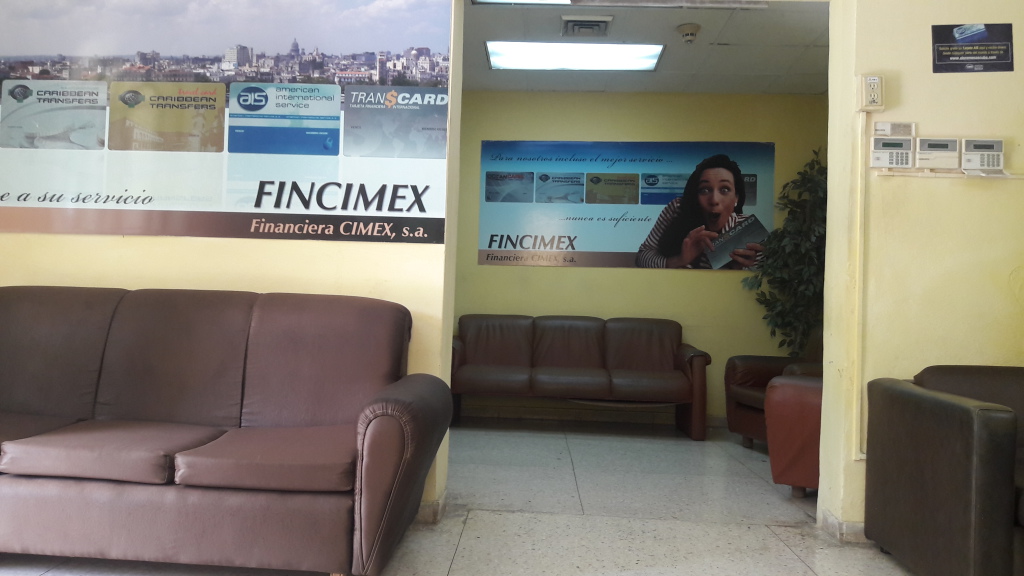
24 October, 2018
“Es verdaderamente inaudito”, se queja Ernesta, residente en la barriada de Lawton, quien llega a la agencia Fincimex de Miramar a indagar por su dinero. Cuenta Ernesta que ha visitado el sitio varias veces esta semana, esperando que le confirmen la llegada de un dinero enviado por su hermano radicado en Suiza. “La dichosa transacción […] Leer más
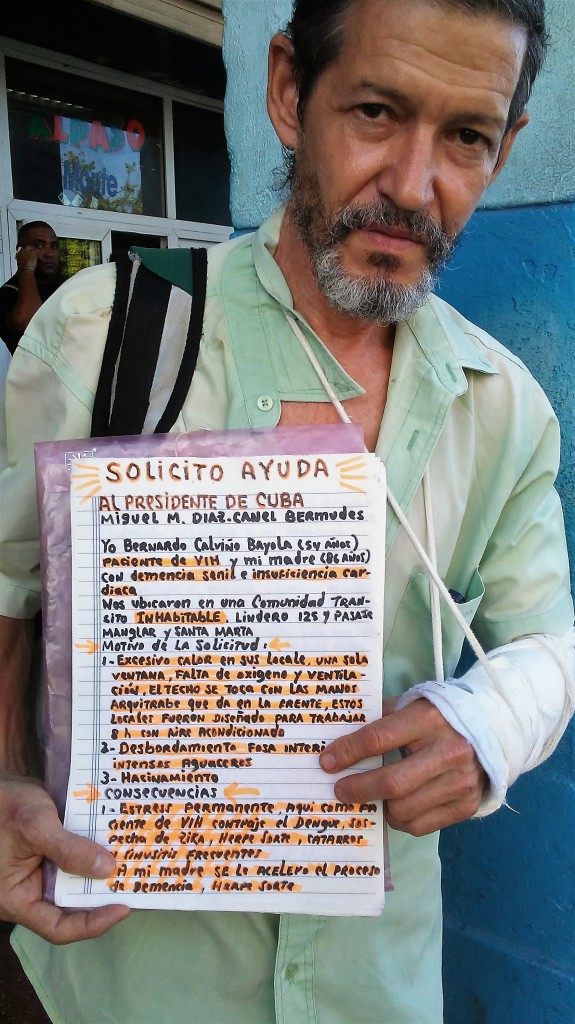
17 October, 2018
El ciudadano Bernardo Calvino Bayola fue detenido hace algunas semanas al pasearse con un cartel por la Habana Vieja pidiendo ayuda al presidente de la República de Cuba, Miguel Mario Díaz Canel. Bernardo es paciente VIH y vive con su mamá en una comunidad de tránsito en la calle Lindero nro. 121. Los motivos de su protesta son más de […] Leer más
12 October, 2018
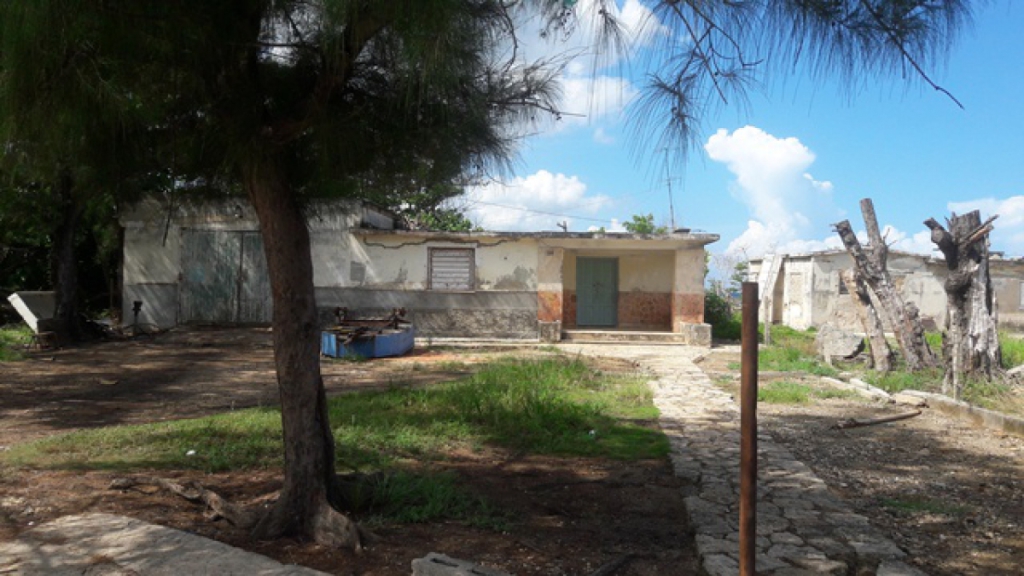
En la madrugada del 28 de septiembre, en el reparto El Bajo de la localidad de Santa Fe, municipio Playa, fueron asaltados dos ancianos que habitaban una vivienda en la calle Primera y 310. Sus cuerpos fueron encontrados por Romelia Zaldívar, vecina que los ayudaba en las labores hogareñas. “La escena era horrorosa», dijo. «Teresa estaba degollada […] Leer más
7 October, 2018
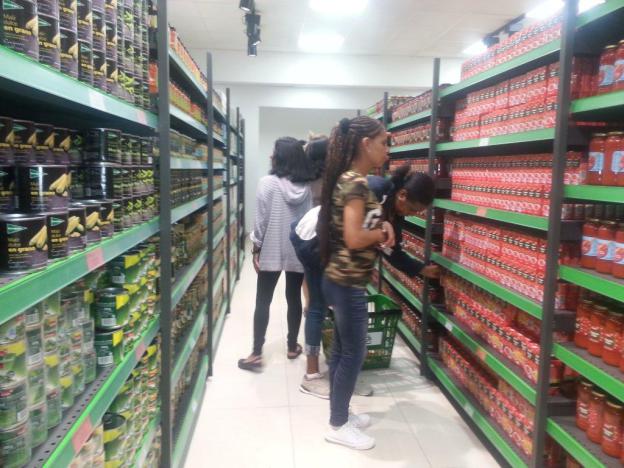
Un camión cargado de manzanas destinado a los negocios de particulares fue detenido hace poco en la tienda La Puntilla de Miramar, provocando medidas disciplinarias y cautelares a los trabajadores del establecimiento habanero. No siendo suficiente, trajo consigo además el anuncio de racionalización en la venta de 48 productos. Diario de Cuba se trasladó hasta el lugar para […] Leer más
12 September, 2018
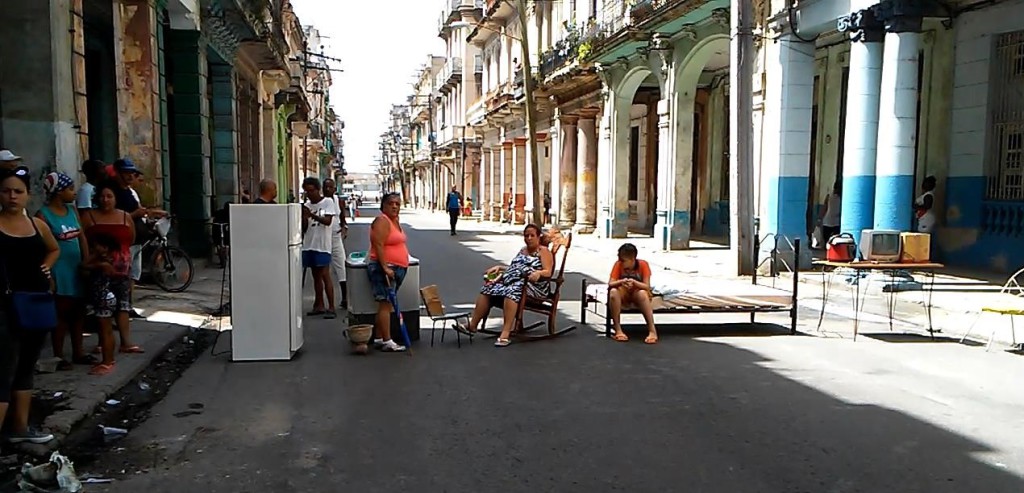
No hace mucho, una familia habanera cerró la calle con sus pertenencias a modo de protesta porque, luego de muchos reclamos e intentos por parte de sus miembros, el gobierno no ha hecho nada para ayudarlos. El motivo no es otro que un viejo conocido y recurrente: el edificio ha tenido varios derrumbes internos y […] Leer más
7 September, 2018
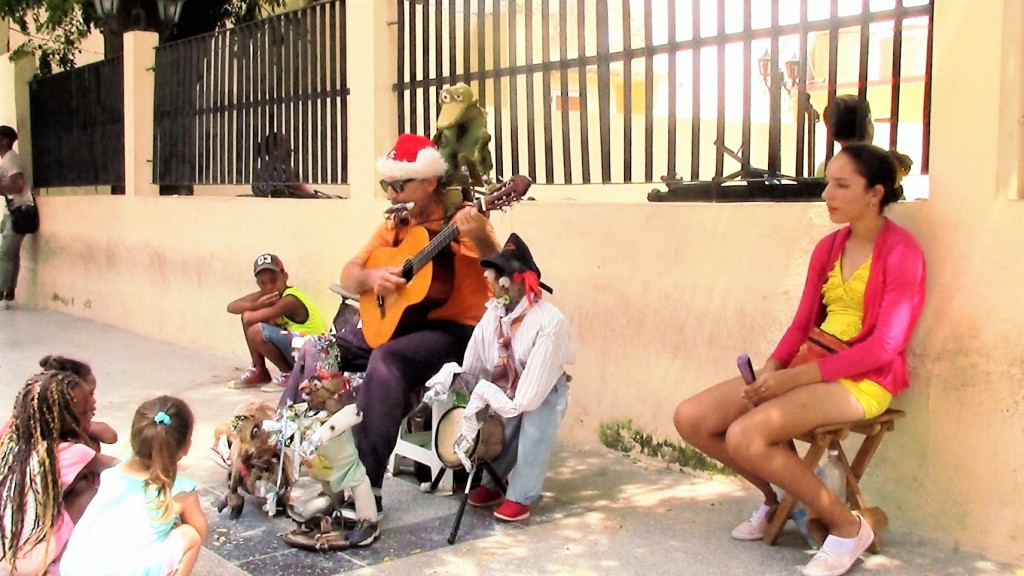
Hace algunos días la policía sancionó con una multa de 6000 pesos cubanos (225 CUC aproximadamente) a un músico ciego que, instalado en una de las tantas calles de La Habana Vieja, se gana la vida con su guitarra y sus muñecos. El señor Arsenio Peña Blanco, dice que ha denunciado la injusta reprimenda en […] Leer más
29 August, 2018
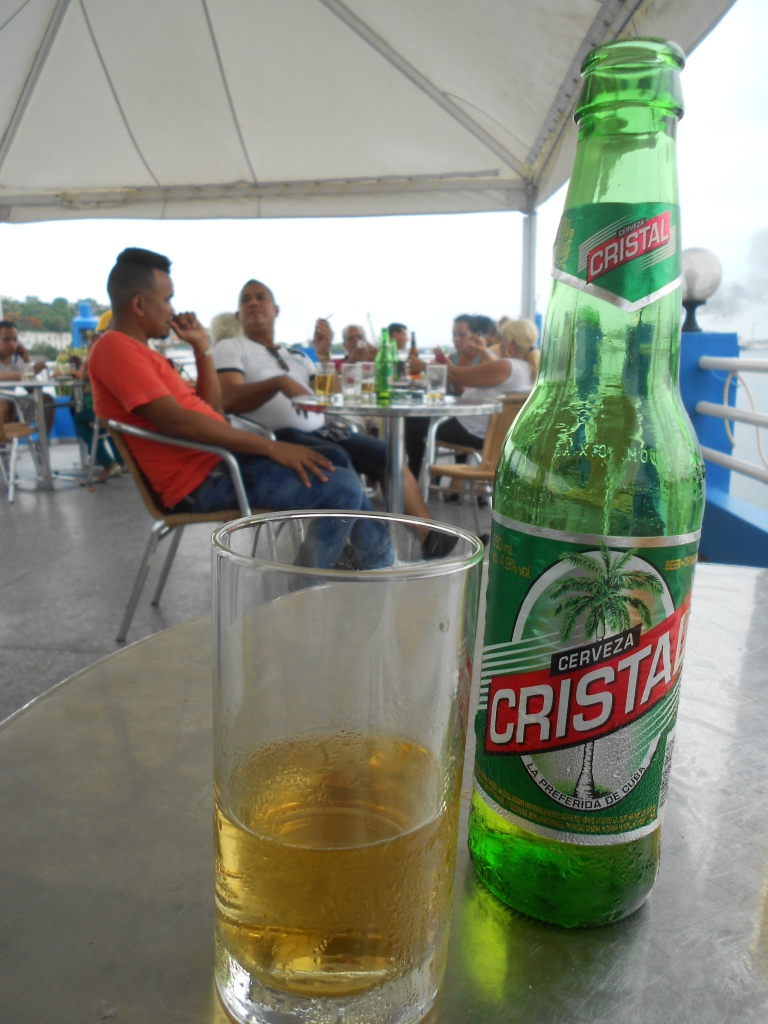
Ahora que el nuevo presidente de Cuba Miguel Díaz Canel ha instaurado la batalla por defender los derechos del consumidor, ¿sería posible que el gobierno revolucionario tomara nota del desastre existente en algunos rubros de servicios? En una visita al restaurante del Círculo Social Obrero Marcelo Salado, me senté junto a un trabajador retirado de […] Leer más
22 August, 2018
La ola represiva -nuestro tsunami político- llega a toda la sociedad cubana: científicos encarcelados entre la vida y la muerte, decenas de periodistas repetidamente detenidos, artistas que no pueden ejercer su derecho a una convocatoria, mujeres vestidas de blanco golpeadas por marchar con una flor en la mano como símbolo. La lista es interminable. El […] Leer más
12 August, 2018
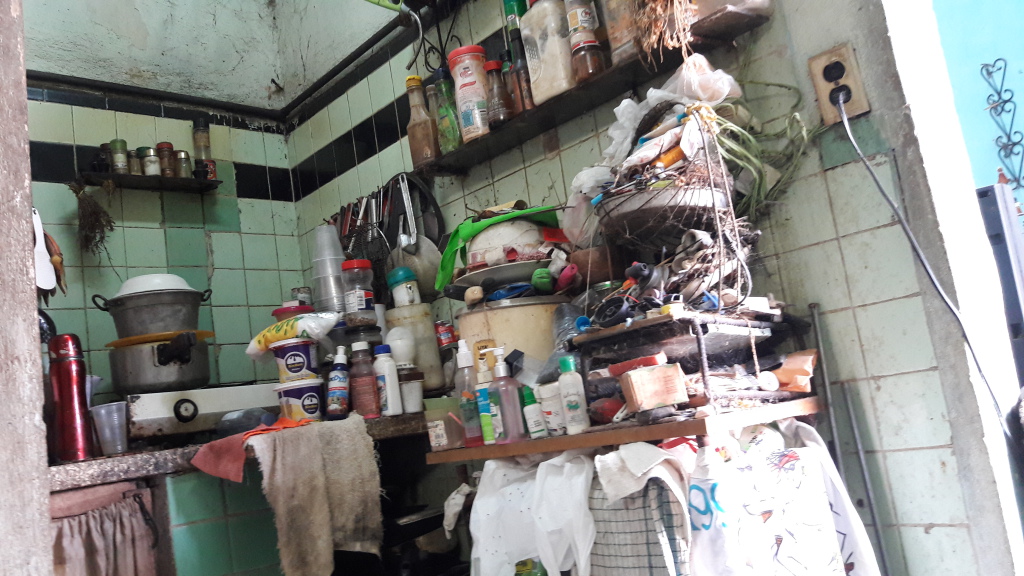
A solo a unos metros de la 5ta. avenida, muy cerca de la rotonda de Playa, se eleva Villa América, conocida como la más elegante de todas las posadas construidas en los alrededores del Coney Island, antes del triunfo de la revolución. Hasta el inicio de los años noventa, sus confortables cuartos se alquilaban para […] Leer más
7 August, 2018
Así es. Lectores y demás simpatizantes del blog Cartas desde Cuba avanzan en su empeño por apoyar a Fernando Ravsberg. El periodista, uruguayo, pero radicado hace 28 años en Cuba, convocó una colecta pública para financiar su proyecto que, en propias palabras, se propone “informar reflejando los colores y matices que existen en Cuba”. En […] Leer más
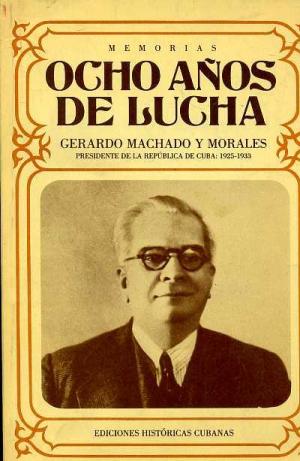
1 August, 2018
Pese a mencionar las grandes obras que se llevaron a cabo durante el gobierno de Gerardo Machado (1871-1939), como la edificación del Capitolio Nacional, la Carretera Central y el Malecón habanero, no es mi intensión referirme a ellas en profundidad. Tampoco tengo la intensión de referirme a las de Fidel. Lo que sí haré será abocarme de lleno […] Leer más
29 June, 2018
Febrero de 2018 fue visto por no pocas personas dentro y fuera de Cuba como la fecha señalada para el inicio de la transición política en la isla. El anuncio de la salida del poder de la denominada “generación histórica” fue entendido como punto de inflexión. Especialistas en ciencias políticas adelantaban que este proceso no […] Leer más
29 June, 2018
Como viejo jesuita que es, Raúl Castro organizó todo metódicamente. Tomó de su hermano el peso de “el símbolo” y —aprovechándose de esa fuerza semiológica— se nos regaló iconoclasta mientras prometía derrumbar tres de los grandes principios de la era Fidel: el igualitarismo social, el paternalismo gubernamental y el estatismo político y económico. En 2010, […] Leer más
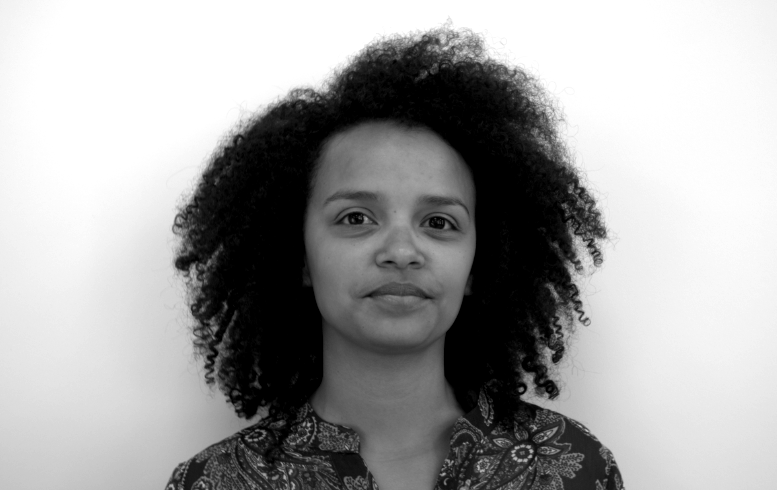
29 June, 2018
Cuando el gobierno cubano anunció que no habría Bienal en La Habana en 2018 por los gastos imprevistos que había supuesto el paso del huracán Irma, un grupo de jóvenes artistas se decidió a organizar su propia Bienal arternativa. A pesar del reto que suponía hacer un evento completamente independiente en un ámbito controlado por […] Leer más
29 June, 2018
En abril de este año Cuba dejó de apellidarse Castro. Por primera vez desde el triunfo de la Revolución, un hombre de otra familia ha ocupado el puesto de presidente del país. Sin embargo, las expectativas de cambio entre la gente de la isla son escasas. Quizás fue por su discurso de inauguración, en que […] Leer más
29 June, 2018
Steve Wakefield nació en Inglaterra y cuando se casó se fue a vivir a Australia. Acucioso investigador de la literatura cubana, vino a Cuba hace unos años al Congreso de Escritores cuya edición resultó en un homenaje a Carpentier de cuatro días. Mi esposo, que también fue invitado al evento, le ofreció hospedaje en nuestra casa para […] Leer más
25 June, 2018
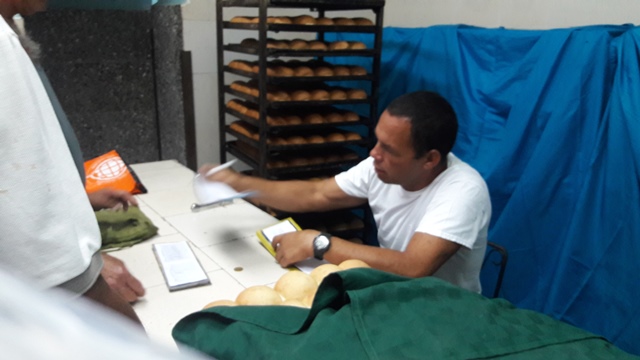
Un hombre sale con mal humor de la panadería. De su jaba extrae algo, lo muestra a la cola y pregunta: “¿Esto es un pan?”. En las últimas semanas la noticia más comentada en Cuba es la nueva resolución 64, la llamada Ley de Protección al Consumidor, que intenta frenar el maltrato y el robo […] Leer más
13 June, 2018
De Cuba se han ido los valientes, los emprendedores y los que nacen con iniciativa propia y son capaces de llevarlas a cabo. También, se han ido los que no se amedrentan en comenzar ganando cuatro kilos en un país muy distinto al suyo, con un idioma distinto. El exilio no es cosa de juego. […] Leer más
8 June, 2018
La realidad cubana es una y muchas al mismo tiempo, así que nada mejor que conocerla a partir de sus propios protagonistas… anónimos, por ahora. En esta sección de entrevistas, iremos explorando diferentes proyectos sobre Derechos Humanos y desarrollo que se encuentran actualmente en marcha en la isla. Hoy, nuestro tópico será la discriminación racial en la Isla, un problema […] Leer más
23 May, 2018
Es por todos los santafesinos conocido que las elecciones han servido por varias décadas para mantener, lo más que se pueda, una dictadura comunista fracasada, ineficaz y ridícula. En relación a las últimas que se han llevado a cabo no hace mucho, todo parece indicar que lo que nos espera es, nada más ni nada menos, que un […] Leer más
17 May, 2018
La realidad cubana es una y muchas al mismo tiempo, así que nada mejor que conocerla a partir de sus propios protagonistas… anónimos, por ahora. En esta sección de entrevistas, iremos explorando diferentes proyectos sobre Derechos Humanos y desarrollo que se encuentran actualmente en marcha en la isla. Hoy, nuestro tópico será la protección animal, un tema por demás […] Leer más
8 May, 2018
Antonio Medina Castañeda, alias El rasta, vive en Jaimanitas. Su conversión de marginal a sabio ha sido para el pueblo un enigma. “De niño mis padres nunca me enseñaron a pensar y ese fue mi destino: ser bruto.” cuenta Antonio en la sala de su casa. “Gracias a ciertos libros viejos que alguien me dio y otros […] Leer más
3 May, 2018
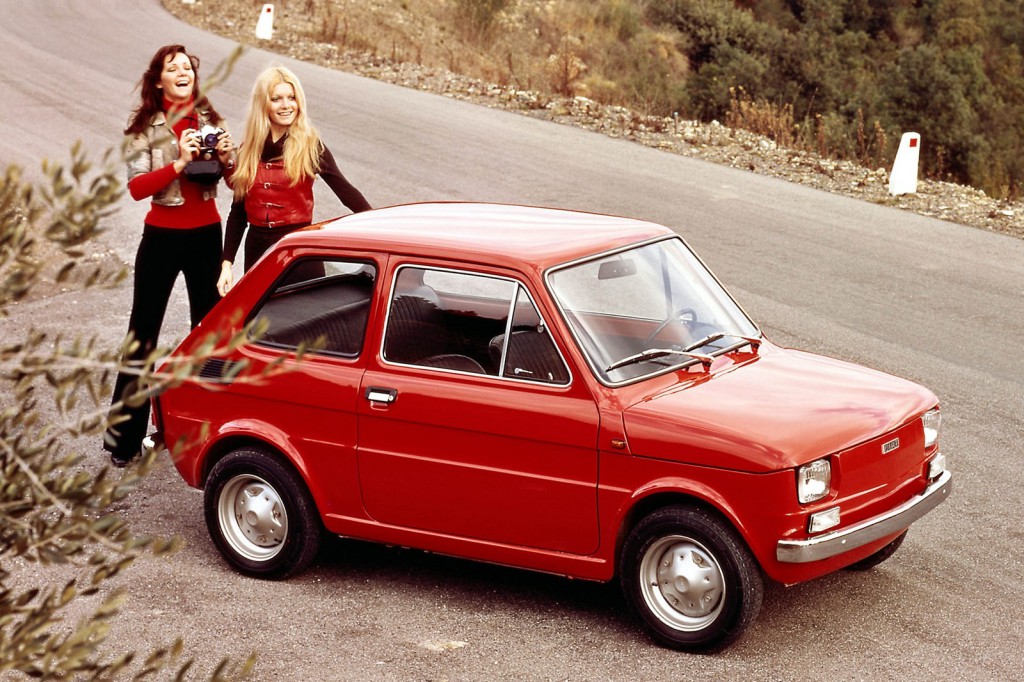
Catalina Pereira conduce por un Fiat polaco ruinoso por las calles de La Habana. Es una mujer humilde, de estatura grande. Su entrada o salida al pequeño auto es toda una odisea. En la escuela nunca pasó de noveno grado, finalizado en un curso nocturno de una facultad obrera. Su trabajo destacado en el corte […] Leer más
25 April, 2018
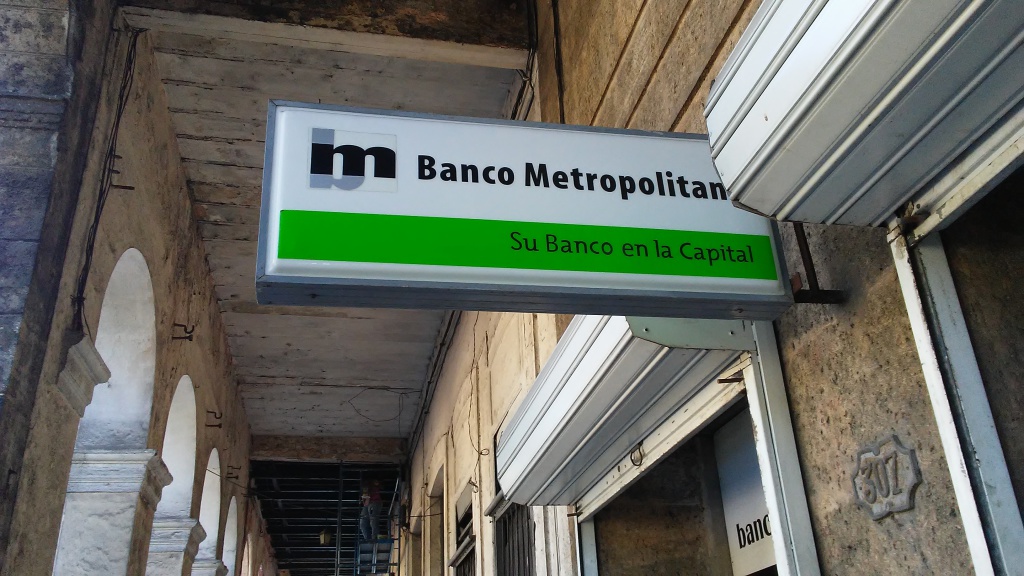
Después de la elección de Miguel Díaz-Canel Bermúdez como Presidente del Consejo de Estado y de Ministros, el nuevo Jefe tendrá entre sus retos iniciar el proceso de unificación monetaria, ante la mirada vigilante de Raúl Castro y demás jerarcas históricos del Buró Político del Partido Comunista de Cuba (PCC). Una de las tantas preguntas que […] Leer más

18 April, 2018
Alguien me comentó no hace mucho que, ante un nutrido grupo de muchachos gay que marchaban contentos por una avenida de la capital, portando banderas de varios colores, acompañados de la hija del General Raúl Castro, le preguntó a uno de ellos si sabía lo que eran las UMAP. Sorprendido, solo atinó a decir, sonriendo, […] Leer más
11 April, 2018
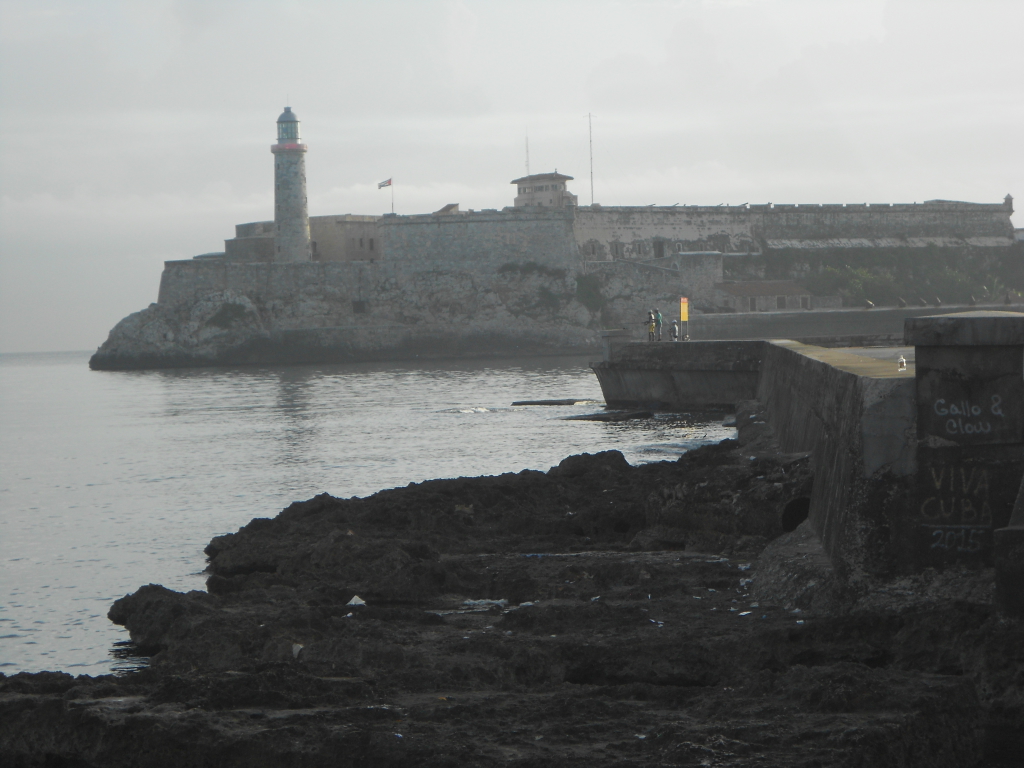
La realidad cubana es una y muchas al mismo tiempo, así que nada mejor que conocerla a partir de sus propios actores… anónimos, por ahora. En esta sección de entrevistas, iremos explorando diferentes proyectos sobre Derechos Humanos y desarrollo que se encuentran actualmente en marcha en la isla. Hoy, nuestro tópico será la formación de líderes y los problemas […] Leer más
4 April, 2018
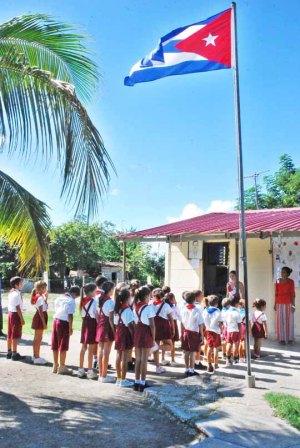
La escuela primaria Rubén Martínez Villena en Santiago de Cuba transita por el peor momento de su historia. No es sólo la falta de maestros lo que aqueja, sino también la falta de valores de aquellos que van ocupando las plazas. “Casi todos los maestros dicen malas palabras delante de los niños”, cuenta Yanet, madre […] Leer más

28 March, 2018
A nadie es de extrañar los resultados de las llamadas elecciones recientemente celebradas en Cuba. Somos cerca de un millón los que, contrarios a una dictadura comunista, defendemos los Derechos Humanos pese a la guerra que se nos hace. Al parecer, el sucesor en jefe ni se ha enterado. Nada ha dicho hasta ahora. Es lógico. […] Leer más
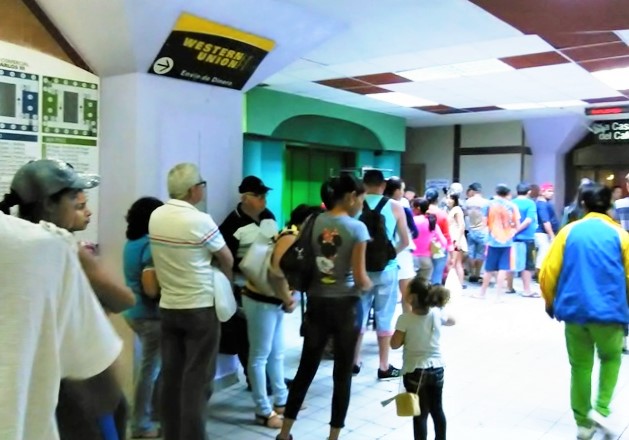
21 March, 2018
El cobro de remesas en las oficinas de Western Union quedó entorpecido durante los primeros días de marzo, causando la alarma de gran parte de la población habanera. “Ayer me resultó imposible cobrar el dinerito que me manda mi hijo desde Nueva Jersey. En la tarde esperé dos horas sin conseguirlo. Siempre hay demasiada gente, […] Leer más
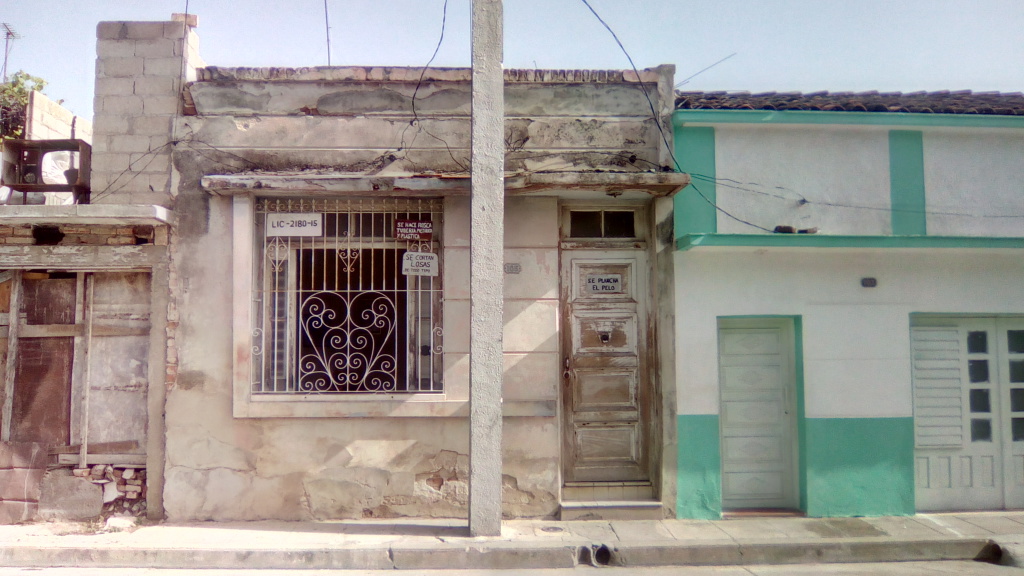
16 March, 2018
La realidad cubana es una y muchas al mismo tiempo, así que nada mejor que conocerla a partir de sus propios actores… anónimos, por ahora. En esta sección de entrevistas, iremos explorando diferentes proyectos sobre Derechos Humanos y desarrollo que se encuentran actualmente en marcha en la isla. Hoy, nuestro tópico será la formación de jóvenes en actividades de […] Leer más
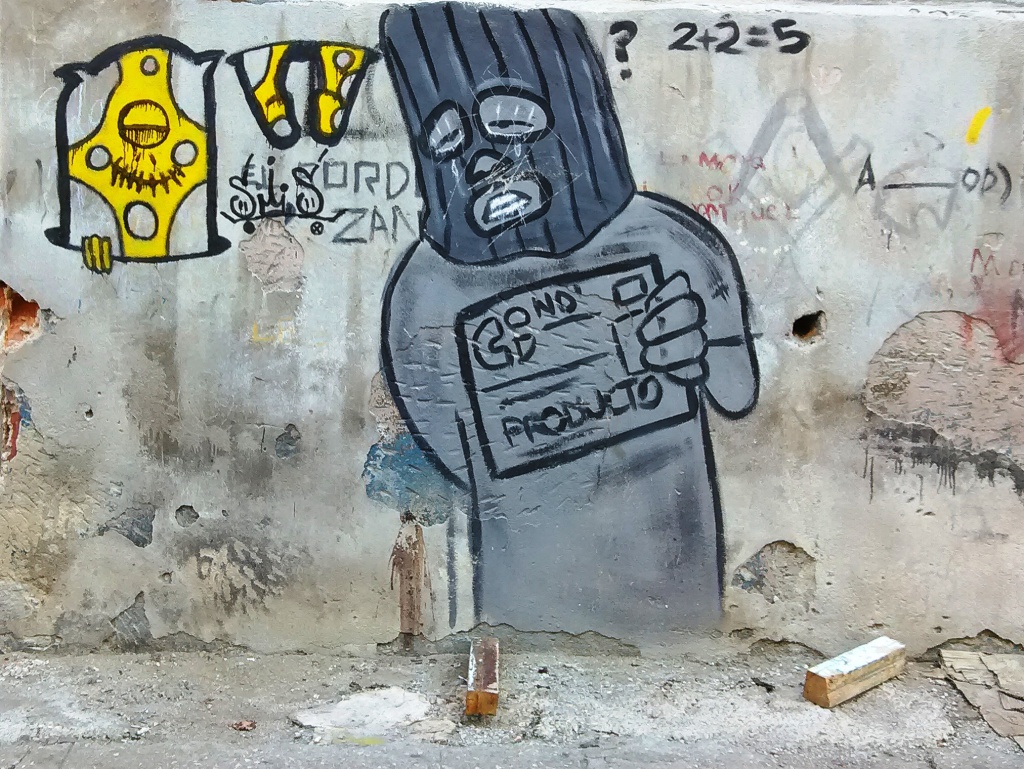
11 March, 2018
Los artistas de incógnito no dejan de presentar los más disímiles retazos en las paredes habaneras a punto de derrumbarse. La imagen de la esquina de Subirana y la avenida Carlos III es, sin duda, uno de los más logrados. ¿Una manera de escapar de la realidad cotidiana? ¿Una crítica al modelo cubano? Quién sabe… […] Leer más

28 February, 2018
Una vez anunciada la flexibilización de la relación entre los Estados Unidos y Cuba hace más de un año, los trabajadores de la Marina Hemingway esperaban ansiosos y preparados una arribazón de yates procedentes del país del norte. Lo cierto, sin embargo, es que todavía ningún cambio aparece a la vista. “A entrado un solo […] Leer más
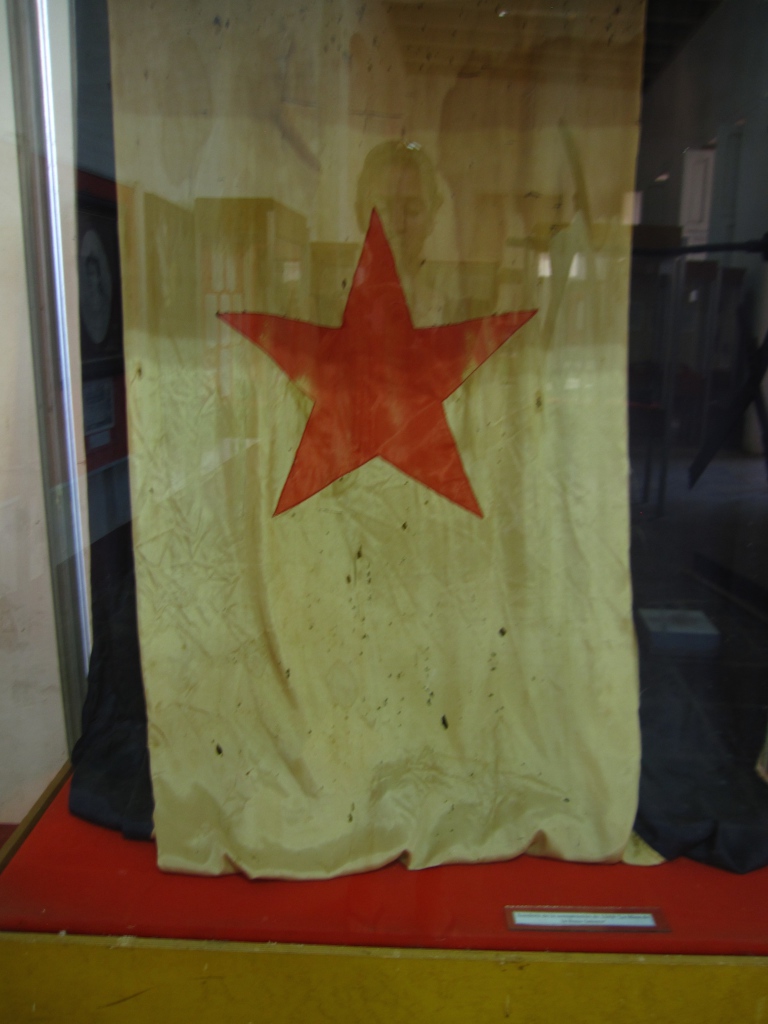
21 February, 2018
Se acerca el delicado momento en que Raúl Castro deje el gobierno y la incertidumbre acerca de quién será su sucesor crece como una bola de nieve. En algunos barrios de La Habana la población baraja varios nombres: el vicepresidente Miguel Díaz Canel; algún que otro Castro como para mantener la estirpe; Eusebio Leal, el […] Leer más
15 February, 2018
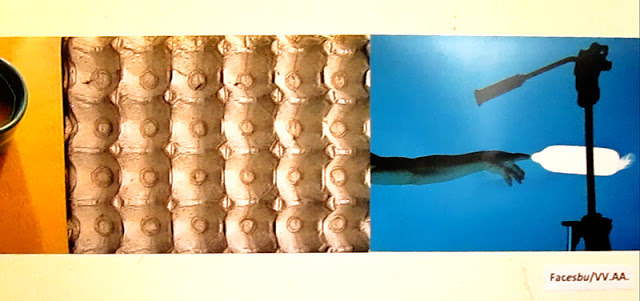
Con bastante retraso en relación a otras comunidades de Cuba y al resto del mundo, fue instalada una red wifi en el parque de Jaimanitas. A pesar de la lenta conectividad del servicio, su llegada ha modificado de alguna manera la vida del pueblo. “La gente ya no tiene que trasladarse a sitios lejanos de la […] Leer más
11 February, 2018
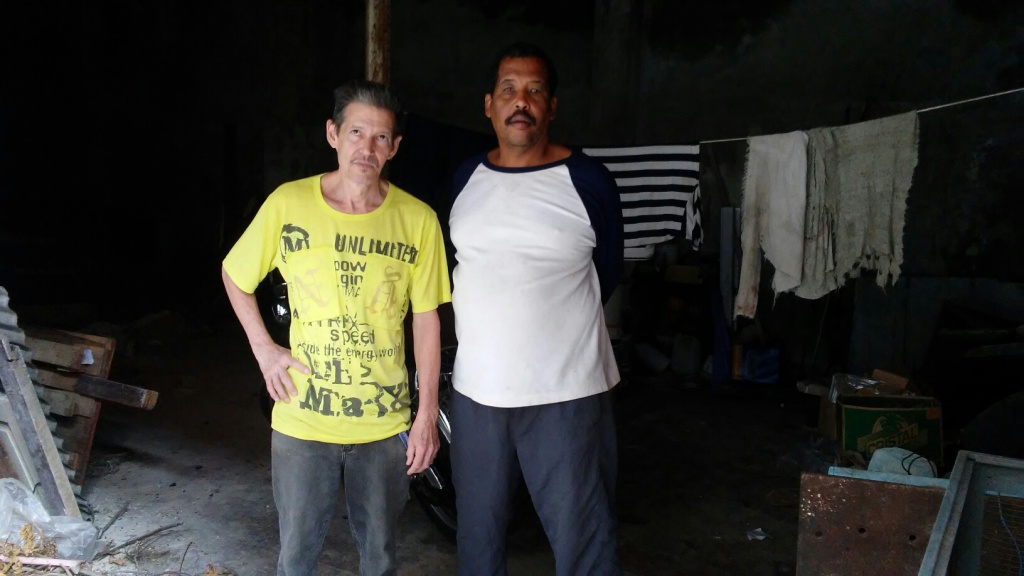
Los damnificados de un derrumbe solicitan que los saquen de la comunidad de tránsito a la que fueron hace mucho tiempo trasladados. Las causas, sin más, son las malas condiciones habitacionales y la falta de higiene que posee el lugar. El albergue, que en su momento fue una empresa del café, se encuentra ubicado en […] Leer más

22 December, 2017
People in Need (PIN) – ONG de la Republica Checa – lanza la convocatoria para proyectos que se desarrollarán en Cuba a partir del 1 de febrero de 2018. PIN apoyará 4 tipos de proyectos: Proyectos cívico-sociales y económicos (incluidos sobre derechos laborales y cuentapropismo) Proyectos sobre periodismo y comunicación Proyectos sobre ecología y […] Leer más
20 December, 2017
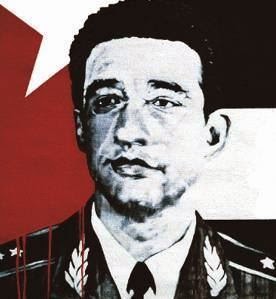
El hombre que fusilaron en 1989 no era un hombre cualquiera, sino uno impresionante, de más de un metro y ochenta de estatura, con voz de mando y una sonrisa cautivadora y campechana. Se llamaba Arnaldo Ochoa Sánchez y en el pasado había tenido a su mando a más de 300 mil soldados en diferentes misiones […] Leer más
15 December, 2017
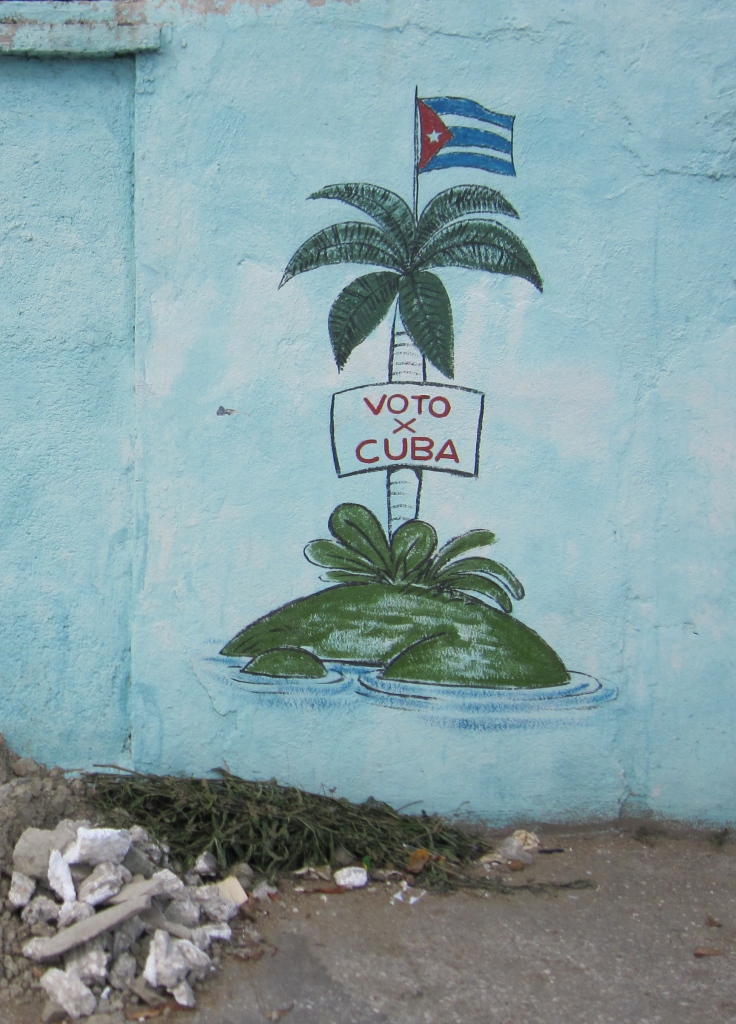
Hace no mucho tiempo, terminaron las elecciones a delegados del Poder Popular en los municipios cubanos. Una vez más, dichas elecciones no resultaron ni competitivas ni participativas, sin que estuvieron, como siempre, condicionadas por una ideología que designa de antemano al candidato a seguir. En Cuba, sin más, es la Constitución misma la que lo […] Leer más
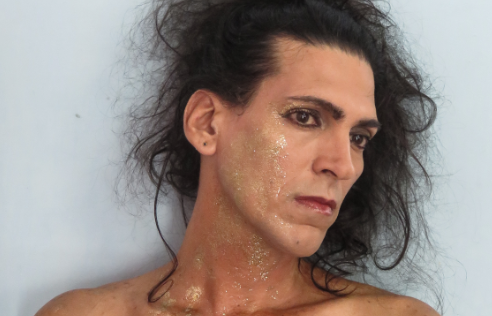
12 December, 2017
Uno de los políticos más importantes del siglo XX en Cuba es más conocido por la frase: “En Cuba las mujeres mandan”, que por su desempeño como primer mandatario. Lo dijo hace ya la friolera de 72 años. Y al menos así debió ser porque desde entonces las mujeres cubanas han sido la mitad de […] Leer más
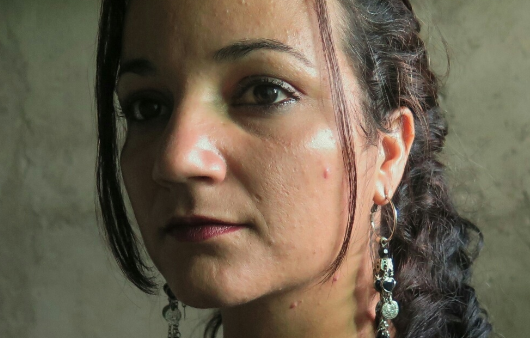
12 December, 2017
Aimara Peña (Sancti Spiritus, 1988) decidió presentarse como candidata independiente a delegada del Poder Popular en Las Tosas, la aldea de 2.000 habitantes donde reside, en la provincia de Sancti Spiritus. Maestra de formación, su interés por la política comunitaria parte de su experiencia como activista, periodista y bibliotecaria independiente, que la han acercado durante […] Leer más
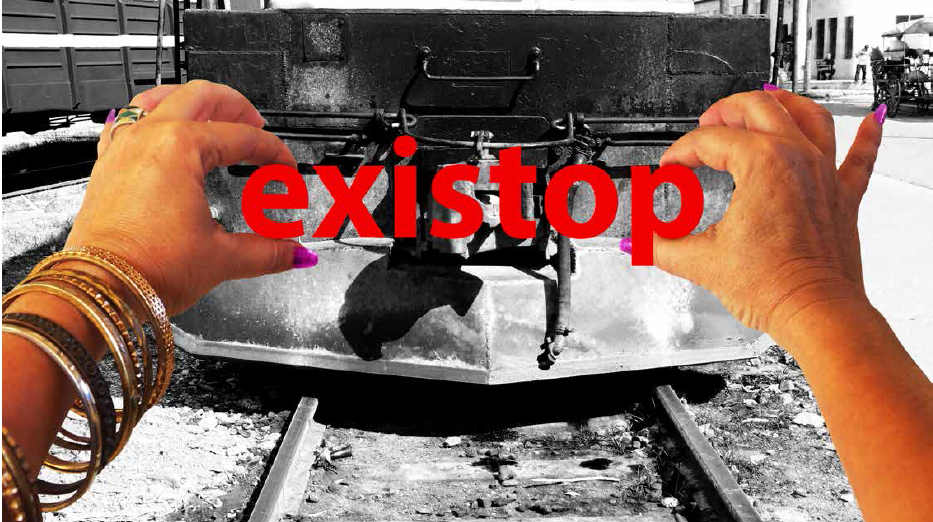
12 December, 2017
Nunca una mujer ha sido presidenta de Cuba ni se acercó como candidata elegible. Mientras durante las últimas décadas otros países de América Latina rompieron este “techo de cristal”, con mujeres que llegaron a la presidencia del país (Violeta Barrios en Nicaragua, Mireya Moscoso en Panamá, Michelle Bachelet en Chile, Dilma Roussef en […] Leer más

12 December, 2017
La primera ronda de las elecciones municipales en Cuba, el 26 de noviembre, ha traído resultados interesantes. No en cuanto a la votación de candidatos y candidatas, puesto que el propio mecanismo de elección impide cualquier cambio significativo (listas de delegados y delegadas afines al Partido comunista de Cuba que elegirán a otros cargos del […] Leer más
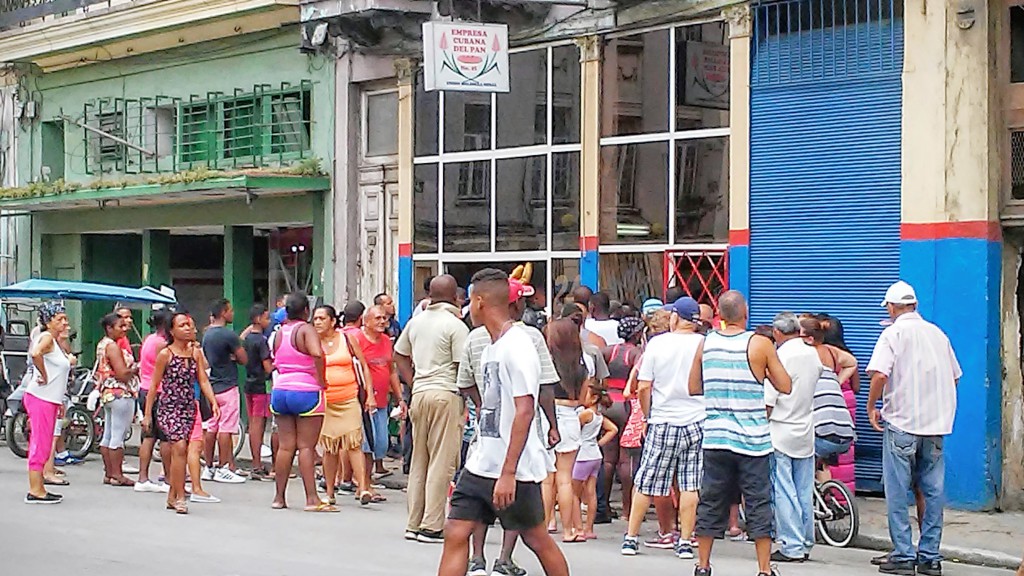
6 December, 2017
Con su cuarto lleno hasta el techo de ‘materia prima’, Richard Guzmán se rompe la cabeza pensando en cómo salir del callejón en que está metido. Todos los establecimientos dedicados a la compra de envases, cartonería, metales y plásticos reciclados cesaron sus actividades desde la llegada del ciclón Irma. Del reciclaje es de lo que […] Leer más
29 November, 2017
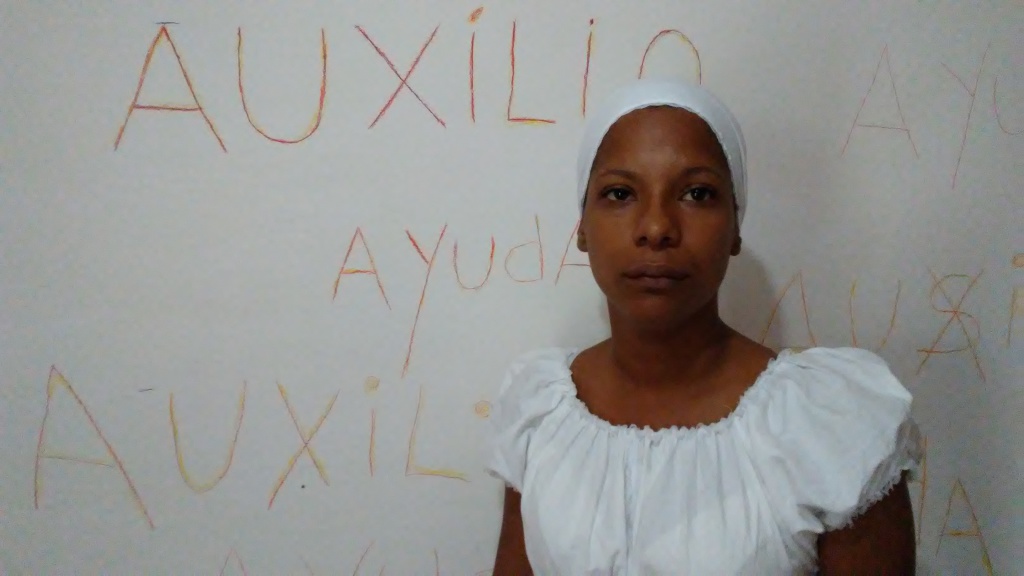
Desalojo de una familia habanera Yoana González Mayer y sus tres hijos de 8, 5 años y 2 años (esta última enferma de autismo), incursionaron a principios de año en la vivienda de la calle Misión, nro. 367, ya que su antiguo propietario había fallecido sin dejar herederos. “Hice esto porque estaba desesperada, estábamos viviendo […] Leer más

24 November, 2017
Ni siquiera debo decir su nombre. Mucho menos poner aquí su foto. Es por eso que dudo aún si me debo lanzar a escribir sobre esta treintañera, muy parecida (por lo linda, alta y esbelta) a Julia Roberts, la actriz norteamericana. Me dice que quiere hablar conmigo desde hace algún tiempo, pero que se decidió […] Leer más
15 November, 2017
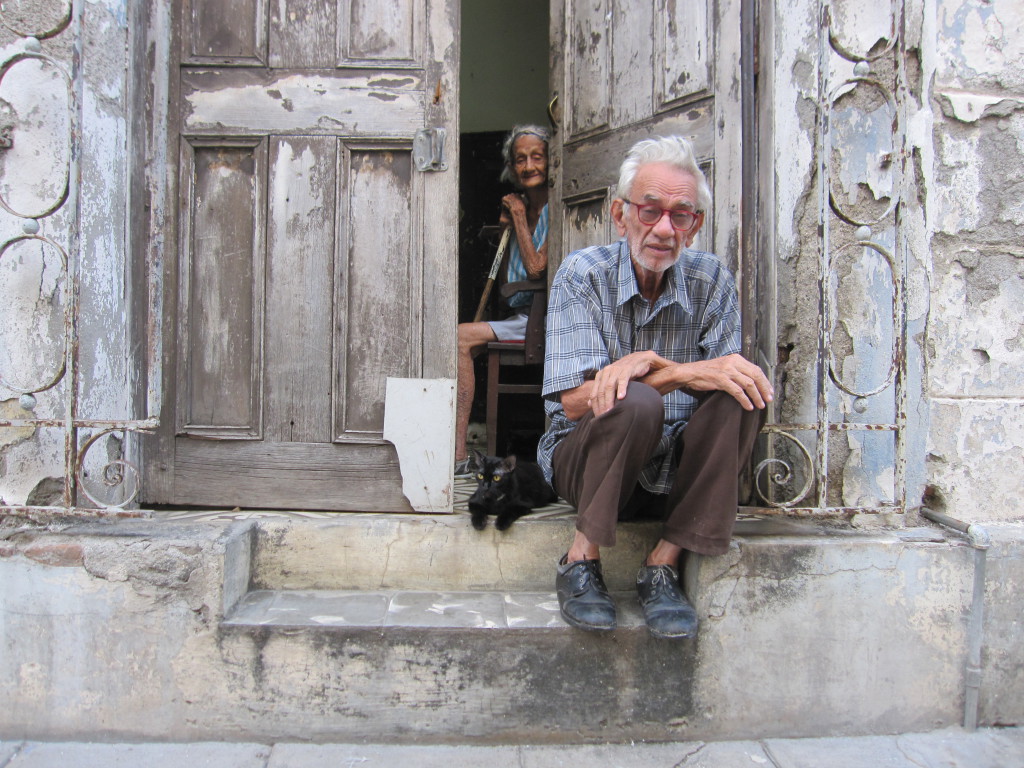
La noticia del reciente deceso por desnutrición y abandono del anciano Baldo, en el callejón de Jaimanitas, suscita comentarios en el pueblo sobre el envejecimiento poblacional y sus garantías, uno de los grandes retos para el futuro de Cuba. Otro desvalido,Luis Benítez, que también vive solo en un cuartucho y su familia no lo atiende, […] Leer más
8 November, 2017
Cuando llegué a vivir a Jaimanitas en 1995, toda la cuadra era ‘muy revolucionaria’, excepto Lidia, la viuda de un comandante guerrillero (Camejo de apellido), héroe de la batalla de Guisa. Como era la única, entre muchos que me resultaba confiable, nos hicimos amigas. El comandante guerrillero esposo de Lidia se fue a vivir a […] Leer más

3 November, 2017
La decisión de los directivos del PEN (Poetas, Ensayistas y Narradores cubanos exiliados) de aceptar el desarrollo de algunas de sus actividades en suelo cubano, arroja por el momento más dudas que ponderaciones. Y es que una entidad de esa naturaleza difícilmente pueda funcionar en un ambiente marcado por la sospecha, el miedo, la terquedad, […] Leer más
25 October, 2017
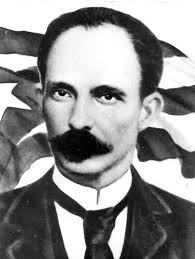
En algunas ocasiones le preguntaron a varias personalidades de la historia cubana cómo era José Martí. Enrique Collazo, Gonzalo de Quesada Miranda, Jorge Mañach y Cintio Vitier fueron los indicados para esa tarea. Coincidieron en que el Apóstol fue un hombre singular, tan singular como un cubano de ayer. Un cubano típico, puesto que era pequeño […] Leer más
18 October, 2017
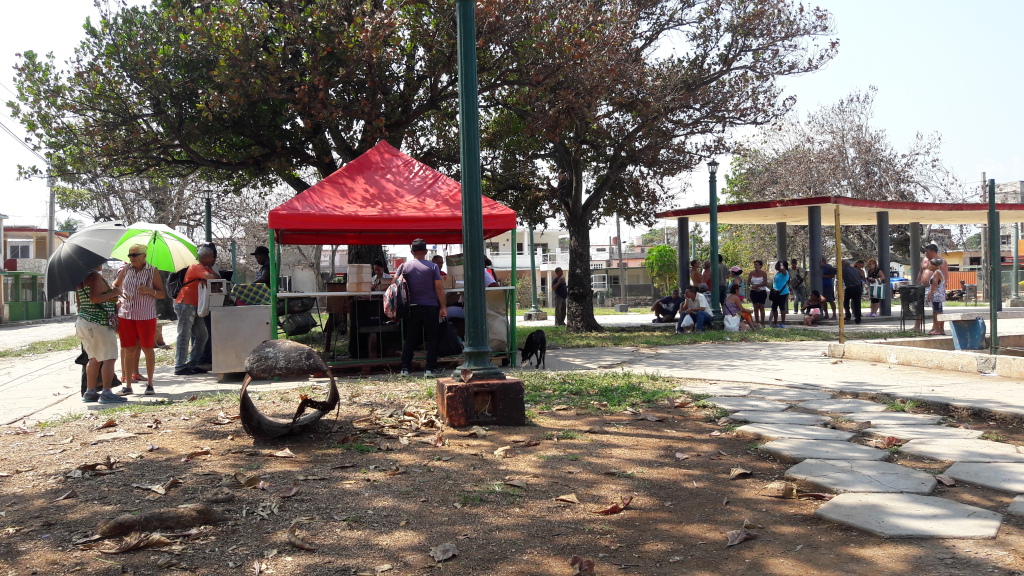
El festival de iniciativas creado alrededor de la recuperación después del huracán Irma, haría un buen guión para cualquier tipo de obra surrealista. Calles sucias y llenas de escombros ven montarse, desde las manos del Estado, estancos y tarimas adornados y pintados como a modo de carnaval, para la venta de productos alimenticios que, aunque […] Leer más
11 October, 2017
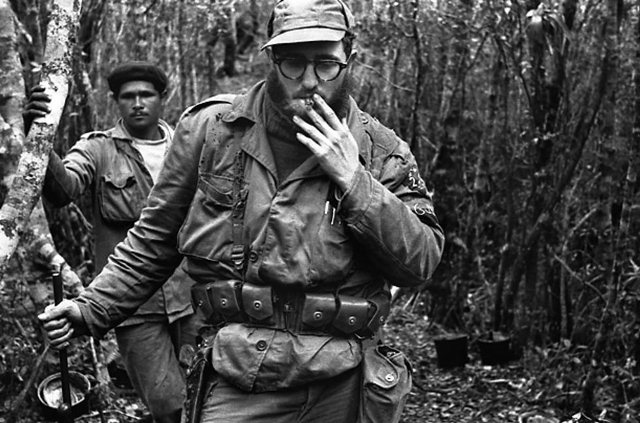
Al parecer, a Raúl Castro no le gusta recorrer lugares y encontrarse con gente corriente para hacer preguntas, como lo hacía su difunto hermano. Prefiere el micrófono en la congelada sala de reuniones del «Palacio de las Conveniencias», ante sus subalternos delegados o la visita de algún presidente. A lo máximo, se le ve en […] Leer más
8 October, 2017
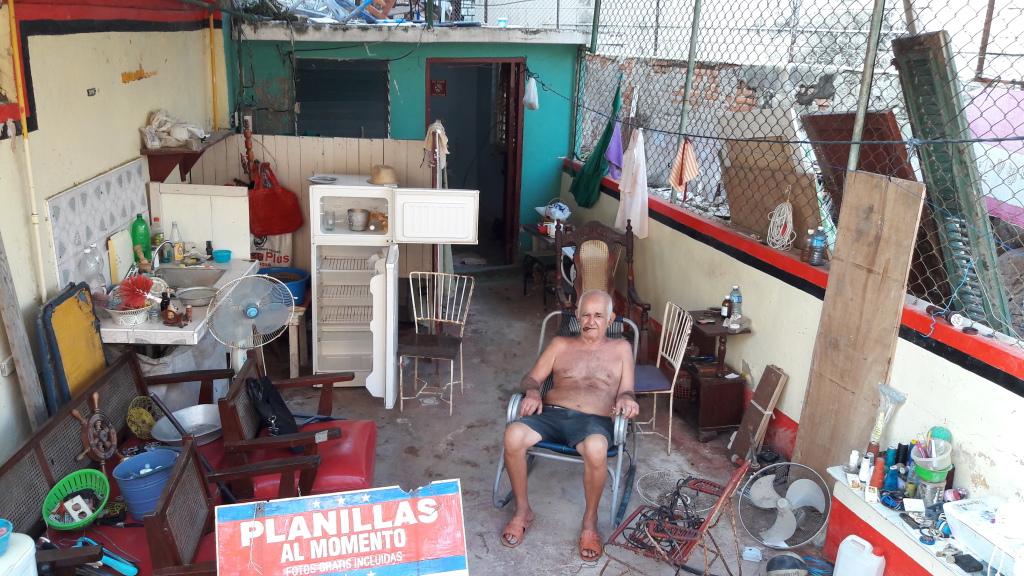
Pedro vive solo. Tiene ochenta años. Reside en Calzada número 151, en un antiguo garaje convertido en vivienda, frente a la Embajada de Estados Unidos. Desde que pasó el ciclón hace unas semanas, permanece sentado en una silla todo el día, en estado de shock, contemplando los destrozos causados por el mar. Los bienes personales […] Leer más
28 September, 2017
A través del tiempo la mujer ha jugado un papel activo en la emancipación de la sociedad y ha desempeñado un protagonismo determinante en su lucha por liberarse de los yugos tradicionales e históricos impuestos por el llamado “sexo fuerte”. Cada época dio ejemplos de mujeres o grupo de mujeres que dedicaron sus mejores esfuerzos […] Leer más
20 September, 2017
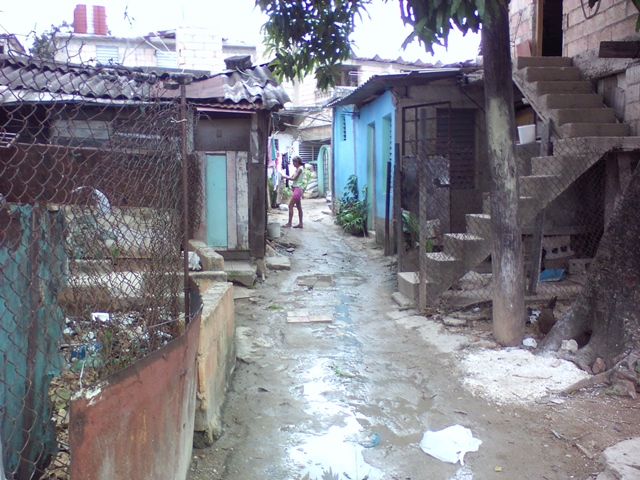
Una serie de sucesos ocurridos en Romerillo, provoca el desasosiego de sus habitantes y debiera llamar la atención tanto del gobierno, como de las autoridades del municipio Playa. Enclavado muy cerca de la 5ta. Avenida y de varios sitios emblemáticos como el Palacio de las Convenciones y el parque infantil ‘La Isla del Coco’, el […] Leer más
13 September, 2017
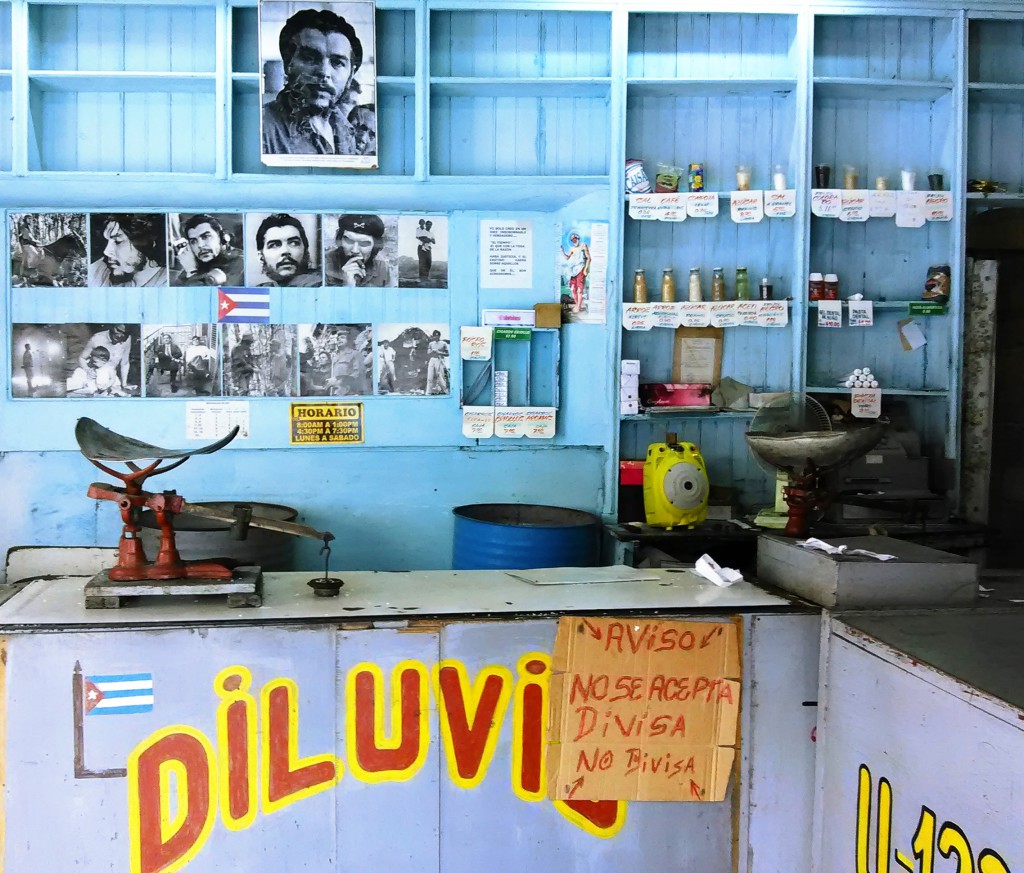
Manolo Cordoví aceptó contar su último avatar con el dinero que gana día a día, vendiendo en la calle lo que ocasionalmente aparece: “Me gané unos pesos con el queso fundido y los huevos, llevándoselo a la gente hasta su casa. Sucede que unos te pagan con pesos cubanos y otros con los convertibles, pero también […] Leer más
7 September, 2017
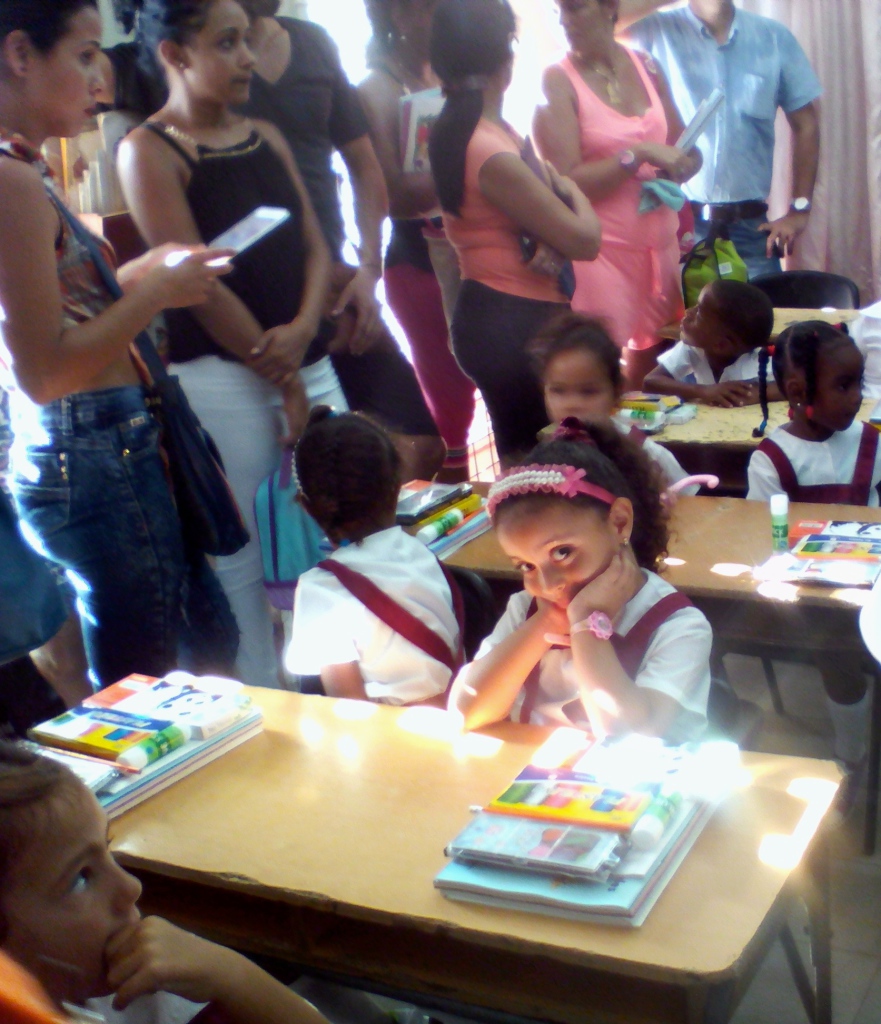
Comenzó en Cuba el año escolar 2017-2018 y si bien, a través de los medios oficiales, dirigentes del Ministerio de Educación aseguraron que iban a garantizar el material escolar en aras del exitoso desempeño de los niños, la realidad es otra. Muchas carencias han aflorado y devenido en quejas de padres y alumnos. En Santa Fe, pueblo costero del noroeste de […] Leer más

1 September, 2017
Santa Fe de Bogotá, con casi diez millones de habitantes, es la capital de Colombia, y cuenta con una rica tradición cultural y periodística que la distingue. No hace mucho estuve por allí y logré obtener información de primera mano acerca de los detalles del conflicto armado más largo del continente americano: la lucha contra […] Leer más
21 August, 2017
El pasado 1 de agosto de 2017, fue publicada en la Gaceta Oficial de la República de Cuba, la Resolución No. 22/2017 del Ministerio de Trabajo y Seguridad Social (MTSS). Esta norma tiene la finalidad de corregir de cierto modo aquellas desviaciones que las autoridades han identificado en la implementación de sus políticas por casi […] Leer más
8 August, 2017
Hace unos días, alguien trajo a mi memoria a uno de los personajes cubanos del siglo XIX que más influyera en mi adolescencia: el poeta Julián del Casal. Nacido en 1863 y autor de una de las obras cumbre de la literatura cubana, murió una noche de octubre de 1893, mientras reía a carajadas por […] Leer más
31 July, 2017
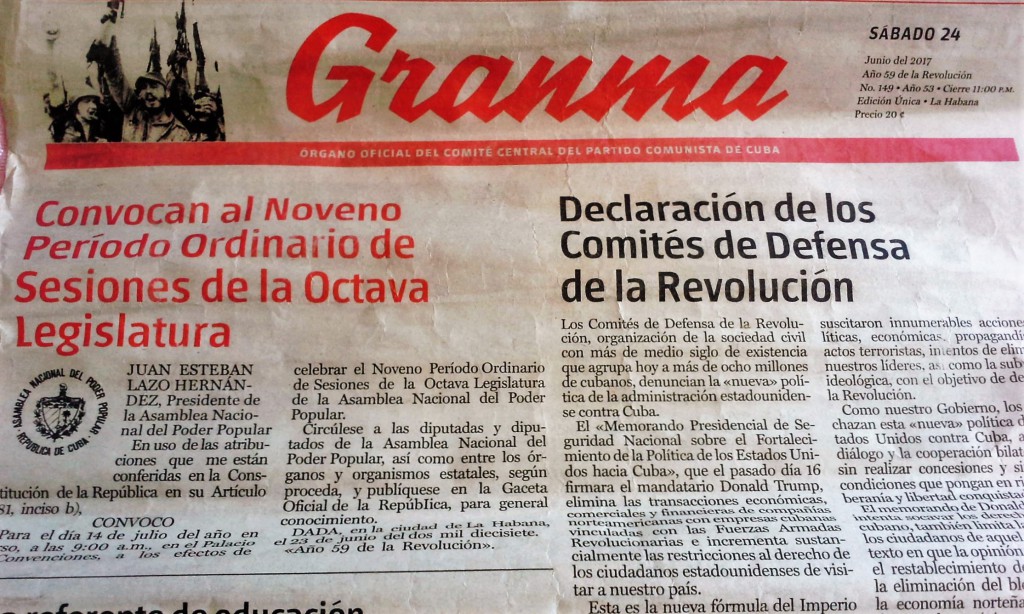
El clamor por una Ley de Prensa que, supuestamente, resolvería la crisis manifiesta y creciente del periodismo cubano, va filtrándose a cada rato en los artículos de los llamados “comunicólogos”. El término fue empleado por Graziella Pogolotti, miembro de la Academia de la Lengua en Cuba, en su columna dominical de Juventud Rebelde del 14 […] Leer más
26 July, 2017
El pasado 18 de julio, Énix Berrio Sardá debía salir de Cuba en un vuelo de Copa Airlines con destino a Sudamérica para participar en una capacitación académica. Al llegar la terminal 3 del Aeropuerto Internacional José Martí de La Habana, Énix despachó su equipaje junto a los demás ciudadanos que participarían del mismo programa, pero […] Leer más
24 July, 2017
Es una mujer menuda, frágil, con signos de prematura vejez y un desequilibrio emocional palpable. Llega a mi casa con un legajo de hojas en la mano y un llanto lastimero que la desborda. En su pueblo le han dicho que soy el único que puede ayudarla, una especie de ángel salvador desde mi rol […] Leer más
7 July, 2017
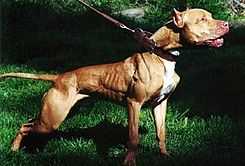
Por ofrecer y promover las peleas de perros, la policía efectuó hace varias semanas un operativo en una vivienda de la calle 42 en el reparto Río Verde del municipio Boyeros. Según algunas fuentes consultadas, arrestaron a dos hombres y a una mujer que cuidaban y entrenaban a los canes. Inmediatamente después, los mismos fueron […] Leer más
30 June, 2017
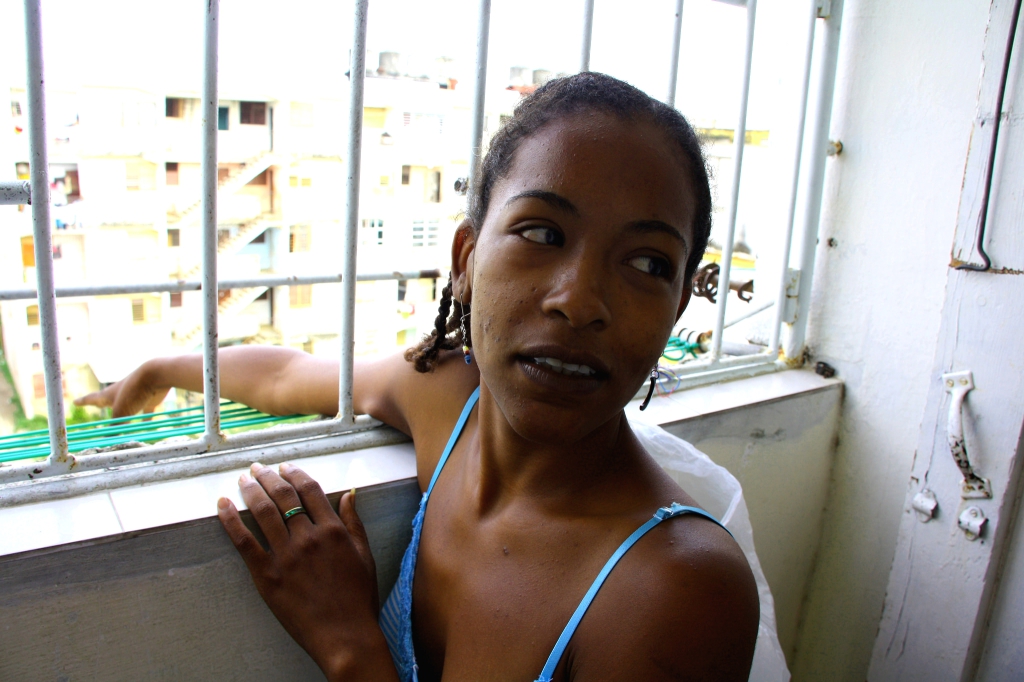
En todos los países del mundo es difícil luchar contra el racismo. Sin embargo, en Cuba es especialmente difícil. A pesar de que el racismo forma parte de la realidad de la sociedad cubana actual, las autoridades tratan de evitar cualquier debate público sobre el tema. Un ejemplo de discriminación se da en el acceso […] Leer más
29 June, 2017
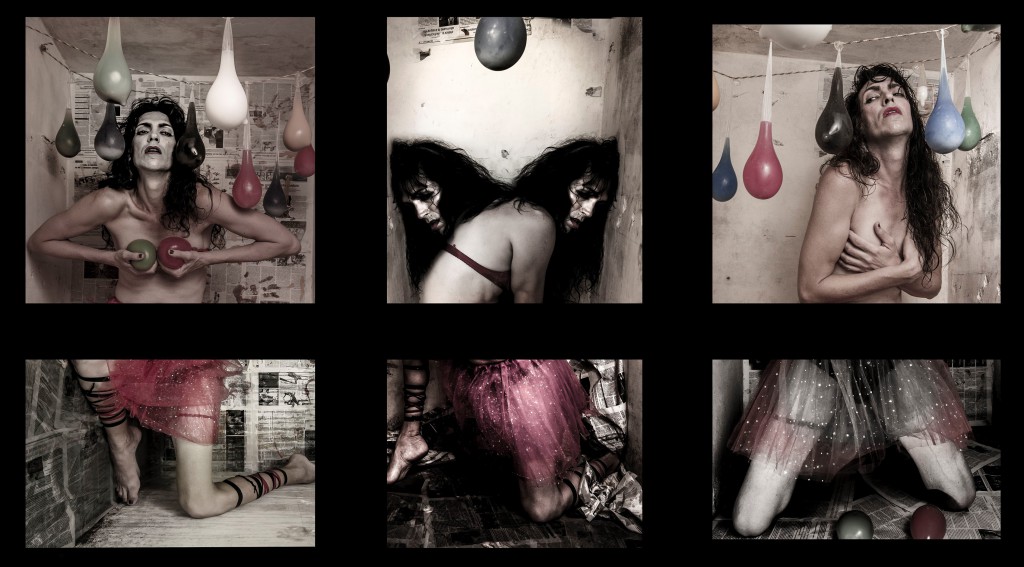
En Cuba, todo lo que pueda resultar novedoso, ya sea en la literatura o en otros medios de expresión, como la fotografía, o cualquier acción artística performática, siempre que sea innovadora y provocativa, puede ser un blanco perfecto para recibir censura. Porque en la actualidad, a algunos de los que tienen la potestad de […] Leer más
29 June, 2017
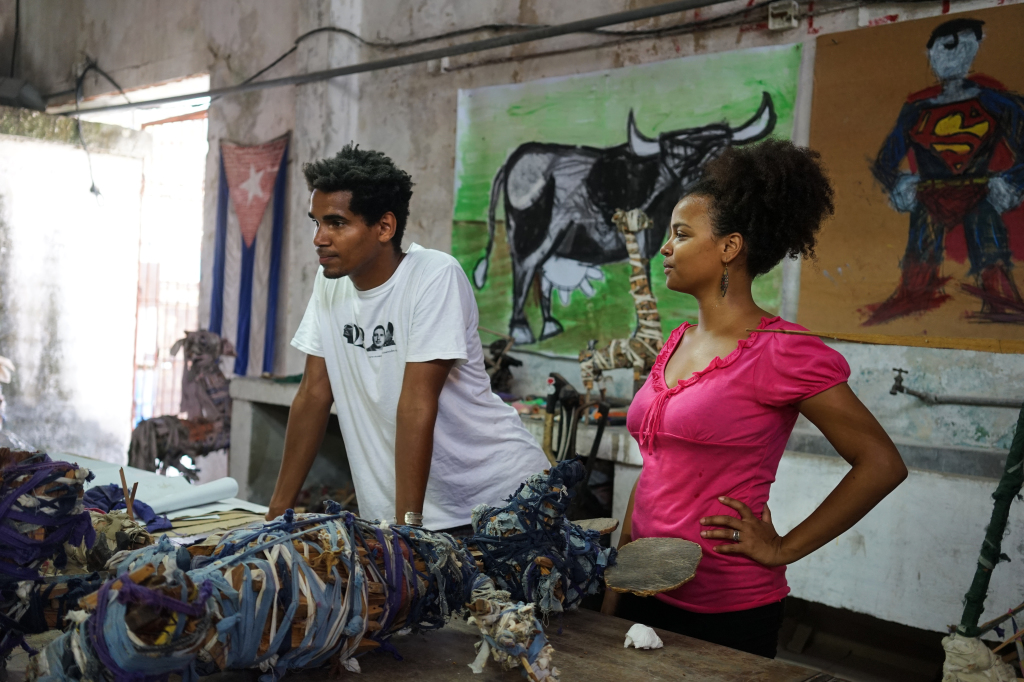
El Museo de la Disidencia en Cuba (MDC) es una obra de arte creada en el año 2016 por el artista visual Luis Manuel Otero Alcántara y la historiadora del Arte Yanelys Núñez Leyva. Funciona como una plataforma dinámica que se despliega online -con archivos de consulta, sala transitoria de perfil cultural, blog, etc.- […] Leer más
29 June, 2017
En 2016, Abel Prieto volvió a asumir el mando del Ministerio de Cultura en Cuba, luego de un receso de cuatro años, en los que supuestamente fungió como asesor del general presidente. Rafael Bernal y Julián González, que fueron ministros en su ausencia, pasaron casi inadvertidos por el cargo. Y esto era lógico de esperar, […] Leer más

29 June, 2017
Durante mucho tiempo se ha pensado que en Cuba la censura era algo reservado para los opositores al régimen, aquellos que querían derrocar la Revolución, y de cuya influencia había que proteger al pueblo. Aunque la cultura, y en particular el arte, fueron utilizados como armas de propaganda, en un principio el gobierno intentó ser […] Leer más
26 June, 2017
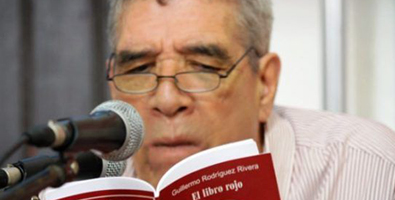
El poeta Guillermo Rodríguez Rivera murió a mediados de mayo y fue velado por la dictadura castrista, como muchos otros artistas de renombre. A pesar de haber sido un excelente escritor, con numerosos libros publicados y profesor universitario durante décadas, no le otorgaron el Premio Nacional de Literatura como desde la perspectiva de muchos se hubiera […] Leer más

20 June, 2017
Mi memoria, que vale millones de pesos y es subversiva, lo recuerda con lujo de detalles. Triunfan los barbudos en la Sierra Maestra y todo, menos las ideas comunistas, comienza a estar prohibido. Hasta el jazz. No por sus acordes musicales, claro está. Los hermanos Castro pudieron ver al jazz no sólo como música negra […] Leer más

19 June, 2017
Niober Garcia Fournier no es un disidente conocido, ni alguien acostumbrado a viajar y dar discursos en las instituciones europeas. En su Guantánamo natal, a casi 1000 kilómetros de la capital, sufre regularmente la represión y marginación típicas de la zona oriental de Cuba. Su vida es el contacto diario con otros activistas de base. […] Leer más
12 June, 2017
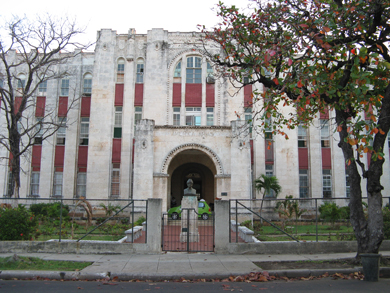
A pesar de sus supuestas altas tasas de embarazo, desde hace años el crecimiento de la población cubana se encuentra en un período de estancamiento. La respuesta tal vez se derive del elevado número de abortos que todos los días se practican en los hospitales. Gracias a las visitas a dos centros de maternidad de La […] Leer más

5 June, 2017
Como siempre gobernó junto a su hermano, Raúl Castro no necesitó esperar por el poder. Prefirió, eso sí, andar a la sombra porque, con uno de los dos que diera la cara, bastaba. Quien daba la cara, de forma permanente y agobiante, era Fidel Castro. A pesar de que siempre asumió la responsabilidad de todo […] Leer más
26 May, 2017
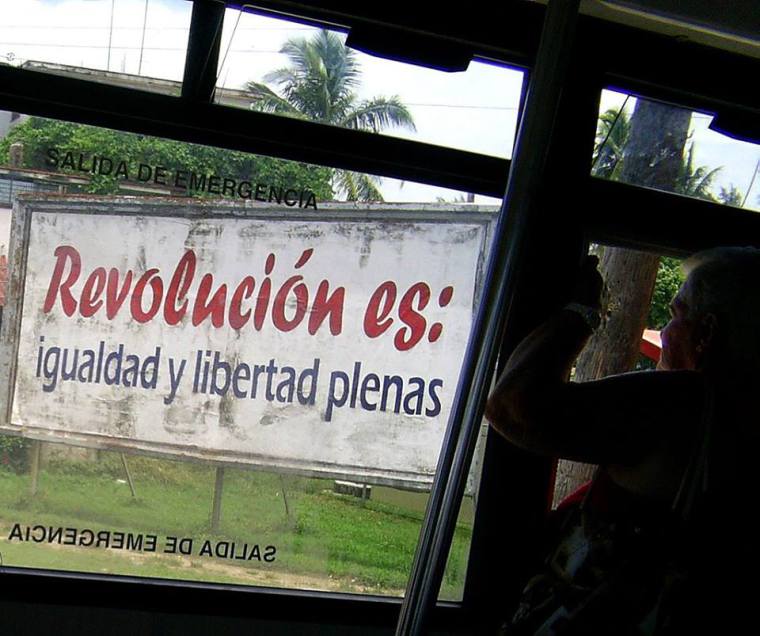
La tumba del socialismo del siglo XXI está en Caracas. Se trata del fin del proyecto (hegemónico en varios países de Latinoamérica por un momento) que Hugo Chávez y Fidel Castro concibieron a fines de la década del 1990. La idea fue tomando forma en los predios del Foro de Sao Paulo, un espacio que la […] Leer más
21 May, 2017
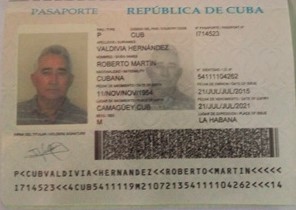
En la tarde del sábado 29 de abril, agentes de la Seguridad del Estado arrestaron al opositor pacífico Roberto Martín Valdivia Hernández, presidente del Partido Democrático 30 de Noviembre Frank País. El mismo se dirigía al Aeropuerto Internacional José Martí para efectuar un viaje a la República Argentina, invitado por el Centro para la Apertura […] Leer más
17 May, 2017
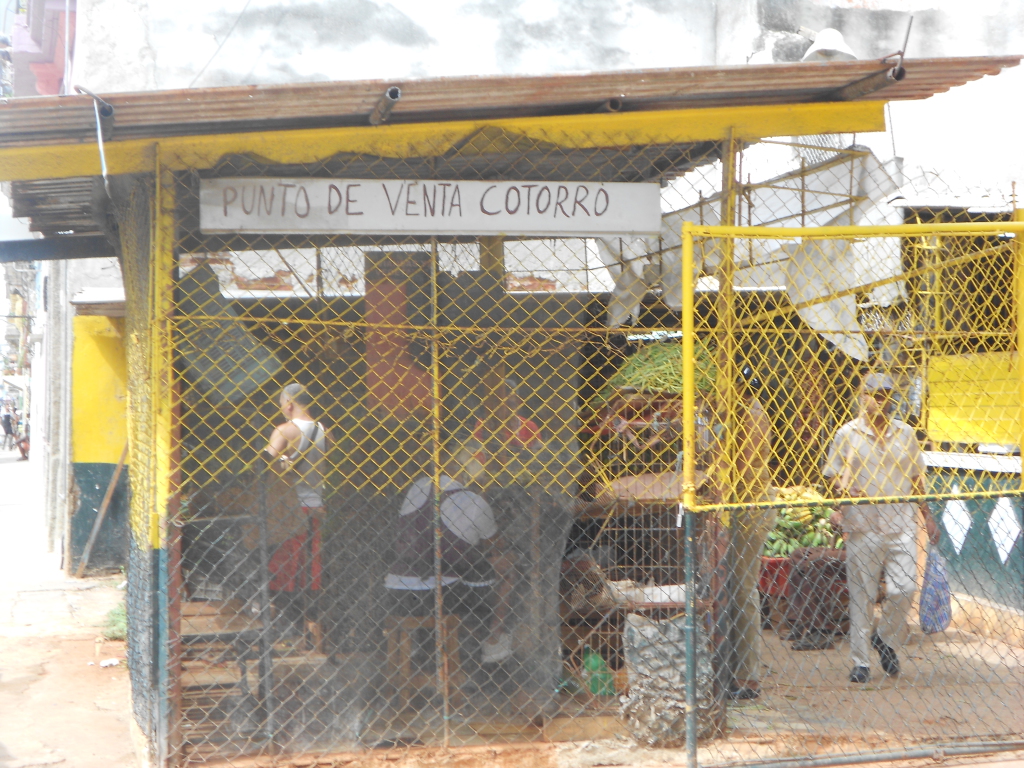
Un cubano de apellido Navarrete cuenta que el domingo vio llegar un camión de papas al agromercado de su reparto, y que se le alumbró el bombillo porque el día anterior había comprado en la tienda tres libras de carne de res a 240 pesos, que no es ni más ni menos la mitad de su salario […] Leer más

13 May, 2017
El parque de diversiones Coney Island de La Habana fue en su momento una de las atracciones más famosas de Latinoamérica. Estaba situado en una zona muy céntrica y abarcaba un extenso territorio desde la playa La Concha hasta el Fruticuba de la calle 112. Frente al Coney se erigían muchos restaurantes que vendían todo […] Leer más
5 May, 2017
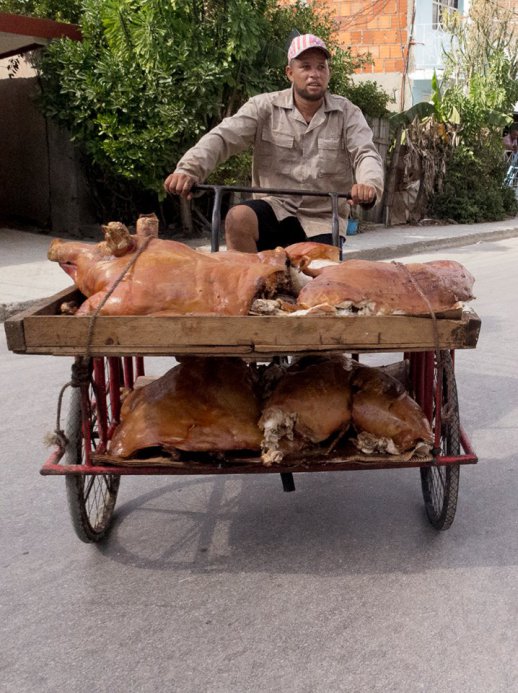
Contraer deuda es uno de los actos más ignominioso que existen, pero es parte del mecanismo de subsistencia ideado y perpetuado por el hombre a través de los siglos. En estos momentos el pueblo cubano está endeudado hasta el hueso. No me refiero a la deuda externa, sino a aquella que ha ido contrayendo la […] Leer más
30 April, 2017
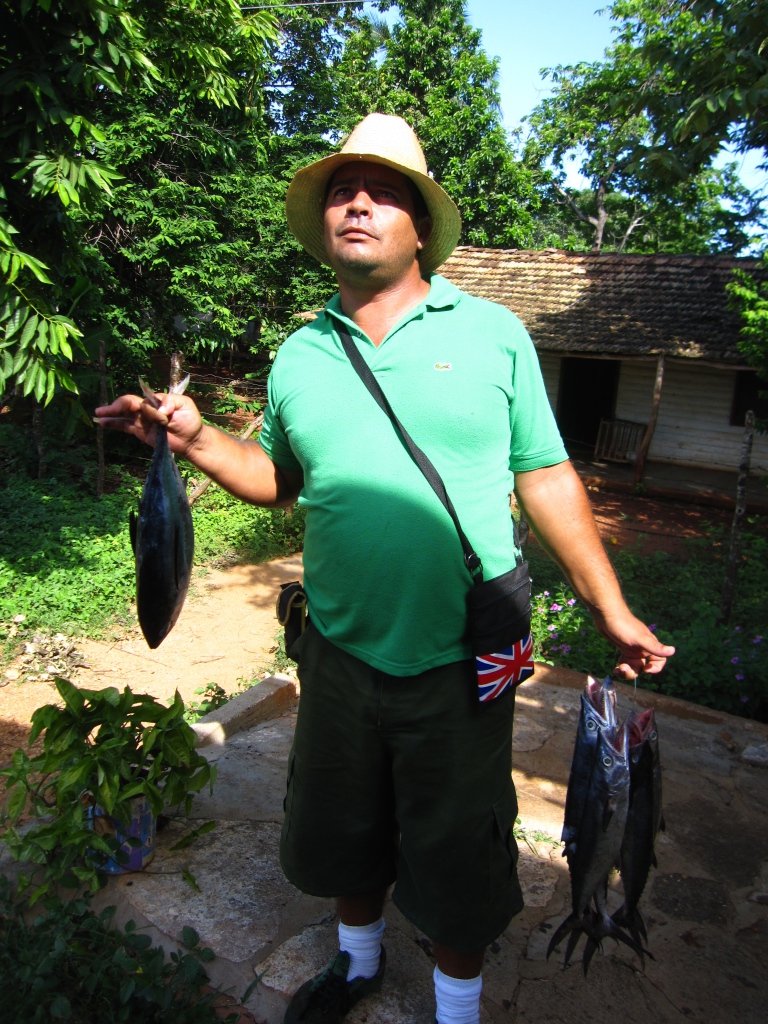
No se trata de un conflicto entre naciones, sino que son los pescadores y buzos de los alrededores de La Habana quienes debaten en relación a sus zonas de pesca, delimitadas y otorgadas, bajo común acuerdo, en una reunión de pescadores allá por el año 2012. “Fraccionamos el mar y lo repartimos entre los pescadores que […] Leer más
27 April, 2017
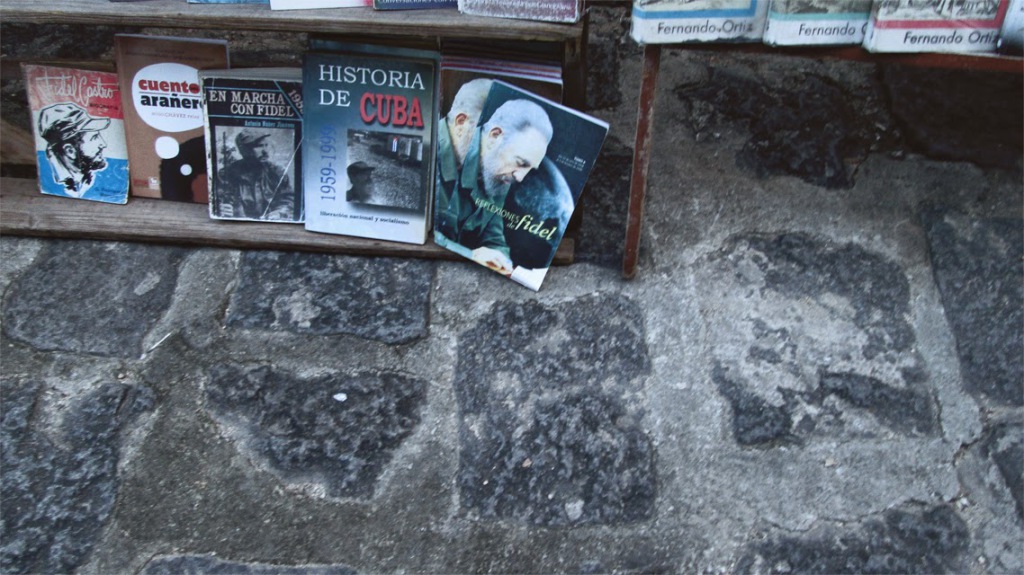
Sólo con rastrear un poco la historia de los años ‘40 y ‘50, podemos llegar a la conclusión de que la relación que hubo entre Fulgencio Batista y Fidel Castro, no fue nada normal. Las evidencias lo confirman. Esa relación comenzó cuando Raúl y Fidel eran niños, puesto que los poblados de Birán y Banes, […] Leer más
20 April, 2017
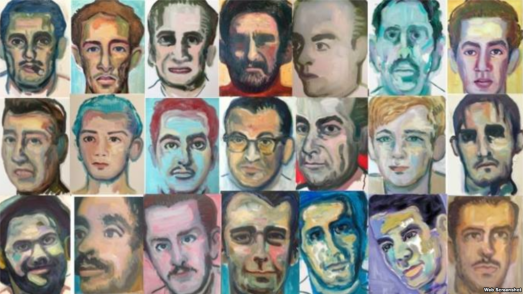
A Nelson Rodríguez Leiva lo fusilaron a sus 26 años en La Fortaleza de la Cabaña en 1971. A su lado, corrió la misma suerte su amigo del alma, Angelito de Jesús Rabí. En el mismo sitio, un siglo antes, habían fusilado al poeta Juan Clemente Zenea. De nada sirvió que por el año 1961 Nelson […] Leer más
13 April, 2017
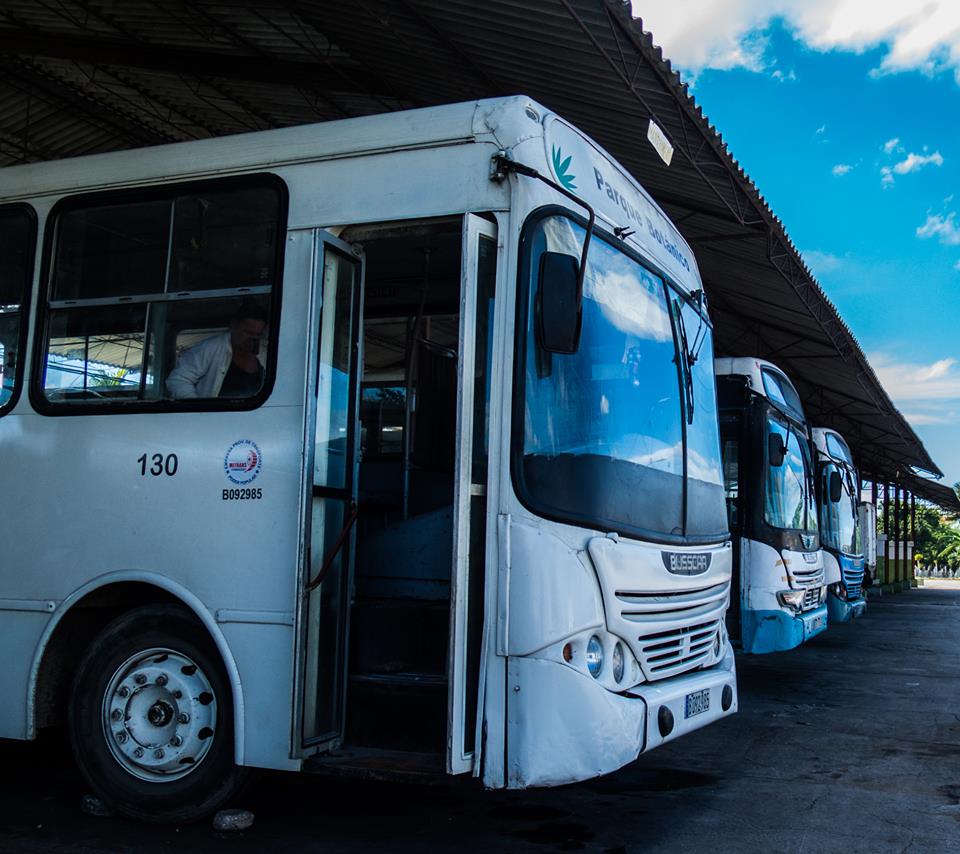
En los últimos días, los habaneros han notado una mayor cantidad de ómnibus circulando, lo cual alivia el humor y disminuye la cantidad de gente en las paradas. El fenómeno, sin embargo, tiene su historia. El motivo del incremento del parque automotor fue la tensión generada por un reciente tarifazo a los taxis particulares -muchos […] Leer más
6 April, 2017
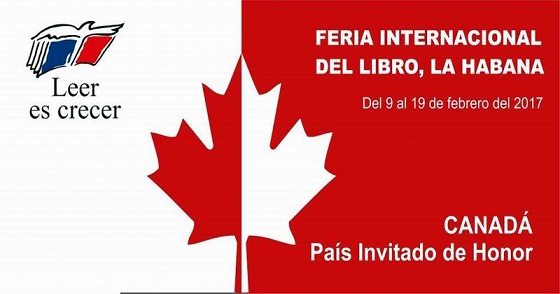
Hace algunas semanas concluyó en La Habana la XXVI Feria Internacional del Libro Cuba 2017, dedicada esta vez a Canadá y al revolucionario Armando Hart Dávalos. Como en las ediciones anteriores, la sede principal del evento fue la antigua fortaleza militar San Carlos de La Cabaña. Construida por el gobierno español en los primeros años […] Leer más

6 April, 2017
Ir por La Habana abogando por un trato ético hacia los animales, además de incentivando a los capitalinos al consumo de vegetales, es un despropósito que seguramente aumentará el nerviosismo y las burlas de más de uno de sus moradores. Este es el objetivo de PETA, organización estadounidense en defensa de los animales: aumentar el consumo […] Leer más
3 April, 2017
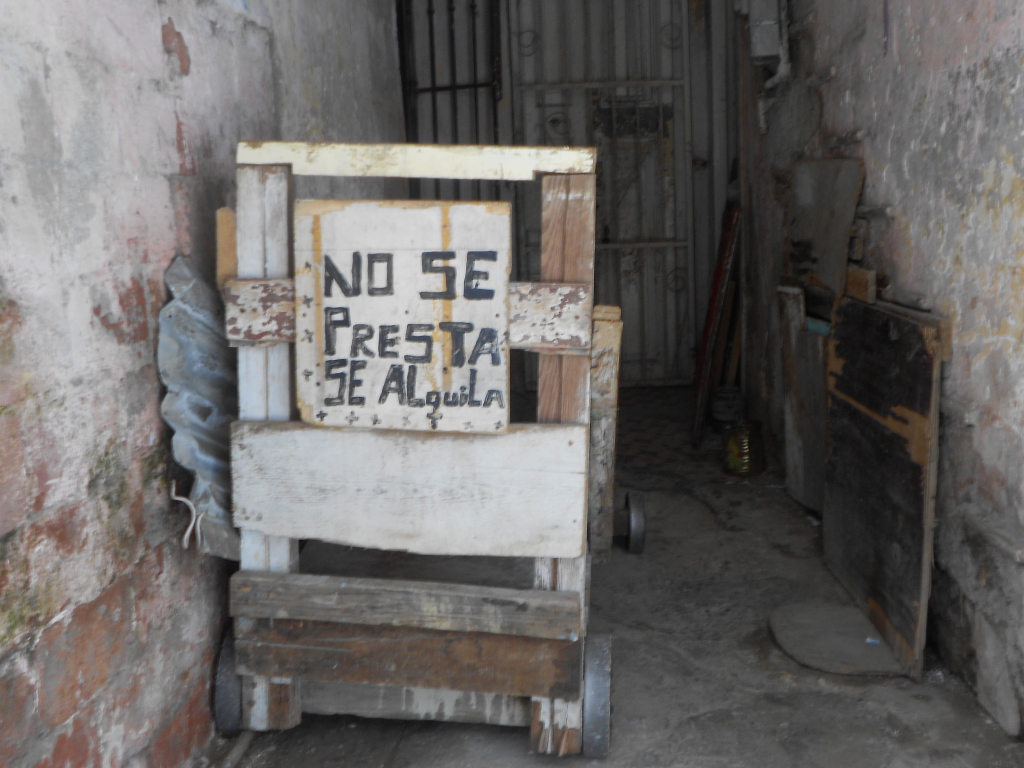
Una vez más queda claro que la continuación del socialismo cubano es inversamente proporcional a la posibilidad de comer en la Isla tres veces al día, cobrar salarios dignos y vivir sin el temor de que la casa se le caiga a uno encima. Los avances en el sistema no son sino parches y apuntalamientos […] Leer más
30 March, 2017
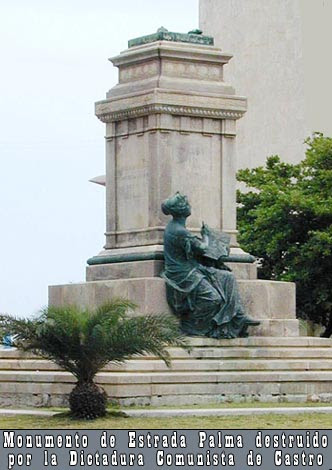
Ningún presidente de la Cuba se ganó el debido respeto del ya difunto líder cubano Fidel Castro. De todos ellos, sin duda, el más despreciado y censurado fue Don Tomás Estrada Palma (1835-1908). Sin escrúpulos, Fidel mandó a derribar su estatua en la Avenida de los Presidentes en 1961, y no le importó siquiera que fuera […] Leer más
12 March, 2017
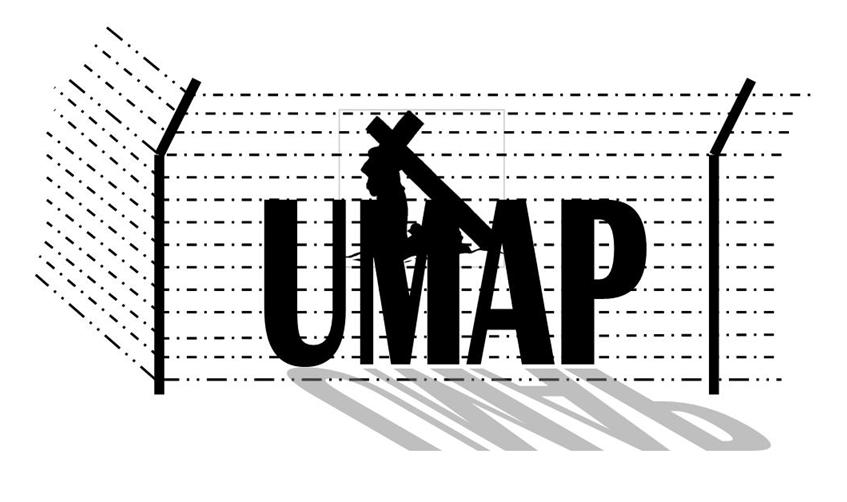
Un joven cubano de dieciséis años, que comienza a descubrir el mundo, no cree que en 1965 era imposible escuchar libremente a los Beatles. “Había que encerrarse en un cuarto o refugiarse en la soledad de un sótano, casi siempre de noche, sin testigos, solamente acompañado de hermanos o amigos muy fiables. Te metías en […] Leer más
23 February, 2017
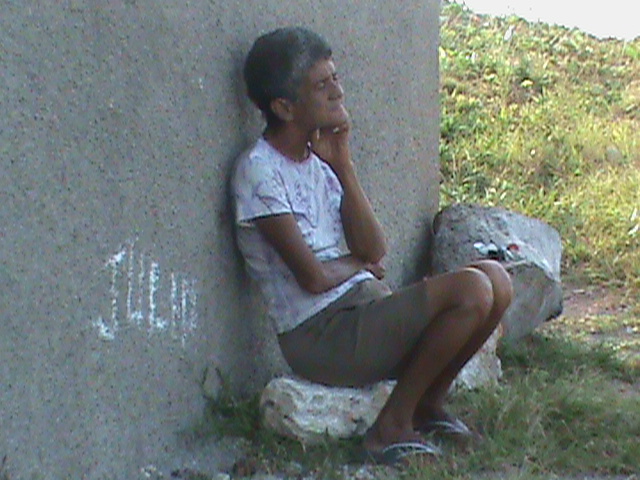
El aumento de la locura en Cuba es secuela de la crisis en la que viven sus individuos. Las causas varían. A veces, su antesala el alcoholismo. El resultado: la destrucción de los grandes talentos en la Isla. En Jaimanitas vive Bety, la loca, una mujer menuda, de vestir modesto y andar deprisa, que siempre […] Leer más
12 February, 2017
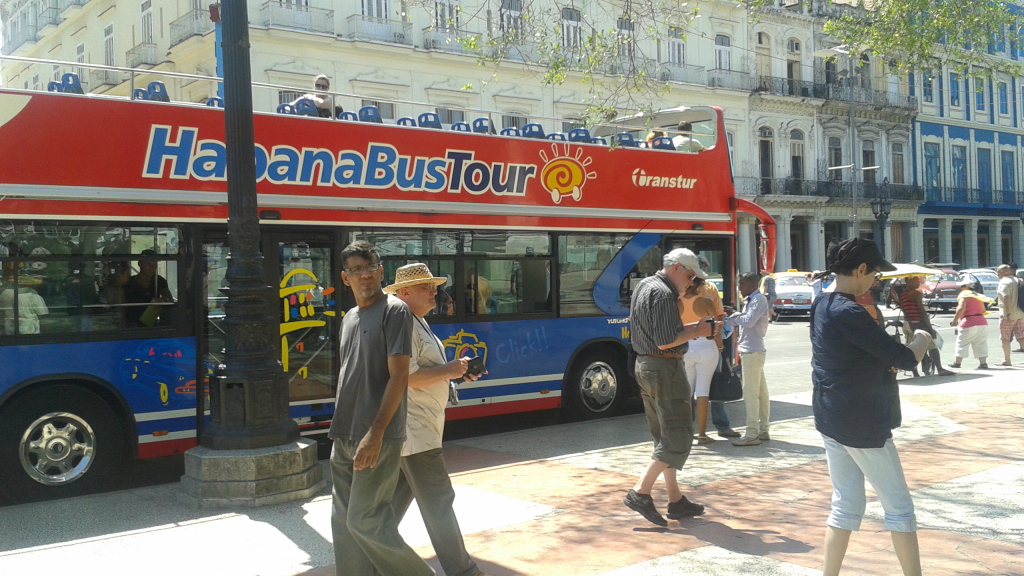
No hace mucho, una familia de turistas norteamericanos protestaron ante un policía, cuando repartían artículos de vestir durante una habitual peña deportiva, en el capitalino Parque Central. El señor Eliot Mackenzie, junto a su esposa Anna y su hijo Daniel, se molestó porque, al momento de regalarle un par de zapatillas deportivas marca New Balance a […] Leer más
6 February, 2017
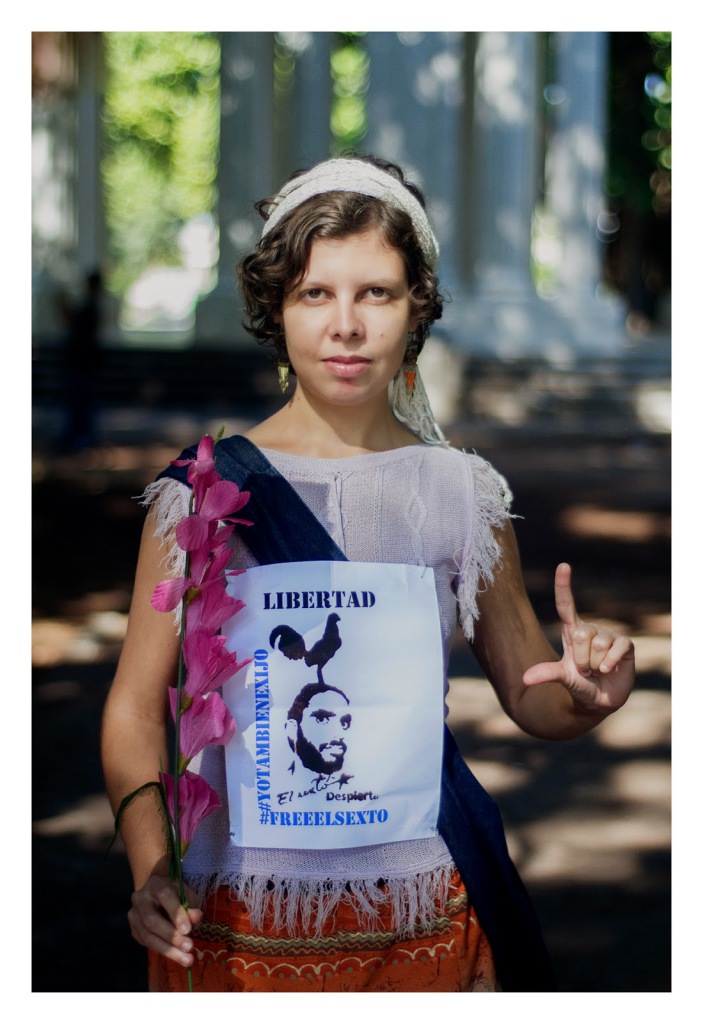
Con la muerte de Fidel Castro, tal vez haya cambiado medianamente el escenario político, aunque el guión continúe intacto. Los grupos opositores dentro de la isla, que luchan por recuperar la democracia perdida tras la llegada de los llamados revolucionarios al poder, tienen grandes retos por delante. Recogemos opiniones no sólo de algunos líderes en distintos […] Leer más

31 January, 2017
Entre mis libros de cabecera tengo Cuba. La lucha por la libertad de Hugh Thomas, historiador hispanista inglés, escrito durante su estancia en La Habana, ocurrida entre 1964 y 1971. En el prefacio, cuenta Thomas que pensó escribir sobre lo que ocurría en Cuba estando en la Plaza de la Revolución, mientras escuchaba un sombrío discurso […] Leer más
26 January, 2017
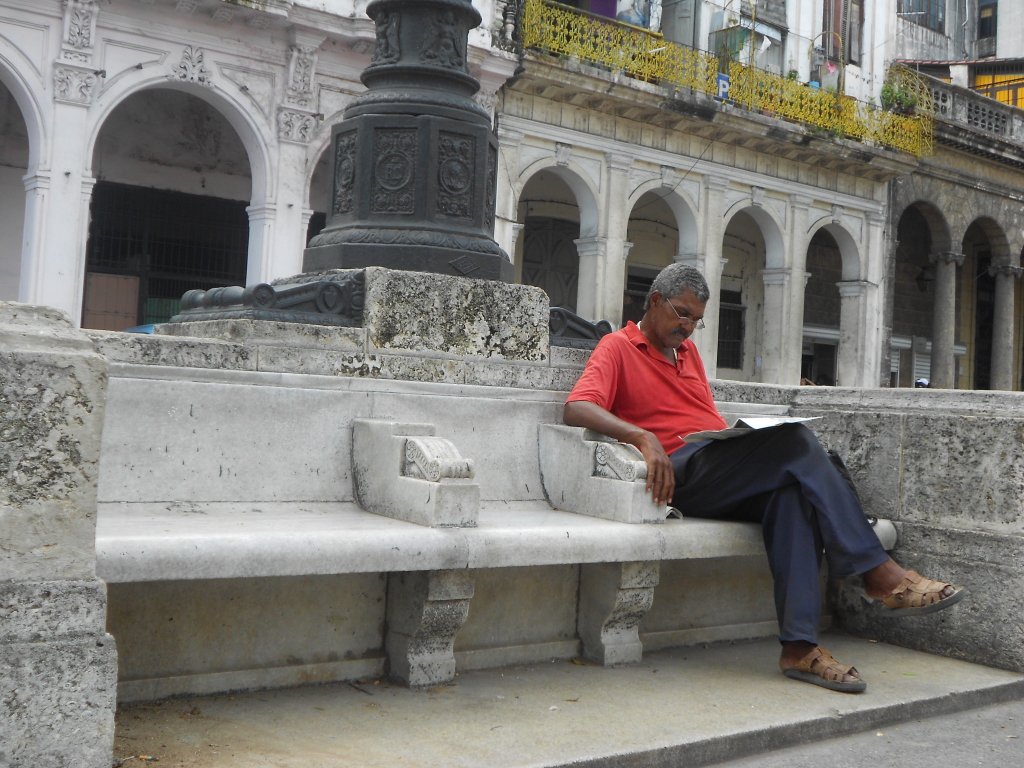
Un cubano americano, que se marchó de Cuba siendo un niño, visitaba la isla por primera vez, luego de treinta años. Por los primeros días de enero, me pidió, muy amablemente, detalles sobre los sucesos ocurridos en el aeropuerto de Florida el viernes 6 de enero, que dejaron un saldo de cinco muertos y una […] Leer más
22 January, 2017
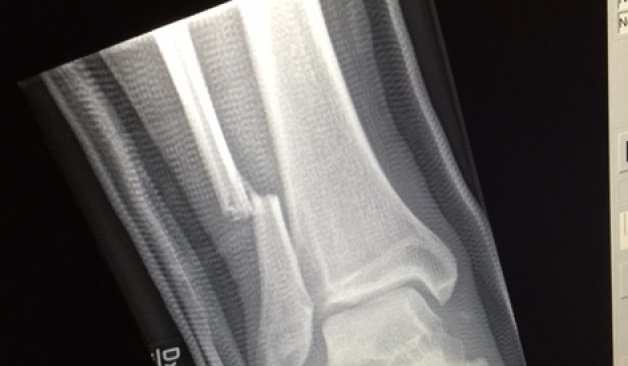
Entrevista a Malvino Maldonado Iglesias ¿Cómo es tu experiencia en los hospitales en los últimos años? Mi experiencia con hospitales y policlínicas es larga. En estas últimas semanas, dura… la verdadera mala suerte comenzó cuando caí de un andamio, pintando mi casa la primera semana de este año. Me fracturé la tibia y el peroné […] Leer más
17 January, 2017
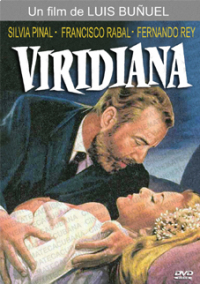
Quizás por error, allá, en los comienzos de la década 1960, los cubanos pudimos disfrutar en los cines habaneros de los filmes más recientes de Luis Buñuel (1900-1983). Cuando las autoridades del régimen castrista se dieron cuenta de lo ¨nocivo¨ de esas imágenes y discursos, quedaron prohibidos para siempre. En España, por esa fecha, pese […] Leer más
12 January, 2017
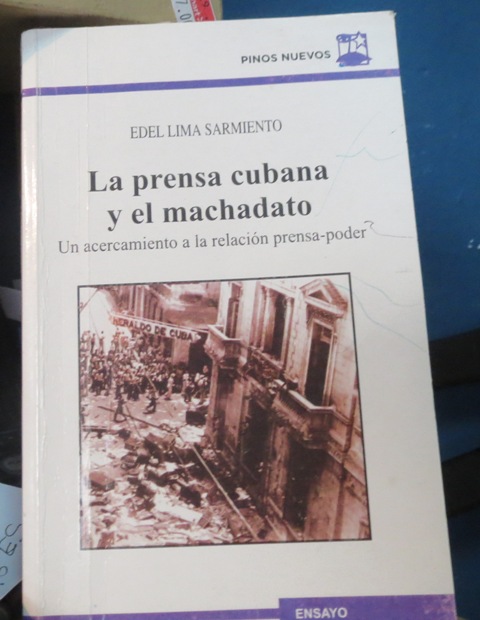
El libro La prensa cubana y el machadato, de Edel Lima Sarmiento, periodista cubano oficialista, fue publicado en 2014 por la Editorial Ciencias Sociales de La Habana. Si tenemos en cuenta la situación que sufre en la actualidad la libertad de prensa en la Isla, el libro quizás debería llamarse La prensa cubana y el […] Leer más
4 January, 2017
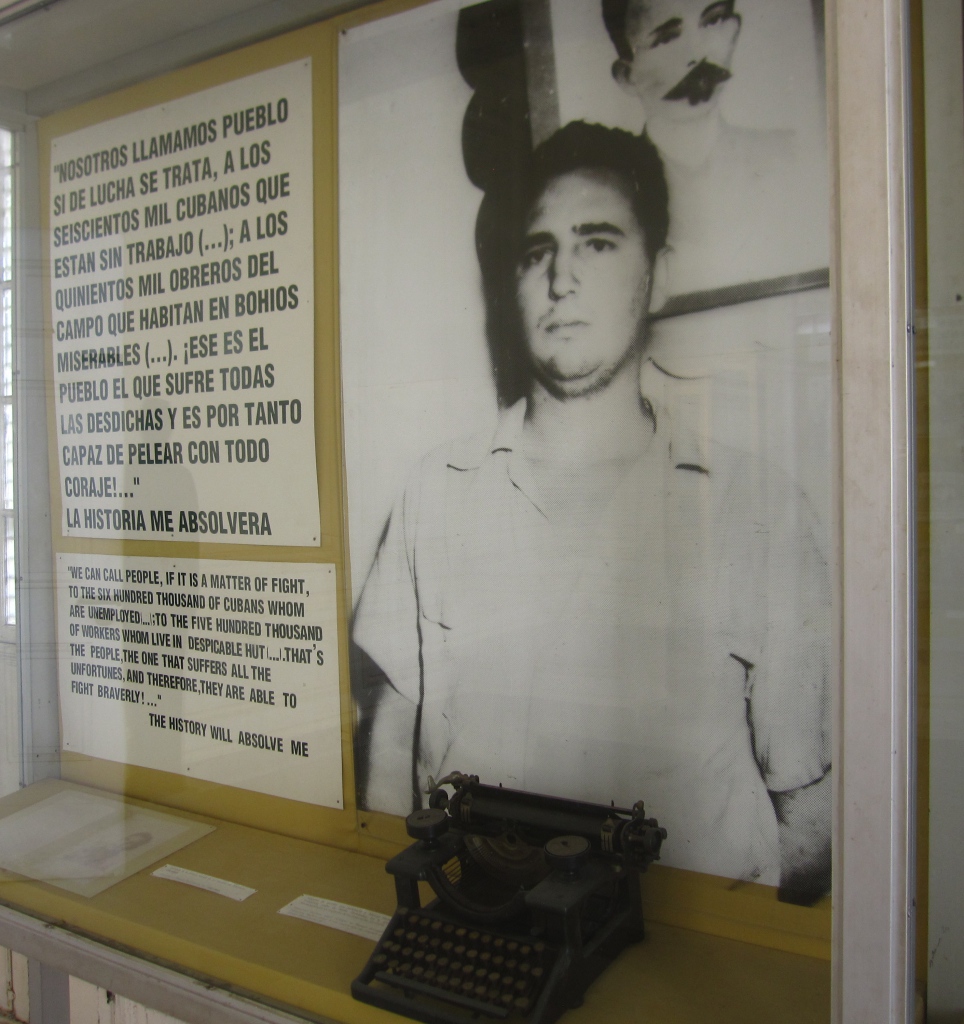
El modelo creado a punta de pistola, delaciones, consignas patrioteras, marchas de reafirmación revolucionaria, racionamientos y éxitos de hojalata (estos últimos vendidos en el mercado internacional como joyas preciadas) sigue en pie, pese a la desaparición de su principal gestor. La muerte de Fidel pasó inadvertida en el día a día cubano, más allá de […] Leer más
29 December, 2016
Fidel ya es cenizas, custodiadas para la historia como reliquias… igual que las momias de los faraones. Mientras, el mundo que dejó atrás continúa su curso. Durante sus exequias, un universo espiritual se levantó sobre el territorio cubano, y señales de todo tipo fueron apareciendo. Por estos días de duelo y de luto, entrevisté a […] Leer más

26 December, 2016
A lo largo de casi setenta años, los historiadores cubanos más exigentes, tanto de la República como de la dictadura castrista, jamás investigaron a fondo la muerte del célebre líder de los trabajadores azucareros, militante y representante del Partido Comunista, Jesús Menéndez Larrondo, ocurrida el 22 de enero de 1948, cuando apenas tenía 36 años. Seguramente, […] Leer más
22 December, 2016
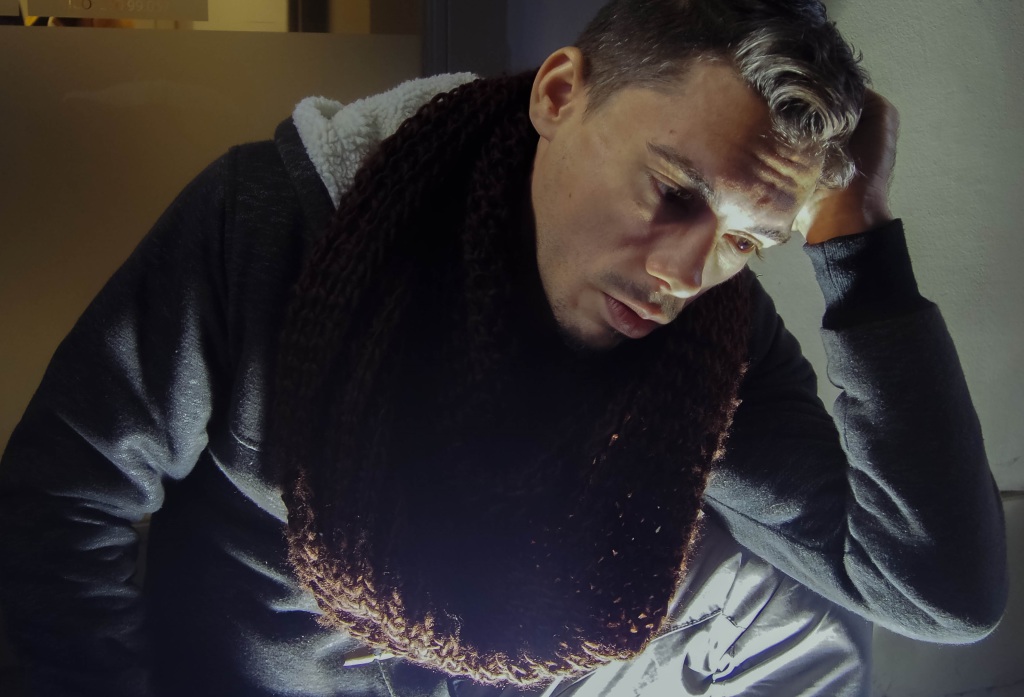
Maykel es una nueva especie en el panorama del periodismo cubano. Lo es, porque habiendo estudiado en la universidad y habiendo desarrollado el comienzo de su carrera en los medios estatales, ha llevado su espíritu crítico hasta el límite de ser expulsado de la emisora de radio en la que trabajaba. Se considera a sí […] Leer más
22 December, 2016
Hoy uno de los fenómenos más interesantes en la sociedad cubana es la proliferación de medios alternativos, independientes, incluyendo aquellos que no obedecen al gobierno pero tampoco a la oposición. Esta riqueza de voces articuladas que se dejan ver, más que oír, sobre todo en soporte electrónico, es una significativa superación de esfuerzos y experimentos […] Leer más
22 December, 2016
UN SISTEMA QUE SE HUNDE En los últimos meses, el papel de la prensa oficial como agencia reguladora del sistema político cubano ha sido desplazado por la denominada “prensa alternativa” y sus jóvenes periodistas, formados en la universidad, que han emigrado de los medios estatales creando nuevos espacios independientes del Estado como El Estornudo, Periodismo […] Leer más
22 December, 2016
A pesar de que el periodismo en Cuba ha cambiado bastante en los últimos años, abriéndose espacios para la prensa independiente y apareciendo nuevas iniciativas alternativas, siguen existiendo tres bloques bien diferenciados. Está la prensa estatal, caracterizada por ser más propaganda que periodismo y soportar una fuerte censura; los medios independientes, expuestos al constante desprestigio […] Leer más

16 December, 2016
Las dictaduras, sobre todo si son totalitarias, se parecen en todo y esta de Cuba, no es la excepción. El Estado, considerado omnímodo porque que abraza y comprende todo, dispone no sólo de los niños, sino incluso hasta de los muertos. Ejemplos hay muchísimos. El mejor ejemplo es el que ocurrió el 26 de abril […] Leer más
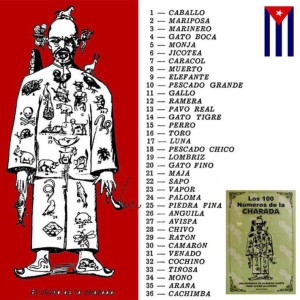
11 December, 2016
Cinco días después del anuncio de la muerte de Fidel, en La Habana o en cualquier rincón del país, se respiraba un ambiente de duelo y luto. Los seis canales de la televisión nacional, todos en cadena, transmitían y retransmitían programas sobre el “Máximo Líder”, “Padre de la Revolución”, mientras su cuerpo regresaba en la […] Leer más
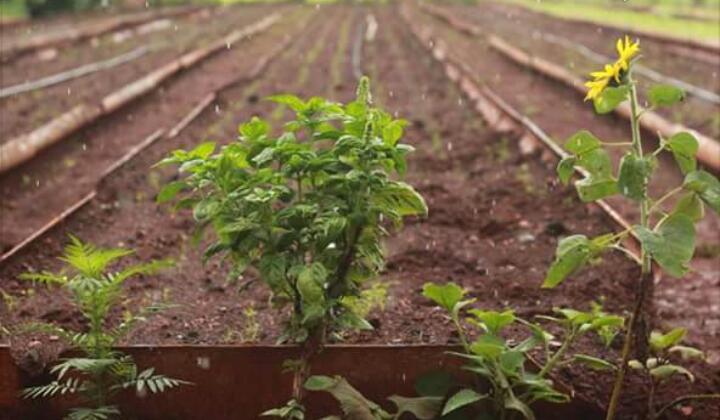
7 December, 2016
Actualmente Cuba está inundada por turistas e inversionistas: a partir de la nueva oleada de tratados y liberación económica, las compañías extranjeras se sienten atraídas a venir aquí a explorar nuevas oportunidades de negocios. Pero ¿qué pasa cuando la agricultura orgánica local choca con el mundo de los negocios agrícolas de los EE.UU?; ¿serán los […] Leer más
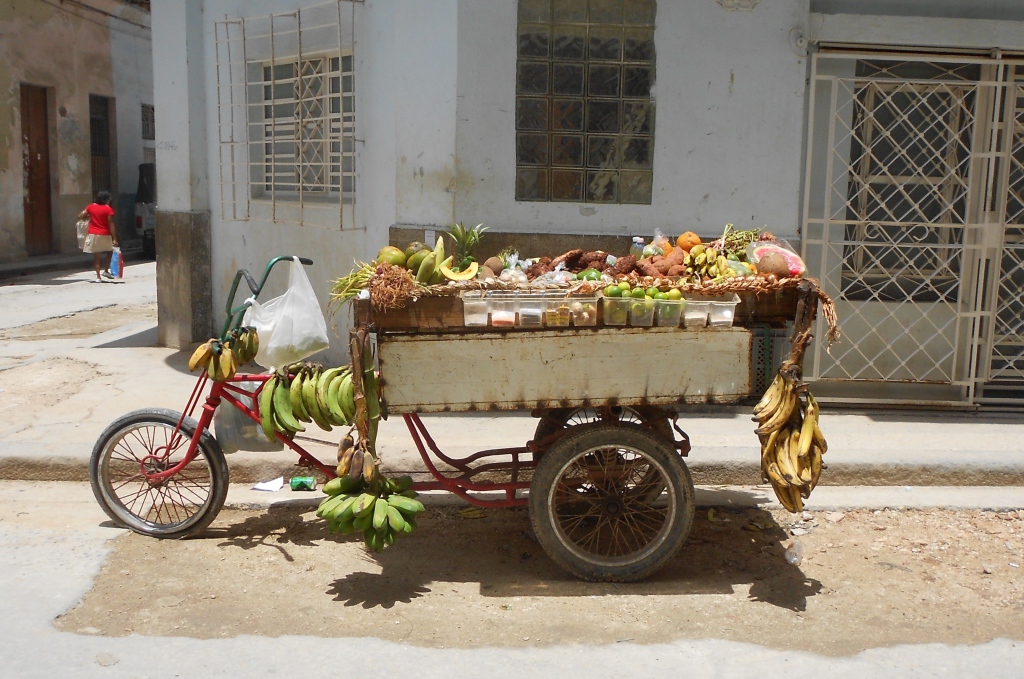
2 December, 2016
Con los oficios por cuenta propia autorizados hace tres años por el gobierno, aparecieron en las calles de Cuba las carretillas ofertando productos del agro, lo cual significó un verdadero alivio para las cocinas cubanas y una nueva fuente de empleo, sobre todo para los jóvenes sin motivación para continuar sus estudios. El resultado fue […] Leer más

25 November, 2016
Las esperanzas de que la nueva administración republicana se implique a fondo en el derrocamiento de la dictadura cubana son pocas. Lo más sensato sería esperar el aumento de la retórica confrontativa y de otras acciones que ayuden poco o nada al avance de la agenda pro-democrática. Precisamente, este tipo de cosas son las que […] Leer más

18 November, 2016
Sin caer en la (in)modestia, debo decir que yo tuve grandes y excelentes amigos. Grandes no porque fueran de gran estatura, sino porque poseían talento y sabiduría. Si dijera sus nombres no tendría para cuando acabar: el poeta Francisco Riverón Hernández, el periodista Bernardo Viera, los escritores Luis Marré, Heberto Padilla, Belkis Cuza Malé, Nicanor […] Leer más
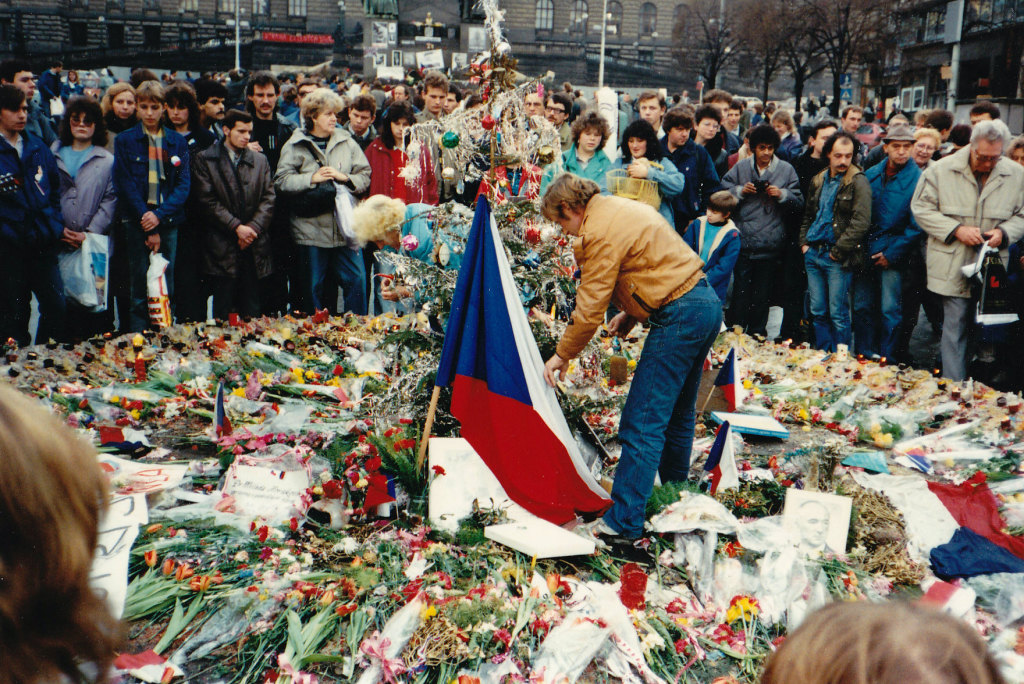
17 November, 2016
«La Revolución de Terciopelo» tampoco está por llegar a Cuba El 17 de noviembre les recuerda a los checos que vale la pena luchar por la libertad. En estos días, los checos celebran 27 años de haber derrocado el comunismo. Después de 41 años, la Revolución de terciopelo le devolvió a este país su democracia […] Leer más

11 November, 2016
El sábado 22 de octubre se reunieron en Miami unos trescientos periodistas, en su mayoría cubanos, celebrando el Día Nacional del Periodismo Libre en Cuba. Por desgracia, la prensa independiente de nuestro país no conoce la fecha, ni los orígenes y, menos aún, a la gente para la que los independientes trabajan y trabajamos. Jesús […] Leer más
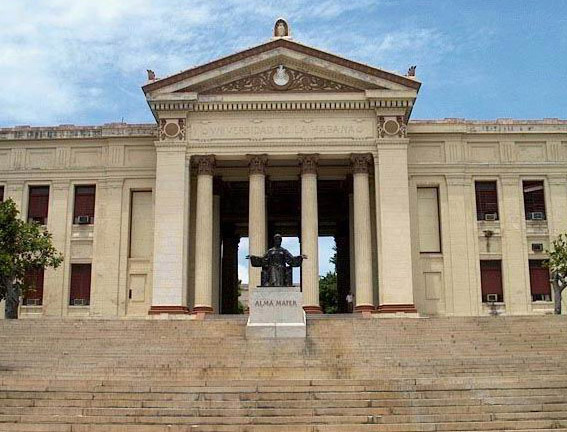
4 November, 2016
Fundada en 1728 por frailes dominicos, la Universidad de La Habana fue democrática durante 231 años. Por qué no dejó de serlo cuando reabrió sus puertas el 11 de mayo de 1959, ya producida la revolución, es una historia aún por conocerse, y resulta curioso que la prensa jamás haya tocado el tema. Efectivamente, las […] Leer más
1 November, 2016
El dueño de la empresa de promoción artística, cultural y deportiva DSL S.A., Dayron Serrat Lugo, fue sentenciado a diez años de privación de libertad por un supuesto tráfico ilegal de personas. Este joven empresario realizaba gestiones para que profesionales de la salud, el deporte y la cultura viajaran a México, donde les proporcionaba empleo, hospedaje, seguro […] Leer más

28 October, 2016
Luis Pérez Perdomo se llamaba. Tenía una impresionante personalidad y, por la barba y su uniforme verde olivo, apariencia de haber sido guerrillero. Lo conocí en la casa de unos amigos los primeros días de 1959. Estaba recién llegado a La Habana para participar como abogado en los juicios que se celebraban en la Fortaleza […] Leer más
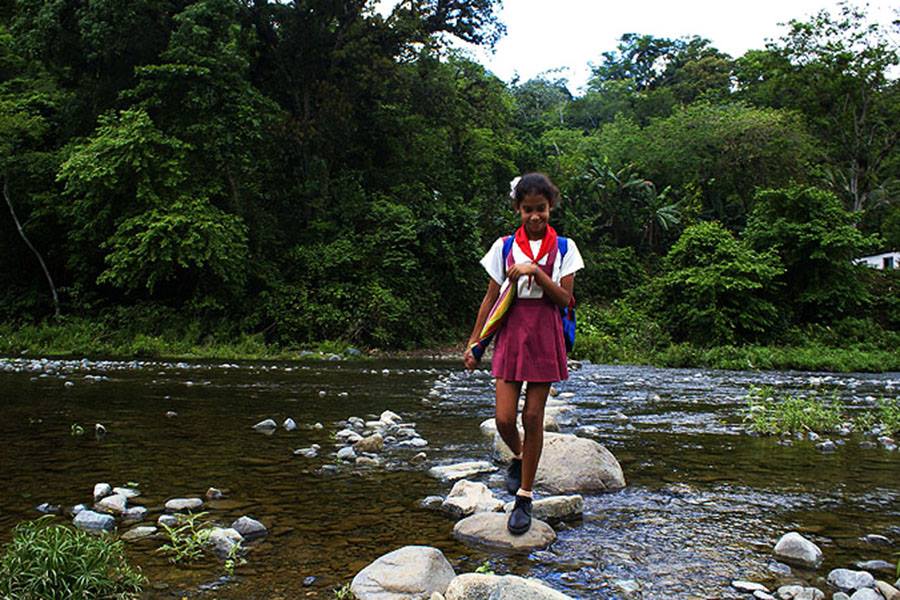
21 October, 2016
En Cuba, aunque la educación es gratuita, los recursos que necesitan los padres para que sus hijos asistan a la escuela resultan muy altos en comparación con los salarios que perciben. Neuriyis es una madre soltera de dos niñas que han comenzado este año el primer grado. Cuenta que proveerlas de útiles y otros objetos […] Leer más

14 October, 2016
Una ciudadana deambula por las calles de la capital con un cartel y reclama su vivienda. Se trata de Miriam Castañedo Morales, quien denuncia desde hace años que la Dirección Municipal de la Vivienda le quitó su casa cuando ella estaba en prisión. “Vivía sola, en una casa de tres cuartos en la Habana Vieja […] Leer más
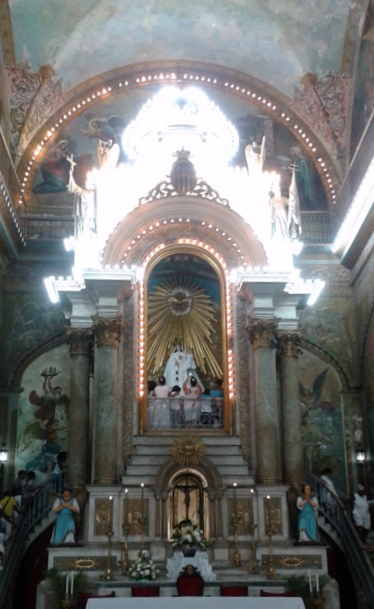
7 October, 2016
La noticia de este 24 de septiembre, onomástico de la Virgen de la Merced, es que las autoridades gubernamentales permitieron la salida a las calles de su blanca imagen inmaculada, seguida por miles de fieles desde la Iglesia que lleva su nombre en la Habana Vieja. El suceso no ocurría desde hace décadas, puesto que […] Leer más
27 September, 2016
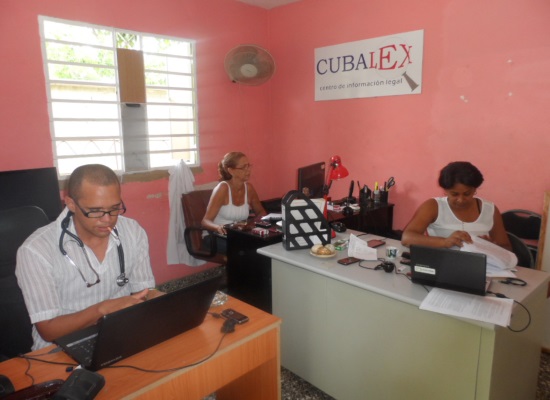
Fue a finales de 2012 cuando oí por primera vez hablar de Cubalex. Un grupo de abogados independientes que presta asistencia jurídica gratuita a la sociedad civil, desvinculado de los bufetes colectivos, y que defiende a víctimas de abusos de derechos humanos en Cuba. ¿Así, sin más? ¿Sin tener problemas? Sonaba demasiado complicado… Efectivamente sí […] Leer más
26 September, 2016
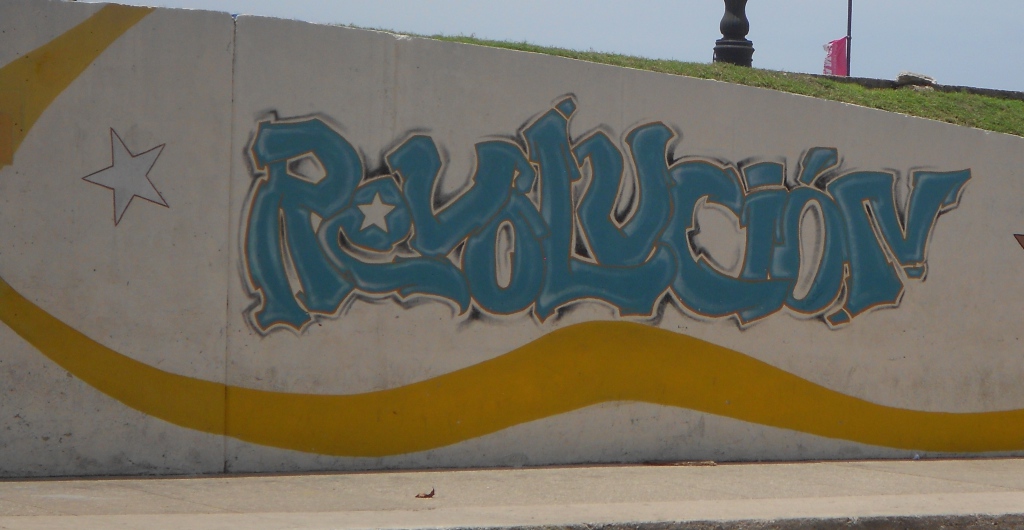
Vale la pena conocer bien nuestro pasado. Es seguro que por aquellos días, a principio de 1952, Fulgencio Batista había leído las graves denuncias que envió Fidel Castro al Tribunal de Cuentas. Las mismas fueron también publicadas en el periódico Alerta, dirigido por el periodista Ramón Vasconcelos, fuerte admirador de Fidel. Las contundentes acusaciones del joven […] Leer más
22 September, 2016
Entre la verde espesura del municipio guantanamero de Bayate, donde el calor penetrante se vuelve enemigo acérrimo de los hombres y mujeres, se vislumbra un campamento al que los reclusos llaman el Infierno Verde. Infierno de calor, infierno por la espesura de la vegetación, infierno porque la vida se vuelve infrahumana bajo esas condiciones. Para […] Leer más
19 September, 2016
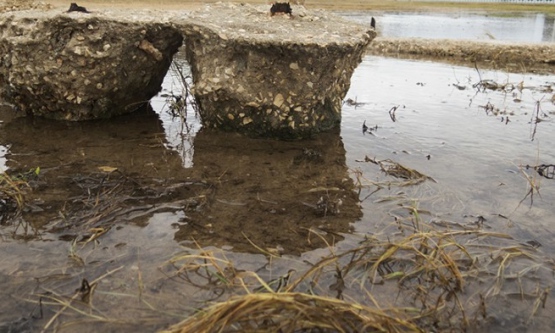
El día 11 de julio de 1997, la Asamblea Nacional del Poder Popular aprobó la denominada Ley del Medio Ambiente, donde quedó consignada la necesidad de “consagrar, como un derecho elemental de la sociedad y los ciudadanos, el derecho a un medio ambiente sano, y a disfrutar de una vida saludable y productiva en armonía con […] Leer más
23 August, 2016
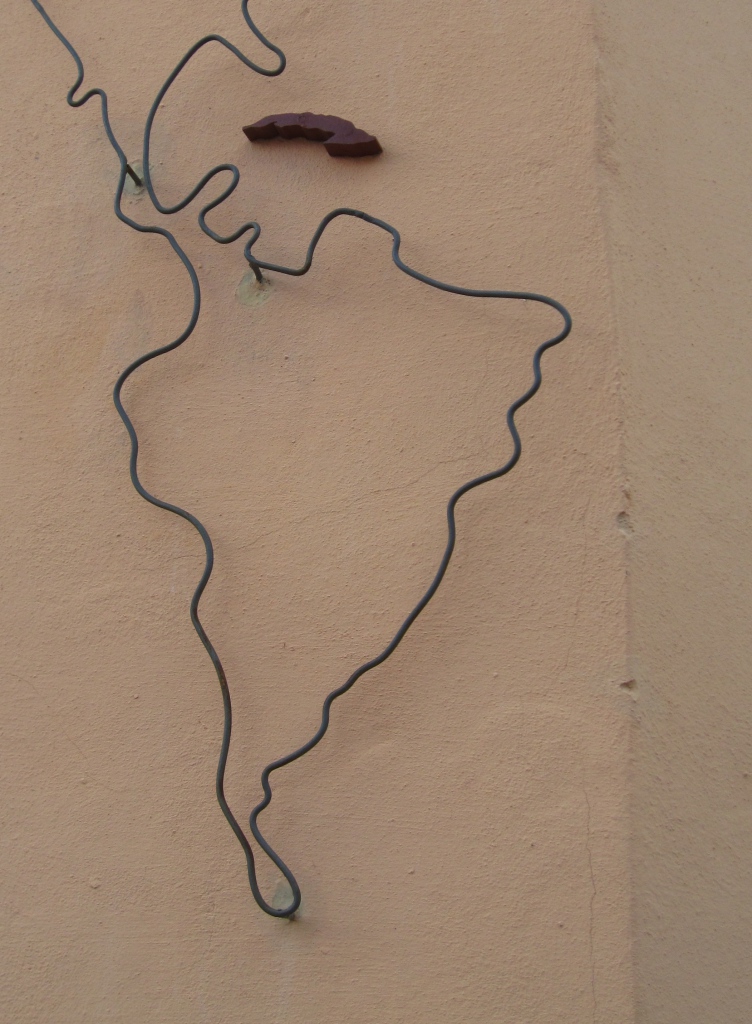
Armando Rey, 50 años, natural de La Habana, era uno de los tantos cubanos que pensaban que su vida se extinguiría sin conocer otro país. Pero la suspensión de la “Tarjeta blanca”por parte del gobierno coincidió con una invitación a Buenos Aires y en poco tiempo se vio montado en un avión dispuesto a conocer el […] Leer más
16 August, 2016
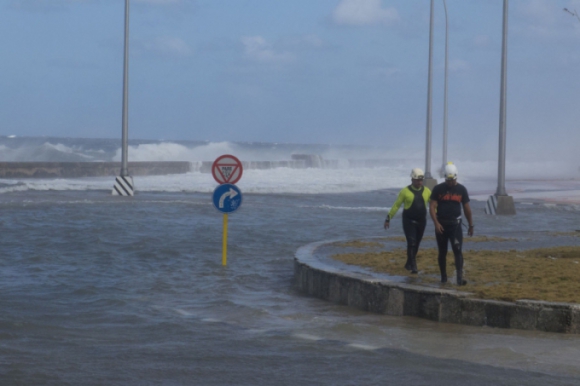
Llovía a cántaros como era costumbre decir, pero yo diría que llovía más a cubos que a cántaros. De esa manera recogíamos el agua para engañar a la escasez. Cubos que vaciábamos en un tanque hasta la mitad porque la otra parte estaba llena de huecos por los golpes de los años y de la […] Leer más
9 August, 2016
Tengo casi 60 años, soy de de una zona rural de Cuba. Mis padres eran obreros, mi abuelo paterno era campesino agrícola sin tierras, y mis abuelos maternos, campesinos y propietarios de tierras. Recuerdo que estaban atravesadas por un arroyo de curso intermitente, que formaba pequeños charcos y en ellos abrevaban los animales casi todo […] Leer más
26 July, 2016
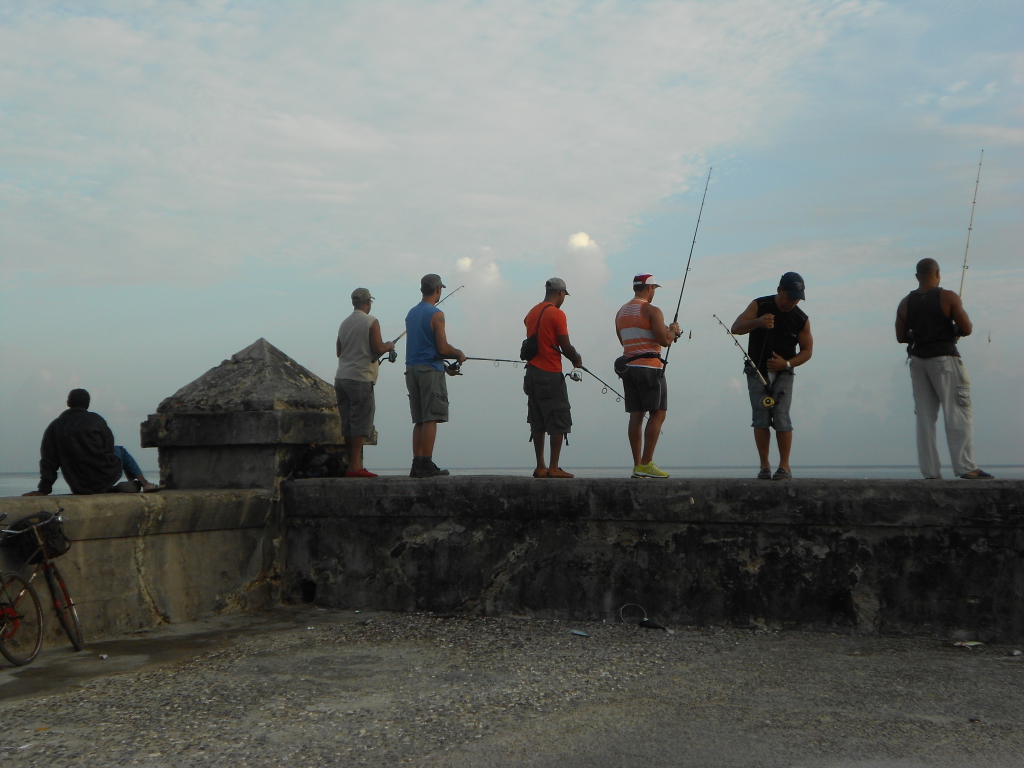
La huella dejada por Hemingway en Cuba es imborrable. Además de su obra literaria y periodística, donde reflejó maravillosamente a La Habana y a Cuba, el hotel Ambos Mundos, donde escribió novelas, la finca Vigía donde vivió por veinte años, el bar Floridita, que honra su trago predilecto, y el complejo turístico Marina Hemingway, que […] Leer más
18 July, 2016
Imaginemos por un instante qué sería de Cuba si a los norteamericanos se les ocurriera construir un túnel submarino desde La Florida. La idea no sería descabellada. Túneles de ese tipo hay muchos. En la actualidad, el construido en Zúrich, con 57 kilómetros de longitud y 2300 metros bajo los Alpes suizos, considerado como ¨la […] Leer más
12 July, 2016
En los dominios del totalitarismo tropical hay una especialidad que por estos días ha tomado fuerza y que apunta a, aparentemente, continuar repitiéndose. Los cuatreros a los que me refiero son los que entran en las casas sin capuchas y como un tromba para llevarse cualquier cosa, incluso notas personales, libros y hasta un testamento. […] Leer más
11 July, 2016
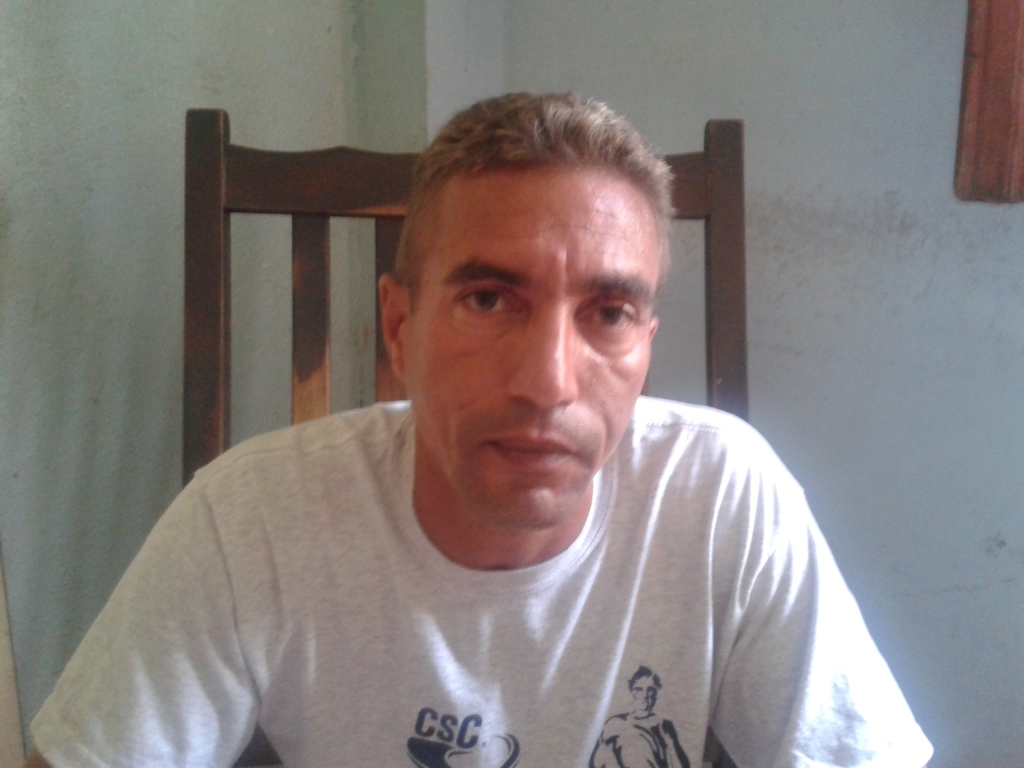
Yobel Sevila Martínez, activista de Guantánamo, se enfrenta a 5 años de trabajo correccional con internamiento tras un proceso viciado. Su caso engrosa la lista de presos políticos en el país. ¿Hay presos políticos en Cuba? El 21 de marzo de este año, durante la visita a Cuba del presidente estadounidense Barack Obama, un periodista […] Leer más
11 July, 2016
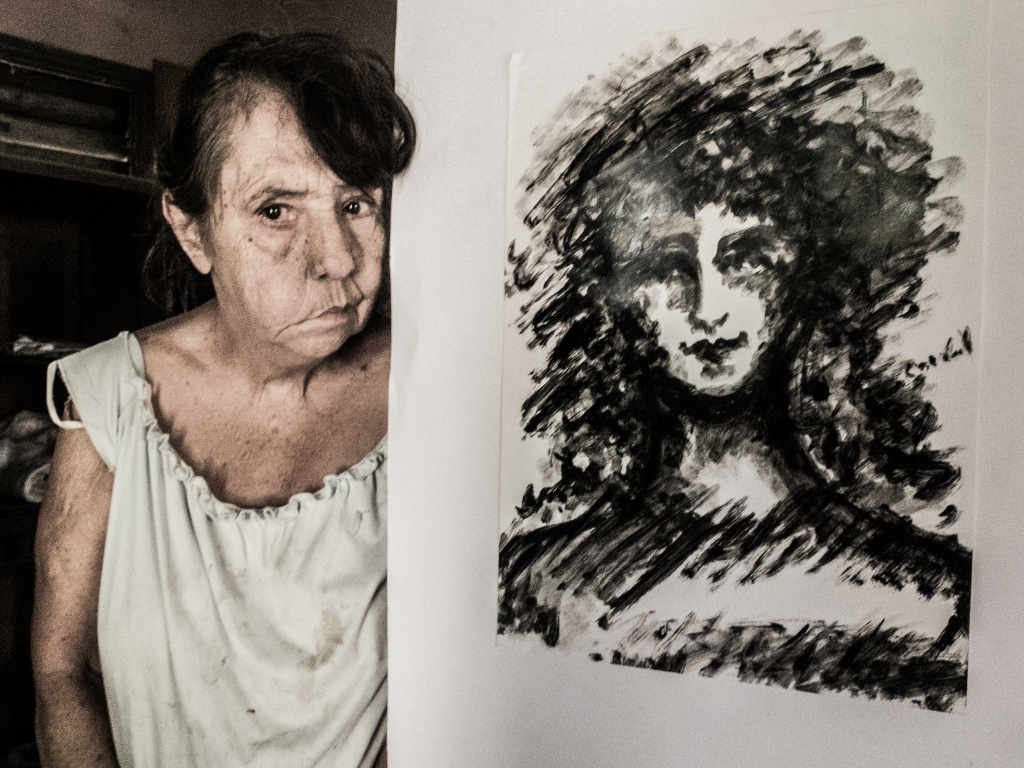
Caridad Hernández Carlos es una anciana que desde hace más de 60 años vive en la calle Campo Santo de la Ciudad de Camagüey. Caridad, o Cachita, como suelen llamarla sus amigos, es una artista plástica graduada en la Academia de San Alejandro en La Habana. Un rostro deformado desde su infancia, una casa vieja […] Leer más
11 July, 2016
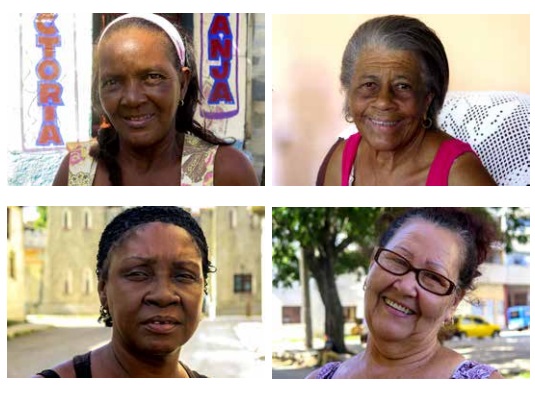
Aunque casada con Cheo “el guapo”, Milagrito era la alegría para los niños del barrio. Vivía a dos casas de la mía, con dar solo una corridita desde mi patio, sin necesidad de saltar cercas —en Chincha Coja, reparto marginal donde nací, todos los patios se compartían— llegaba al suyo que tenía las ciruelas y […] Leer más
11 July, 2016
A pesar de lo mucho que se habla de Cuba, de su situación política y social, y de los cambios que se están produciendo en la isla en los últimos años, poca o ninguna atención se presta la situación de las mujeres en el país, cuyos derechos humanos quedan eclipsados en aras de la lucha […] Leer más
8 July, 2016
Cuba gasta U$D 2000 millones cada año importando alimentos que podría producir en casa. El gobierno invierte decenas de millones de dólares en la ganadería e importa insumos para los campesinos pero muchas veces estos no llegan a su destino. En el puerto de La Habana hay 2 almacenes repletos de fertilizantes echándose a perder […] Leer más
4 July, 2016
Tendrás que esperar a que ellas se acuesten. A esta hora lavas con el poco detergente que hay gracias a la chequera de tu madre, porque ustedes no saben hacer negocios. Trata de aprender. Vende dulces, rositas de maíz o algo así. Crees que te va a dar lo que quieres. Boba. Mientras estés sentada, […] Leer más

1 July, 2016
La semana comenzó caliente en La Habana. Eran las 9 de la noche del lunes cuando en el Parque Central ocurrió una riña tumultuaria. Un grupo de travestis se enfrentaron a los llamados “pingueros” (homosexuales masculinos). El saldo preliminar fueron cuatro heridos por arma blanca y no menos de diez detenidos. Según un travesti que […] Leer más
27 June, 2016
Cuando Fidel Castro se hizo con el poder político en Cuba tras la fuga de Fulgencio Batista, una de las primeras medidas que tomó para no perder poder fue el suprimir la libertad de expresión, reglamentada desde 1948 a través de la Declaración de los Derechos Humanos. Su primer paso lo dio en la Biblioteca […] Leer más
25 June, 2016
Muchos medios internacionales han dedicado artículos completos acerca de cómo Cuba está cambiando. Cuando en efecto existen algunos cambios que acercan a Cuba a sus vecinos Latinoamericanos, los cubanos siguen perdiéndose de muchas cosas que son bastante normales en el resto de la región. Diez cosas que los cubanos aún no pueden hacer incluyen: Ganar […] Leer más
31 May, 2016
En mi juventud fui miembro fundador de la Unión de Escritores y Artistas de Cuba -UNEAC-, y debo decir que, pese a todo, la institución siempre procuró ayudar al desarrollo cultural de los cubanos. Lo triste es que nunca han podido. Desde sus inicios, en 1961, chocó con un muro debido a ciertas políticas aplicadas desde […] Leer más
27 May, 2016
Políticos, analistas y académicos, de socialistas a liberales, han abordado la importancia de la democratización política y económica de la sociedad cubana, como base para el deseado despegue hacia el desarrollo y modernización de la nación. Para un sector de la izquierda democráticas y para no pocos nacionalistas, esa democratización sería además, una garantía estratégica […] Leer más
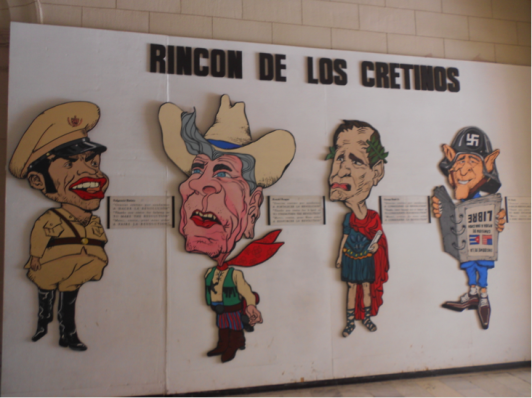
24 May, 2016
Un retirado de las fuerzas especiales del Ministerio del Interior -al que llamaremos Kiki- reflexiona junto a mí sobre lo que ha sido su vida y en lo que ha desembocado la visita de Obama a Cuba. Aunque se manifieste en contra de este gobierno revolucionario debido a la ineficiencia del sistema productivo y a […] Leer más
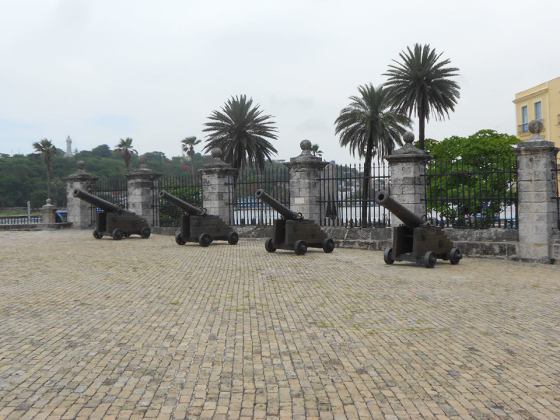
20 May, 2016
Escenario de filmaciones para un filme hollywoodense de una popular saga de acción, pasarela para un desfile de modas de la exclusiva casa Chanel, y desde hace pocos días punto de atraque de navíos turísticos de la mayor corporación de cruceros a nivel mundial, por estos días la capital cubana ha estado cubriendo su costra de […] Leer más
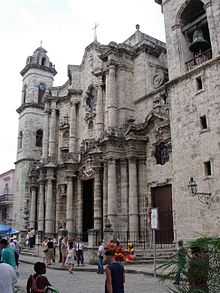
18 May, 2016
Orlando Márquez anunció públicamente su renuncia al cargo de vocero oficial del Cardenal Jaime Ortega, arzobispo de La Habana, y a su condición de Director de Palabra Nueva, revista auspiciada por la misma arquidiócesis. Coincidencia o no, fuentes anónimas aseguraran además que el Cardenal ha comenzado su retiro hacia el vetusto edificio del antes Semanario […] Leer más
13 May, 2016
El liderazgo del Partido Comunista Cubano ha vuelto a manifestarse en contra de otras organizaciones políticas que nada tengan que ver con el marxismo-leninismo o doctrinas afines. Es claro que las instituciones y organizaciones que rigen el destino del país desde comienzos de la década del 60 quieren mantener a toda costa la unanimidad entorno […] Leer más

10 May, 2016
El difunto colega Luis Báez, autor de varios libros, entre ellos Secretos de Generales (1997), no se equivocó para nada cuando dijo que los acontecimientos que se narran, son los que no se olvidan. En aquella oportunidad se refería a la vida del General de Brigada Juan Escalona Reguera, a quien incluyó en su famoso […] Leer más
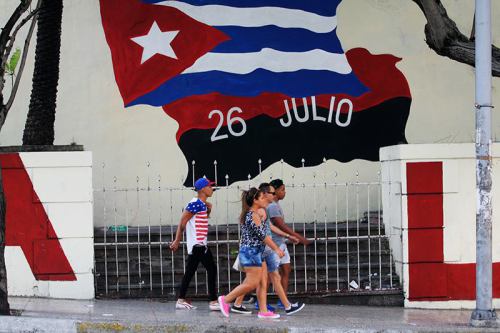
6 May, 2016
Granma, medio oficial del Partido Comunista de Cuba (PCC), había informado que los trabajadores de la Salud Pública abrirían la marcha del pasado 1 de mayo. No resulta extraño. Los médicos finalmente son uno de los principales proveedores de divisas en la economía nacional. Casualmente, cerca de la fecha llegaron del Ecuador los cadáveres de tres […] Leer más
3 May, 2016
En un Congreso del Partido Comunista se pide eficiencia y organización en la actividad estatal, sobre todo en lo relacionado con la alimentación del pueblo. Muy cerca en el agromercado de Jaimanitas, paradójicamente, tuvieron que botar casi cien sacos de papas echados a perder. La administradora de El Provenir, establecimiento que pertenece a la Cooperativa de […] Leer más
29 April, 2016
Los alumnos de las escuelas primarias y secundarias esperaban con ansias y expectativas la llegada del receso escolar de marzo, pero, desafortunadamente, las pocas y limitadas opciones de recreo existentes, lo caro de los juguetes y la falta de buenos servicios dificultó el buen aprovechamiento del tiempo libre. Un ejemplo es el de Danay Vega […] Leer más
26 April, 2016
Seguramente el comandante Ramiro Valdés Menéndez, vicepresidente del Consejo de Estado y del Consejo de Ministros, se sentiría más cómodo desempeñando su trabajo de toda la vida al frente del Ministerio del Interior –fundado, por cierto, por él mismo en los albores de la Revolución castrista- que en el puesto que le han asignado no […] Leer más
22 April, 2016
Pedro Figueredo Perucho, vecino de Palma Soriano fue trasladado la semana pasada al hospital de Santiago con insuficiencia renal aguda, fiebres, escalofríos y pérdida del conocimiento. Aunque sus familiares se esforzaron en ingresarlo, les resultó imposible, ya que los médicos dictaminaron que su tratamiento debía realizarse en casa o, eventualmente, en su localidad de residencia. […] Leer más
19 April, 2016
Raudel Luna Morffi es un fontanero cubano que trabaja en el polo turístico Jardines del Rey en la provincia de Ciego de Ávila, en la zona oriental de la Isla. La notoriedad con la que hoy cuenta no proviene, sin embargo, de su excelencia laboral. En su edición del lunes 7 de marzo, el semanario […] Leer más
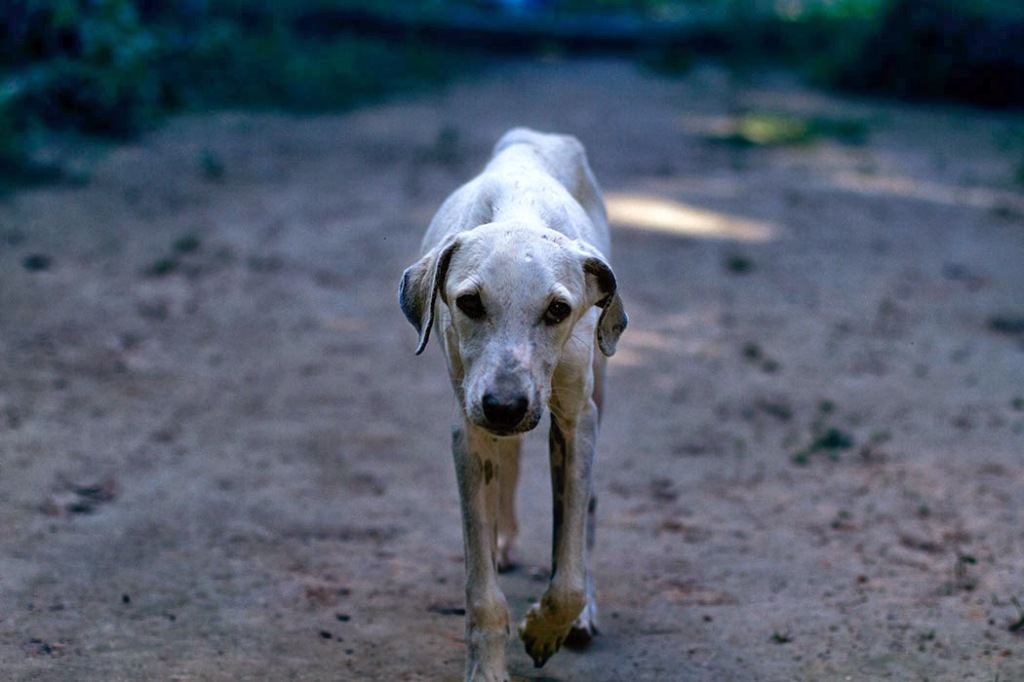
15 April, 2016
Viajábamos en un microbús de las nuevas cooperativas de transportistas asociados con el Estado. Por la cercanía entre los asientos no pude evitar escuchar una conversación que aún hoy encuentro difícil de clasificar. En algún momento, volteé la cabeza para ver quién hablaba sobre aquel tema tan espeluznante que me llevó a pensar en la […] Leer más
12 April, 2016
Guantánamo, provincia ubicada al oriente de Cuba se está viendo afectada por una intensa y prolongada sequía desde hace tiempo. Actualmente, los embalses acumulan sólo un 41% de su llenado, y el director de la Empresa de Aprovechamiento Hidráulico en la provincia, Francisco Osmali Cusco Matos, ya expresó hace varias semanas que, de no llover […] Leer más
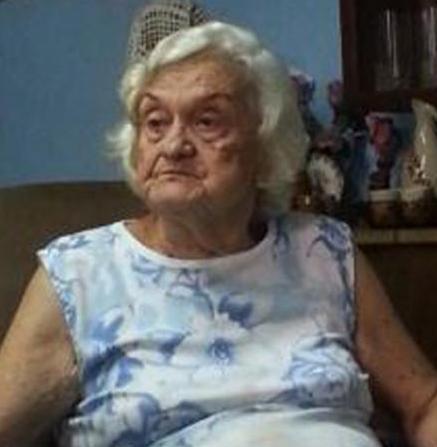
8 April, 2016
Hace varios meses que pienso en escribir sobre Evarista, una anciana que ha obtenido celebridad por su personaje de vendedora ilícita en la televisión cubana. Aris Teresa Bruzos Núñez, actriz que interpreta a Evarista, me recuerda a Eloísa Álvarez Guedes que, por largo tiempo a partir de 1953, encarnó el personaje de una humilde campesina […] Leer más
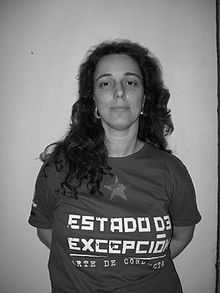
5 April, 2016
El instituto de arte y activismo que Tania Brugueras ha abierto no hace mucho en La Habana surgió al comprender que mucha de la violencia que existe en el mundo se genera a partir del miedo y como respuesta a las cosas que la gente no sabe manejar. Su lugar de trabajo está ubicado en […] Leer más
5 April, 2016
Informe trimestral enero-marzo 2016 Enero En el mes de enero, la Comisión Cubana de Derechos Humanos y Reconciliación Nacional (CCDHRN) documentó 1414 detenciones por motivos políticos, una de las cifras mensuales más altas en los últimos años.[1] Respecto a las detenciones, el Observatorio Cubano de Derechos Humanos (OCDH) con sede en Madrid, denunció en su […] Leer más
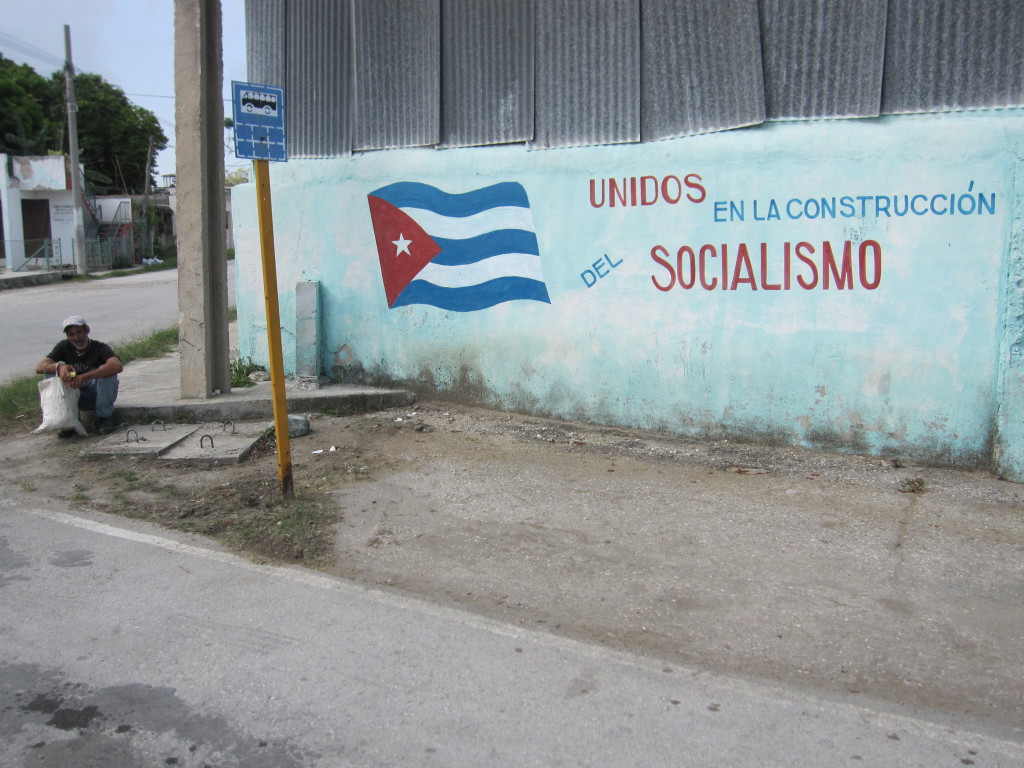
1 April, 2016
Argimiro Caro fue un activista por la democracia en Cuba hasta emigrar a otras tierras en 2005. Me juró una vez, hace mucho, estar convencido de que en una visita al dentista, le habían insertado un chip en una pieza para mantenerlo localizado. “¿No ves una sombra oscura dentro de la muela? Ahí está. Además […] Leer más
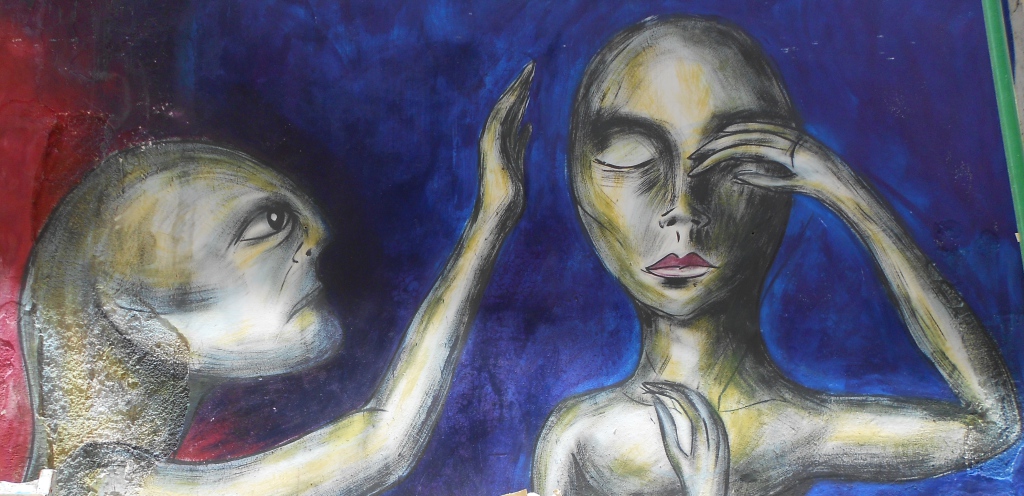
29 March, 2016
Si hacemos una seria reflexión sobre las consecuencias que el experimento comunista ha traído a Cuba, no nos será difícil comprender que la revolución de Fidel Castro fue lo peor que pudo haber ocurrido en nuestro país. Aún así, no hay forma de que pueda justificarse el golpe de estado de Fulgencio Batista en 1952, […] Leer más

24 March, 2016
Maño ya pasó los cincuenta, pero desde muy joven ha sido el mejor jugador de dominó de Cuba. Vive en Guantánamo, en una casa de las peores de su barrio. Hace unos cuantos años viajó a España para participar en el campeonato mundial de dominó, donde obtuvo el primer lugar. Ahora me cuenta cosas interesantes […] Leer más
22 March, 2016
Un domingo por la mañana hace pocas semanas, las fuerzas de seguridad detuvieron a tres personas que ofertaban carne de res por el reparto Nueva Aurora de Santiago de las Vegas, y en el momento en que varios pobladores hacían la cola para comprar su carne de fin de semana. Los comerciantes, dos hombres y […] Leer más
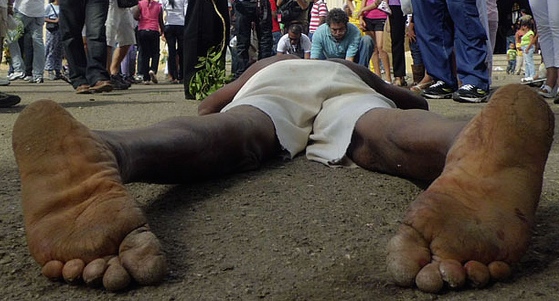
18 March, 2016
Si es verdad, como bien lo afirma la revista Bohemia del 29 de noviembre de 2013, que “en Cuba existe hace más de 25 años la Industria Cubana de Equipos Médicos que elabora muebles hospitalarios de calidad exportable” ¿por qué entonces las camas y camillas en nuestros hospitales son tan pocas o están tan destartaladas? […] Leer más
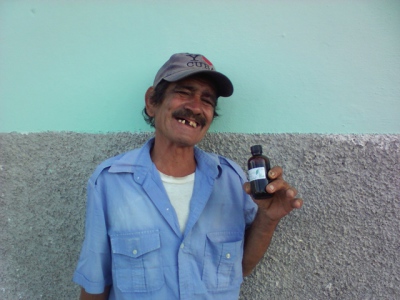
4 March, 2016
El profesor colombiano Efrén Delgado, Director de la Universidad de los Trabajadores Latinoamericanos (UTAL), define a los cubanos como las personas más recursivas del planeta gracias a su capacidad de adaptarse perfectamente a cualquier circunstancia y encontrar las soluciones más increíbles a los problemas. Prueba de ello fue la resolución de un rompecabezas extremadamente complejo a […] Leer más
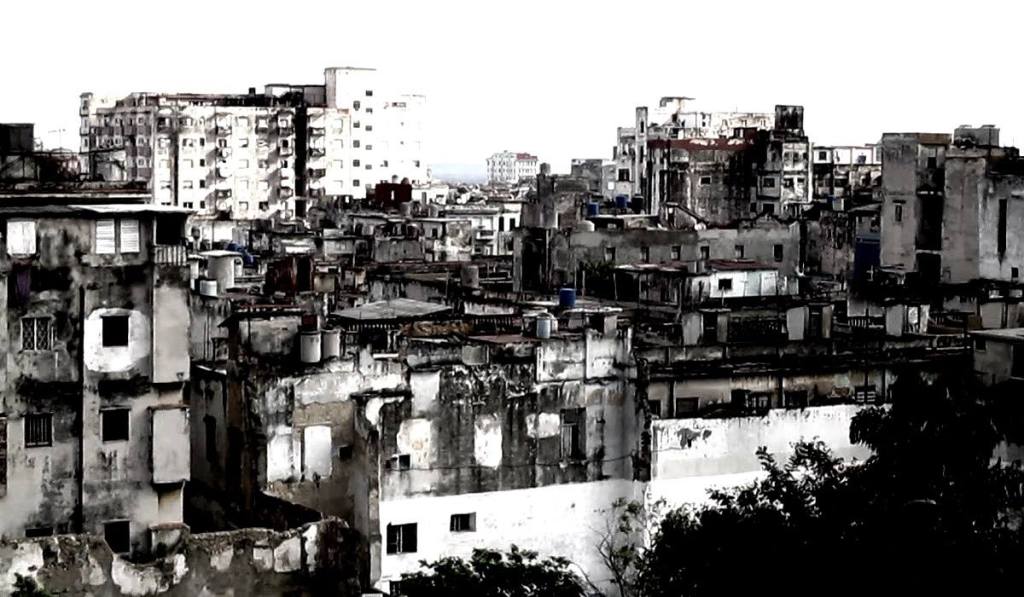
1 March, 2016
Las instituciones estatales responsables de la higiene y embellecimiento de la ciudad le dan atención diferenciada tanto a las zonas turísticas, como a las áreas donde vive la cúpula gobernante. Definitivamente, esto es un hecho. En la reciente reunión del Consejo de Ministros, Raúl Castro expresó: “tenemos que desarrollarnos […] tenemos la posibilidad de hacerlo, […] Leer más

25 February, 2016
La editorial española Hypermedia acaba de publicar La Otra Cuba, disponible en formato digital, gratis para los cubanos a través del sitio web de la propia institución de referencia. Paulatinamente se incorporará además a las bibliotecas independientes de nuestro país. En sus doscientas páginas el libro recopila diez reportajes elaborados por igual número de periodistas […] Leer más
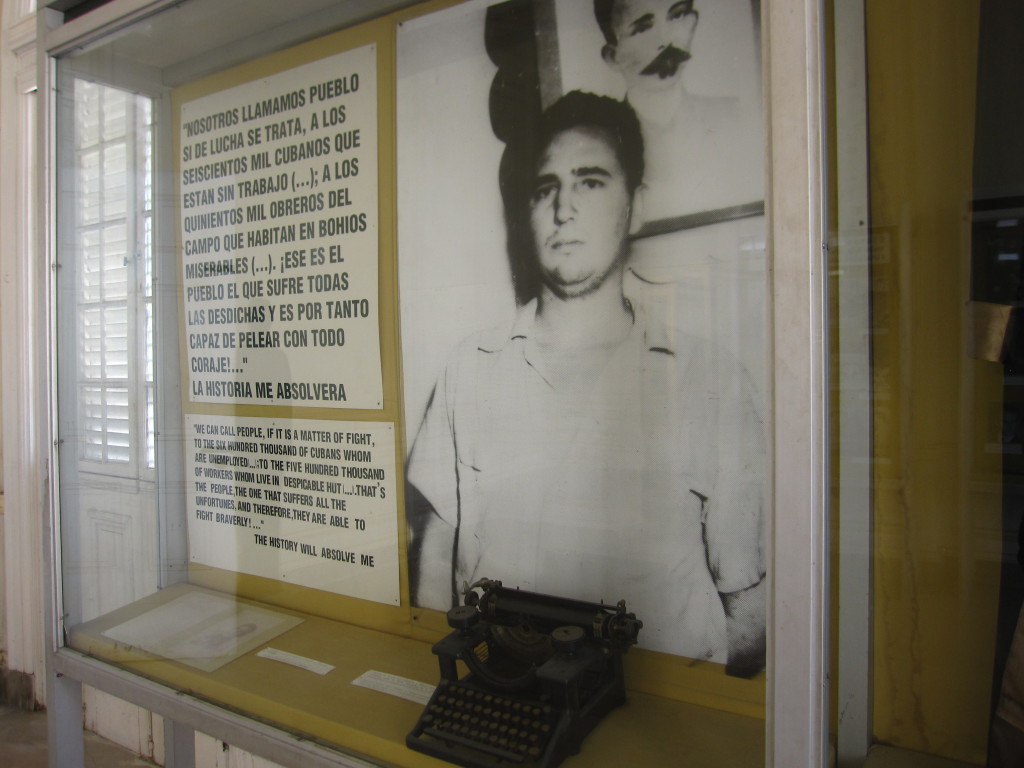
23 February, 2016
El Partido Comunista de Cuba debería irse acostumbrando al eventual final del unipartidismo en nuestro país, siempre legitimado por Fidel Castro desde los tiempos de la Revolución. Por aquella época, Fidel había fundado dos partidos: el Movimiento 26 de julio (M-26-7) y el Partido Comunista de Cuba (PCC), y él mismo militaba en el Partido […] Leer más
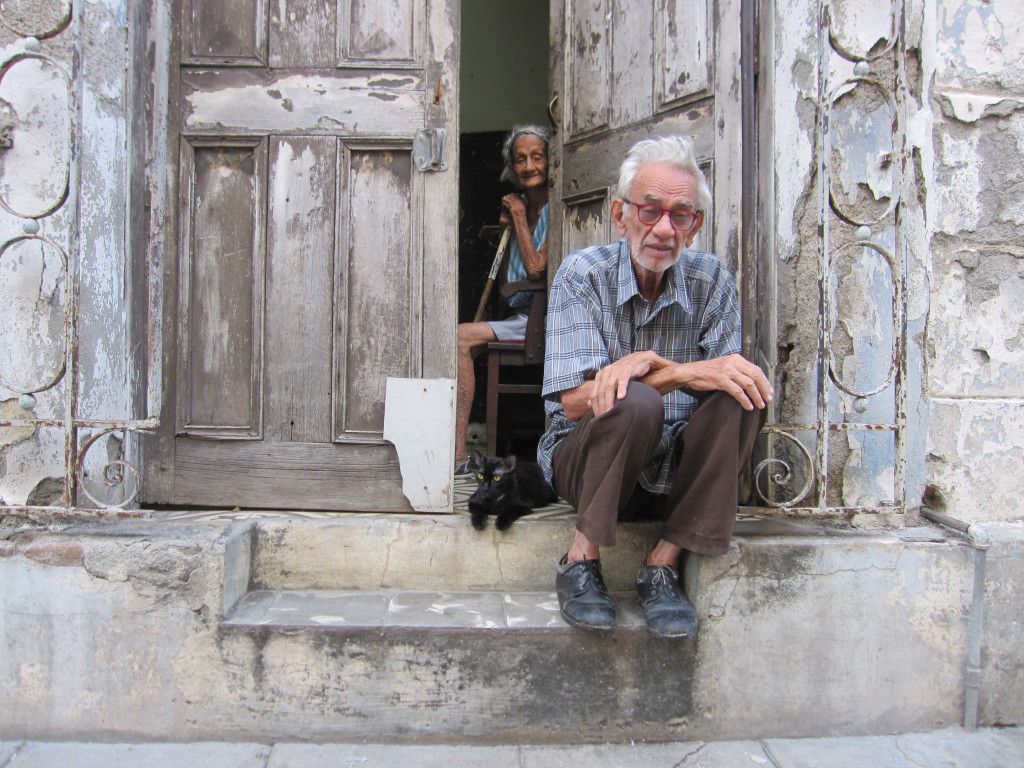
23 February, 2016
En cada una de las Sesiones de la Asamblea Nacional del Poder Popular de los últimos años, el Ministro de Salud de turno expone frente a la Comisión de Salud y Deportes, diferentes aspectos sobre la situación sanitaria nacional. En 2015 el Ministro en funciones, Roberto Morales Ojeda, declaró que “el país está mejor preparado […] Leer más

19 February, 2016
La noticia sobre la eventual visita del mandatario norteamericano a Cuba antes del cierre del primer trimestre de 2016 se revela como la coronación de un proceso inmune a toda reversibilidad. En principio, queda claro que esta tenencia en pos del acercamiento continuará más allá del relevo presidencial estadounidense del próximo noviembre, independientemente de la […] Leer más
15 February, 2016
Cuba no es sólo una hermosa isla de belleza y biodiversidad incomparables, sino también un país con múltiples retos medioambientales, tales como la proliferación de vertederos ilegales y agresivos programas agroforestales y energéticos. PIN, en colaboración con ecologistas cubanos, ha realizado este informe que analiza la situación actual y sugiere posibles iniciativas. ¡ Échale un vistazo, merece […] Leer más
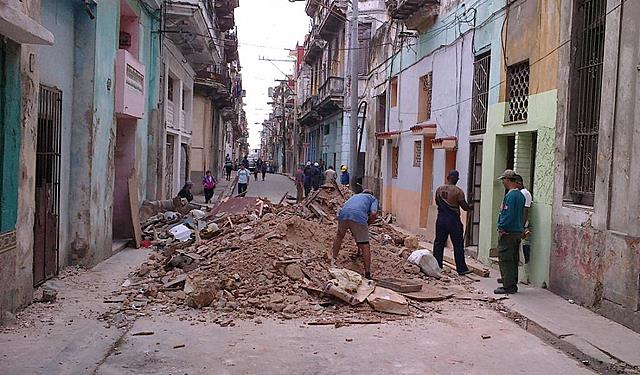
12 February, 2016
La calle Campanario en su intersección con Estrella permanece obstruida al tráfico vehicular desde hace unos días debido a la acumulación de escombros, producto del derrumbe espontáneo de una edificación que ya superaba los cien años. Es sabido que al salir el sol después de los aguaceros, el calentamiento termina resquebrajando las estructuras, sobreviene el […] Leer más
15 December, 2015
Mi maestría en Cultura Latinoamericana casi se va a pique el día que el profesor de Cine Cubano, evaluando una exposición oral de sus alumnos acerca de la cronología de la filmografía nacional, me reprendió por atreverme a mencionar títulos de obras que no habían sido producidas por el ICAIC (Instituto Cubano del Arte e […] Leer más
15 December, 2015
La fotografía siempre fue vista por mí como un hobby, pero uno muy querido, de esos que con el tiempo sabes que se pueden convertir en pasión. Luego que el tiempo pasara y de que me graduara de Licenciado en Comunicación Social, la fotografía, más que pasión, pasó a ser una herramienta de trabajo […] Leer más

15 December, 2015
Cuba es un país que proyecta una imagen al exterior muy potente. Aunque nunca se haya visitado el país, la mayoría de la gente tiene una idea clara de cómo es la isla, con sus carteles con los ídolos de la revolución, sus coches antiguos, sus habitantes sonrientes y sus playas cristalinas. Sin embargo, a […] Leer más
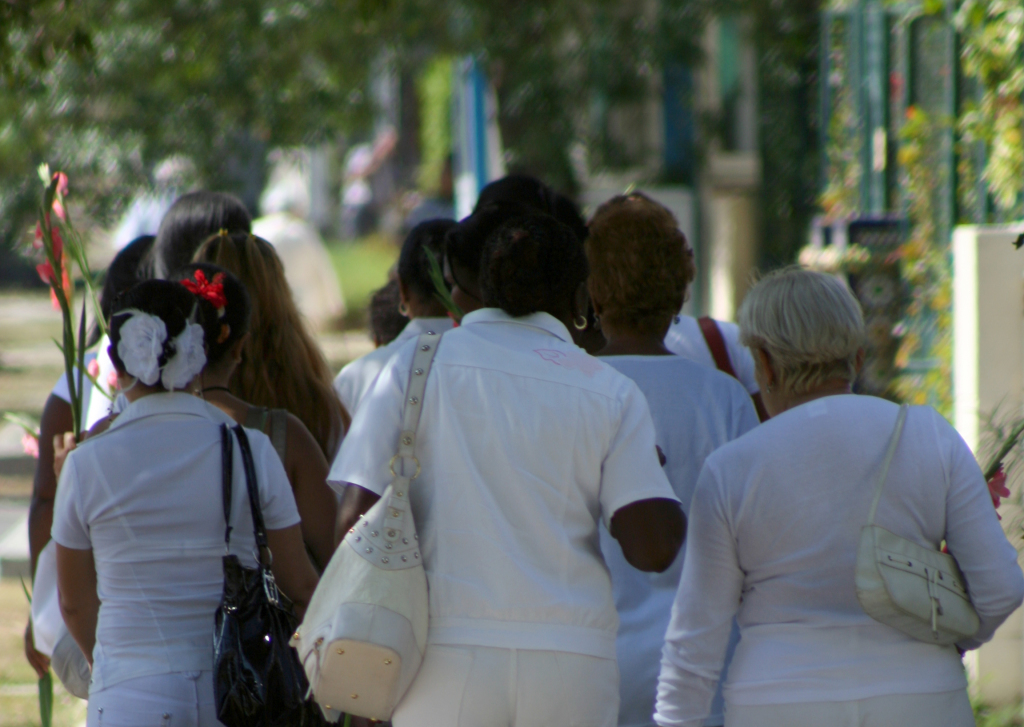
14 December, 2015
El 17 de diciembre de 2014, los presidentes de Cuba y Estados Unidos anunciaron un cambio histórico en las relaciones entre ambos países. Desde ese momento, se han abierto nuevos espacios para los ciudadanos, y la sociedad cubana se cuestiona como no había ocurrido en décadas los fundamentos ideológicos vigentes. Sin embargo, el cambio es […] Leer más
16 November, 2015
Catalina cumplió cuarenta años y como siempre el día pasó inadvertido. Desde la muerte de su esposo en el mar, en una balsa precaria intentando cruzar el estrecho de la Florida, su vida se ha convertido en una ruina. Con tres hijos, Pablo, Clara y Serafín, y la lucha incesante por sobrevivir, el día a […] Leer más
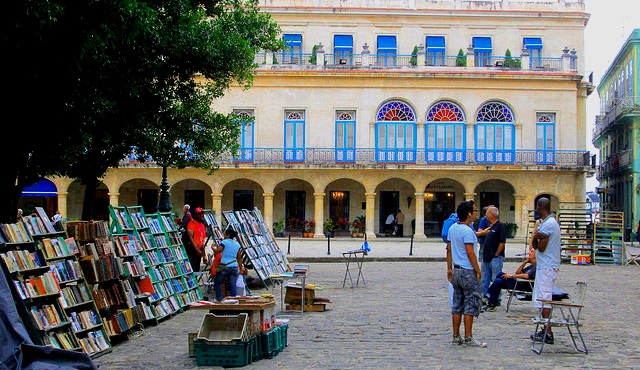
16 October, 2015
Rolando el ingeniero lleva más de 20 años vendiendo libros de los aquí llamados de uso y raros: “Cada día hay menos venta, es más difícil obtener libros, la gente nos acusa de comprar barato y vender caro porque los clientes son mayormente turistas, pero hay que jugársela en la Plaza de Armas para saber […] Leer más
27 August, 2015
La transición que tuvo lugar en la República Checa, impulsada por la Revolución de Terciopelo, se efectuó de forma pacífica y sin enfrentamiento alguno, ya que todos deseaban ese cambio y se daban las condiciones adecuadas. Se logró una verdadera independencia que ayudó al país a salir hacia delante, desarrollar su economía y ratificar un […] Leer más
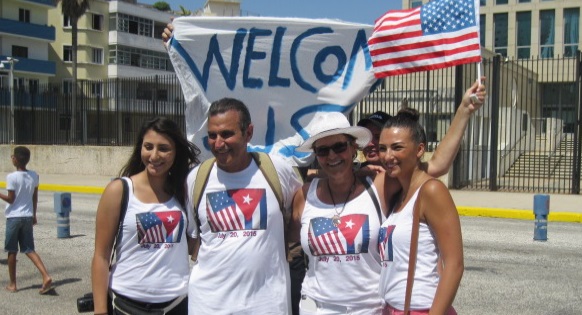
20 August, 2015
Reinaldo Cruz, natural de Manzanillo y con dirección permanente en el barrio habanero El calvario, fue deportado a Cuba en el año 2011. Hoy se pasa el día entero borracho en la playa, sobreviviendo de las regalías que le dan los bañistas, robando al descuido, o relatando sus fechorías cuando habitaba en la ciudad de […] Leer más
28 July, 2015
La ciudad escolar Comandante Ernesto Guevara, en Santa Clara, ha sufrido un fuerte deterioro a lo largo de los años. Informa José Luis León. Leer más

1 July, 2015
Prefería sentarse en los bancos del fondo. Nunca faltaba a la misa del domingo. Achicaba los ojos constantemente, pero su semblante era el de la serenidad y la seguridad que se sienten estando en presencia de una verdad que dimana de la fuerza interior. Su presencia llena de humildad y energía no pasaba por alto, […] Leer más
1 July, 2015
Sonia Garro (Rancho Boyeros, La Habana, 1975) se orienta con una sorprendente facilidad en Praga, a pesar de ser la primera vez que viaja a un país extranjero. Dice que es porque está acostumbrada a tomar puntos de referencia con rapidez. En Cuba, a menudo la policía política la detiene, la mete en un coche […] Leer más
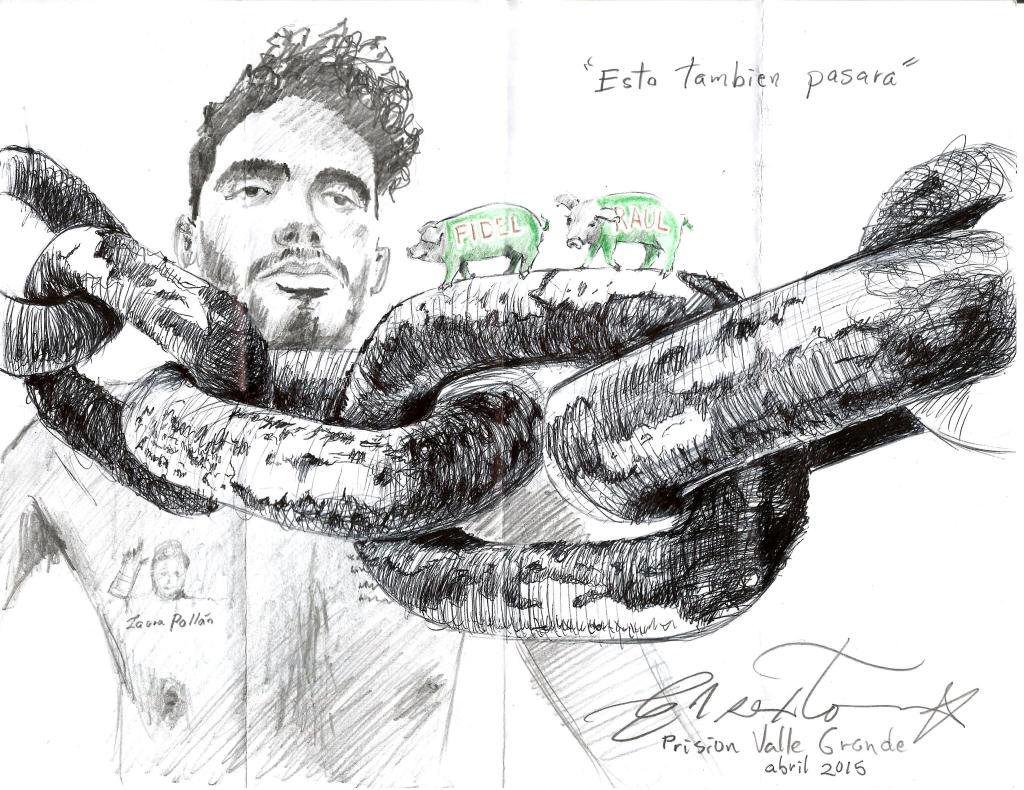
1 July, 2015
„Mi tía abuela de 94 años me pregunta ¿y por fin al muchacho de los puercos encebados ya lo soltaron? La respuesta sigue siendo no. Mi tía abuela sonríe cuando se acuerda del performance de El Sexto, los performances también existen como imágenes en la mente, de hecho esa es su mejor documentación“. Tania Bruguera […] Leer más
1 July, 2015
Cuba está de moda. Y la existencia de presos políticos en la isla ha pasado en pocos meses de ser un tema espinoso a ser un tema verdaderamente molesto: ¿Qué hay más molesto para un país que se abre a la inversión extranjera y para los países extranjeros que quieren invertir en él que reconocer […] Leer más
29 June, 2015
A Elías Pérez Bocourt lo torturaron y humillaron en las prisiones cubanas. Terminó tras las rejas con una condena de 30 años por participar en un intento de salida ilegal que terminó en un asesinato múltiple. Tres personas resultaron asesinadas y una herida de muerte aquel 9 de enero de 1992 cuando, según cuentan […] Leer más
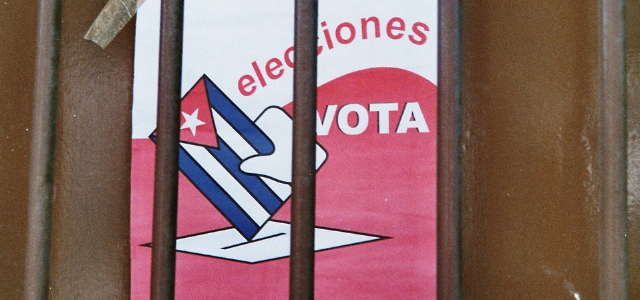
21 May, 2015
La prensa internacional se ha volcado durante la últimas semanas en mostrar al mundo cómo por primera vez en la historia de Cuba (después de la Revolución) dos candidatos de la Oposición, Hildebrando Chaviano y Yuniel López, se presentaban a las elecciones de delegados a las Asambleas Municipales del Poder Popular que tuvieron lugar el […] Leer más
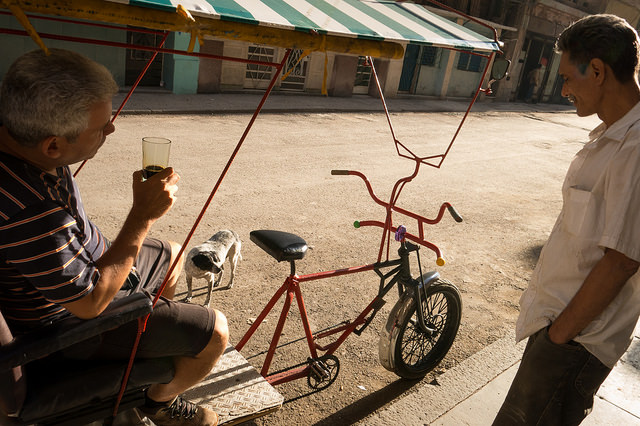
31 March, 2015
El bicitaxi, un medio de transporte de tracción humana que constituye un alivio para la población cubana, ha sufrido en los últimos tiempos una arremetida estatal que pone en peligro su permanencia en las calles. Un recorrido por los barrios y varias entrevistas a algunos choferes de bicitaxi reflejaron una gran cantidad de obstáculos contra […] Leer más
24 March, 2015
En estos días por Praga, mientras persigo mi búsqueda por saberes que huelen a democracia, me encuentro con un grupo de cubanos activistas, quienes han sido invitados por la organización People In Need y las Iglesias Ecuménicas para participar en una marcha en solidaridad a las damas de blanco. Un grupo de mujeres que continúan […] Leer más
24 February, 2015
El grafitero Danilo Maldonado, conocido como El Sexto, fue detenido el 26 de diciembre en el Malecón de La Habana cuando se dirigía con un auto hacia el Parque Central, con dos cerdos, para hacer una performance. Los cerdos llevaban inscritos los nombres „Fidel“ y „Raúl“ respectivamente. Hoy, casi dos meses después, El Sexto permanece […] Leer más
23 December, 2014
Anyer Blanco entró en la cárcel con 18 años siendo un estudiante de música y salió 6 años después convertido en un disidente. Fue condenado a prisión por desertar del Servicio Militar Activo y su acercamiento a la oposición tras las rejas provocó que no le redujeran ni un mes la pena. Su experiencia quizás […] Leer más
23 December, 2014
El joven me insistió no revelara su nombre. Tenía miedo. Cree que la policía política cuenta con poderes casi divinos. Me cuenta que en un interrogatorio le hablaron de los pormenores de su vida desde que cursaba los estudios primarios, las enfermedades que padece, sus gustos, sus fobias, y los nombres de sus mejores amigos, […] Leer más
22 December, 2014
En relación con los últimos avances en las relaciones entre los EE.UU. y Cuba, la ONG checa “People in Need” quiere expresar su esperanza de que estos cambios tengan un impacto positivo en la situación de los abusos contra los derechos humanos que con tanta frecuencia tienen lugar en la isla. Confiamos en que las […] Leer más
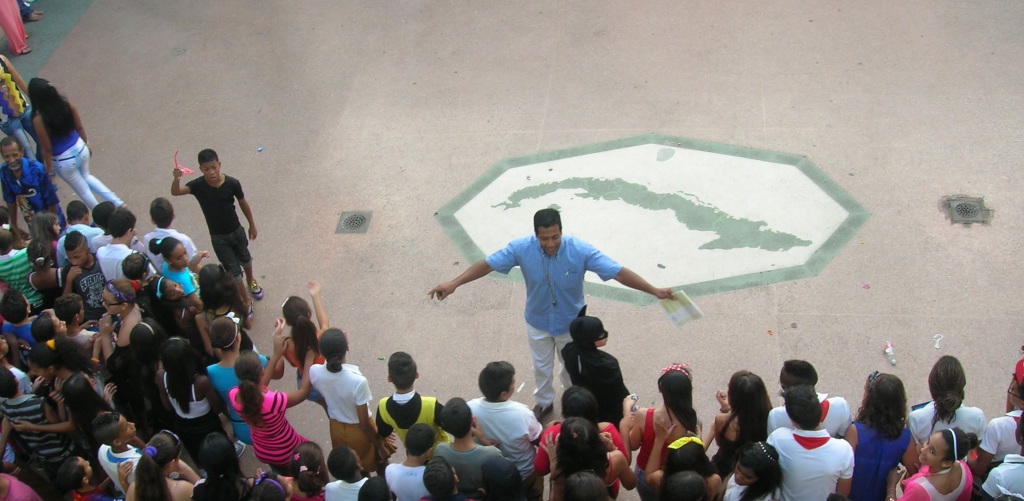
15 December, 2014
La reciente absolución de la reportera Juliet Michelena no entraña en sí un cambio de envergadura en el ambiente represivo. En esencia, el régimen de partido único persiste en el uso de la fuerza, ahora con algunos matices que servirían para mejorar su imagen ante la opinión pública internacional. La integrante de la Red de […] Leer más
15 December, 2014
Un ciudadano español, natural de Toledo, de visita por primera vez en Cuba, me cuenta que ha pasado dos semanas increíbles viviendo como un cubano más, experiencia que le ha dado la posibilidad de tocar con las manos la realidad cubana. Se llama Frank. Dice que no ha visitado ningún lugar turístico, ni se hospedó […] Leer más

12 December, 2014
Agustín López Canino Valentin es el autor del blog cubano Dekaisone y periodista independiente. El pasado noviembre fue detenido arbitrariamente, y presentó su denuncia ante todas las autoridades cubanas relevantes. La ONG checa People in Need brindó información acerca de su caso, que publicó en www.eyeoncuba.org, web que incluye un mapa que muestra los […] Leer más
4 December, 2014
Esta semana tenemos nuestro primer post de un invitado, escrito por Antonella Marty , periodista independiente de Argentina. Ella comparte con nosotros su opinion sobre nuestro proyecto y su visión de la situación actual en Cuba y Venezuela : “Eye on Cuba: Reportando abusos a las libertades en Cuba” Por: Antonella Marty Las “reformas […] Leer más
3 December, 2014
Puedes decargar la revista aquí: RewritingCubaESPAÑOL Leer más
1 December, 2014
Resulta curioso que las fugas desde Cuba apenas tengan eco mediático, cuando se trata de uno de los fenómenos sociales más críticos. Semana tras semana decenas de cubanos se las ingenian para irse del país por vía marítima, a menudo sobre artilugios sin las mínimas condiciones que garanticen el arribo a los lugares de destino. […] Leer más
24 November, 2014
La ONG Checa People in Need, que puso el foco de atención en el caso de Juliet Michelena a través de su página web de monitoreo de los abusos contra los derechos humanos en Cuba, www.eyeoncuba.org, acogió con satisfacción la semana pasada la noticia de su liberación. Sin embargo, no podemos olvidar que fue […] Leer más
18 November, 2014
Violencia policial en Cuba Cuando alguien es arrestado en Cuba, se enfrenta inevitablemente a un gran número de riesgos. No sólo puede verse privado de la libertad ilegalmente durante algunas horas o días, o ser condenado a pasar algunos años tras las rejas, sino que puede ver su integridad física gravemente atentada. Los golpes y […] Leer más
16 November, 2014
El 2003 fue un año de muerte en Cuba. En marzo el gobierno lanzó una guerra abierta contra sus ciudadanos. En escasas horas, más de cien opositores pacíficos y periodistas independientes fueron arrestados de una punta a otra de la Isla. A la postre, la prensa internacional llamó a los más notables como la causa […] Leer más
16 November, 2014
Puede que alguna vez os hayáis preguntado cómo funciona la censura en Cuba. Cabe esperar que un gobierno que ha sabido manejar tan bien el miedo sepa cómo utilizar la censura, que no por sutil hace menos daño. Cuando la cultura de un país se pone al servicio de la política, la sociedad civil siempre […] Leer más
13 November, 2014
De la mañana a la noche, la noticia más esperada en Cuba son tres números, el primero llamado “fijo”, los otros dos “corridos”, cuyas combinaciones pueden proporcionar un alivio a las penurias permanentes o tal vez cambiar el destino de una persona. El sorteo viene de Miami, se visualiza dos veces al día por Telemundo, […] Leer más
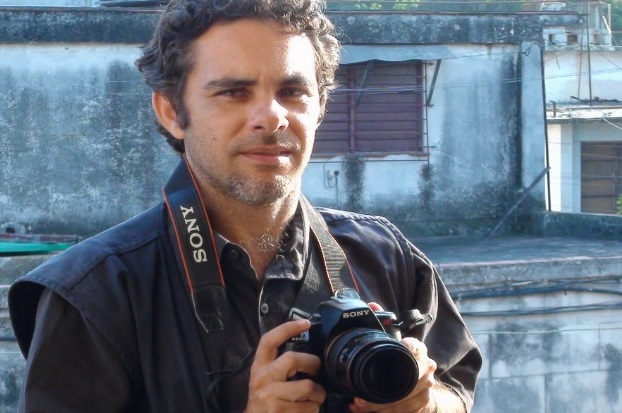
4 November, 2014
Debí conocerle en diciembre de 2013, durante una visita que iba a realizar a Cuba, pero alguien decidió que no podía entrar. Podría llevar una vida más tranquila si continuara con su antiguo trabajo de guía turístico en su natal Praga -de la cual no se cansa de contar historias- pero decidió dedicar su […] Leer más
30 October, 2014
El primer y último recuerdo que tengo de Silvio Rodríguez, ese excelente artista de la música y la poesía del pentagrama, que gracias a Dios pertenece a los cubanos, ocurrió en 1972, en la casa de una querida amiga que teníamos en común. Era un joven que inspiraba pena: mal vestido, con ojos tristes. A […] Leer más
22 October, 2014
El término ha sido utilizado de manera informal desde hace bastante tiempo en Cuba, pero, ¿qué significa realmente? En el pasado se utilizaba cuando un político que había comenzado a ganar demasiada popularidad o que ya no era de utilidad para el régimen era apartado de su puesto. Sin embargo, los ciudadanos no involucrados en […] Leer más
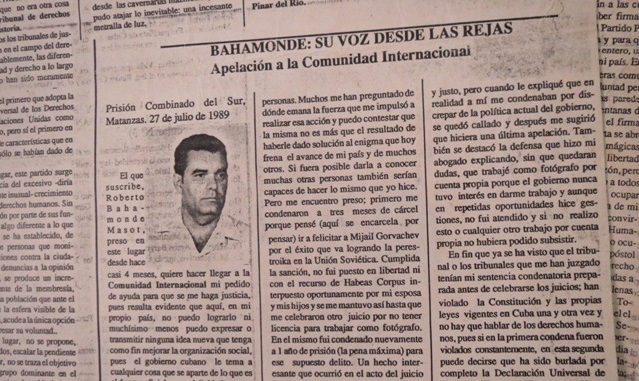
9 October, 2014
Transcurrían los primeros días del mes de marzo de 1989 cuando el ingeniero Roberto Bahamonde despertó muy temprano en la mañana y mientras desayunaba junto a su esposa y sus tres hijos, pasó por su mente la idea de hacer algo por su pueblo. Ese mismo día consultó con varios vecinos del barrio la idea […] Leer más
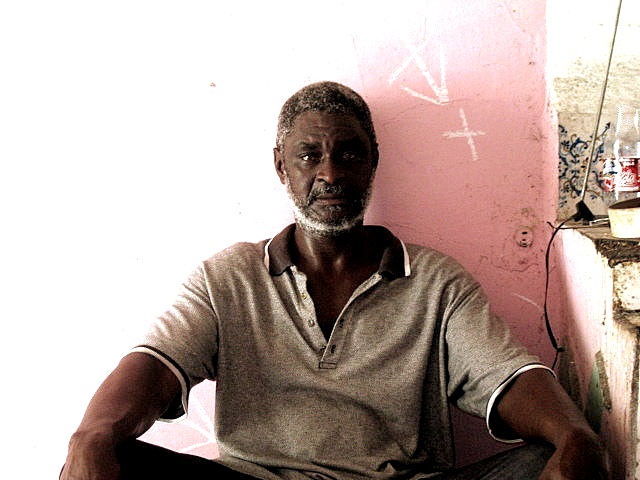
30 September, 2014
A pesar de las repetidas consignas revolucionarias que afirman que el combate contra la discriminación por el color de la piel esta ganado, la realidad es que los negros continúan hoy siendo discriminados en Cuba. La hija de una vecina quedó prendada al ver por la televisión el Ballet Giselle. Esto la motivó a acudir […] Leer más

18 September, 2014
En nuestro país el dengue fue erradicado en 1940, pues a pesar de que estábamos rodeados de países donde existía ese mal (Bolivia, Nicaragua, Paraguay, Venezuela, etc.), las autoridades sanitarias mantenían el más estricto control para impedir la entrada al país de esta y otras enfermedades. No es hasta 1977 que reaparece en Cuba este […] Leer más
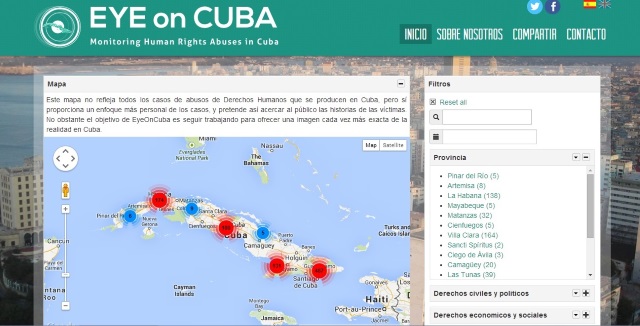
5 September, 2014
Queremos llamar vuestra atención sobre las violaciones de los derechos humanos que se cometen en Cuba. Nuestro proyecto, www.eyeoncuba.org, contiene la información necesaria para probar que estos hechos ocurren sistemáticamente. El mapa de eyeoncuba.org presenta los casos mostrando su ubicación geográfica sobre el mapa, lo que permite comparar el nivel de represión en diferentes […] Leer más
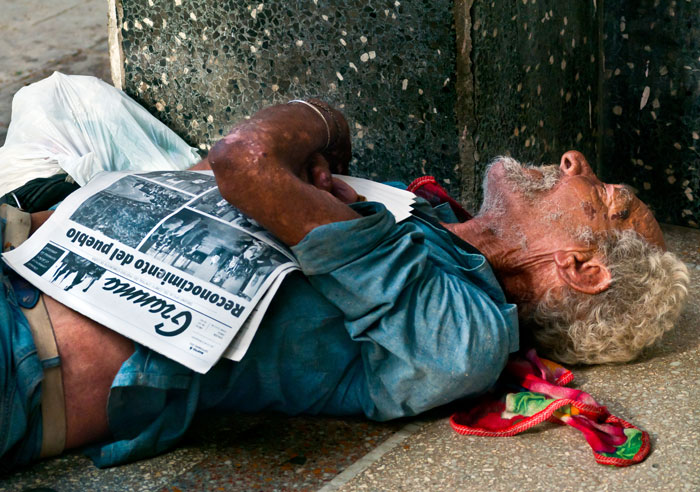
28 August, 2014
¿Eran un grupo de locos? ¿De románticos incorregibles? ¿Se soñadores extravagantes? ¿De seres que se imaginaron alcanzar la luna con una mano? Eran un grupo de cubanos que a fuerza de valentía, empecinamiento y amor a la libertad, trataron de fundar un periódico para denunciar las violaciones a los Derechos Humanos que se cometían en […] Leer más
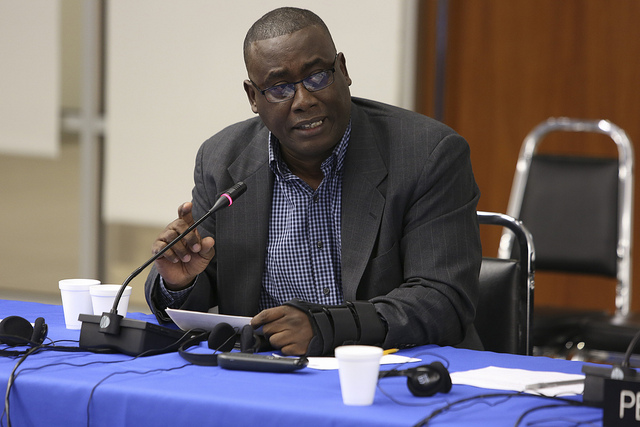
19 August, 2014
Antunez, un conocido activista cubano, fue encarcelado durante 17 años entre 1990 y 2007. ¿Su delito? Haber gritado durante una manifestación en los años 90 que el comunismo era un error y que Cuba era una distopía. Jorge Luis García Pérez, más conocido como Antúnez y su esposa, Yris Pérez Aguilera, fueron detenidos el […] Leer más
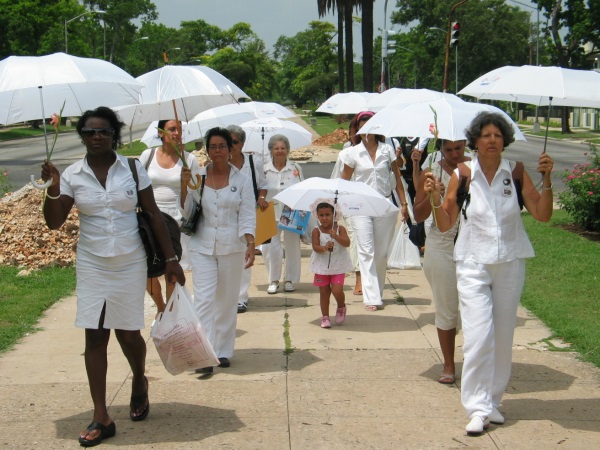
23 July, 2014
Como las Damas de Blanco siguen estando en el punto de mira de las autoridades estatales cubanas la ONG Checa People in Need, desearía señalar a la atención del público dos casos de Damas de Blanco que han estado bajo la represión constante en los últimos dos años. Keila Ramos Suárez tiene 28 años. Desde […] Leer más
7 July, 2014
La periodista independiente, que fue víctima de una detención arbitraria en abril, esta aun mas esperado por una fecha de la corte Juliet Michelena Díaz, periodista independiente que trabaja para la Red Cubana de Comunicadores Comunitarios en La Habana, ha estado en la cárcel desde el 7 de abril después de ser acusada de […] Leer más
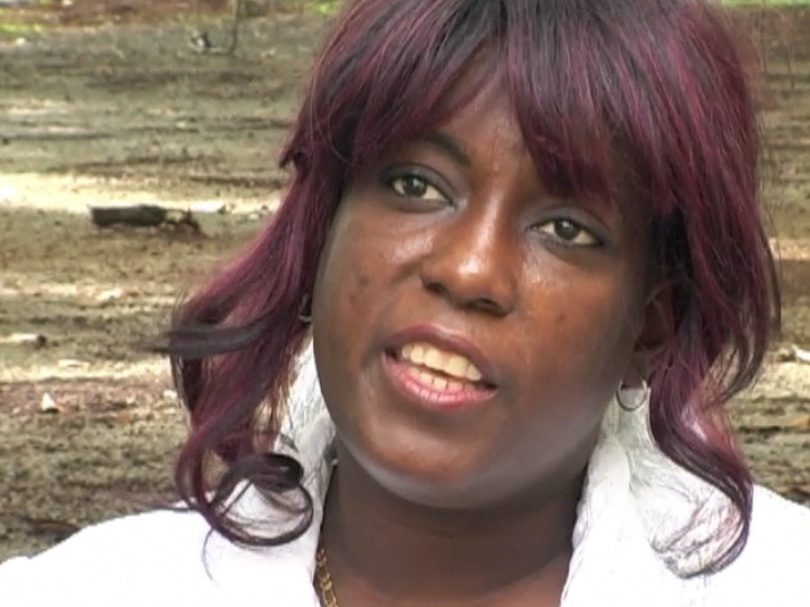
30 June, 2014
Fuentes en la isla informaron hace unos días de que Sonia Garro sería por fin juzgada el próximo lunes 30 de junio. Sin embargo, hoy nos han comunicado que le jucio ha sido pospuesto de nuevo, sin nueva fecha ni explicaciíon alguna. El juicio había sido pospuesto por última vez, igualmente sin motivo y sine […] Leer más
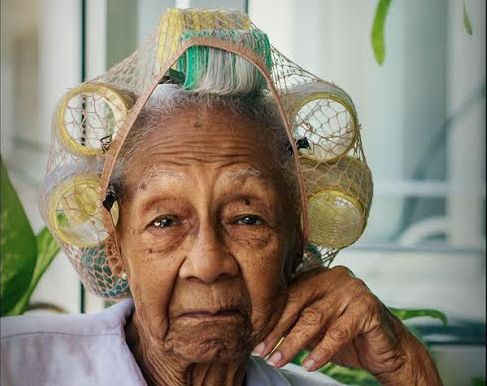
24 June, 2014
La época del miedo en Cuba parece que ya pasó. O puede ser sólo una impresión. Lo que Oswaldo Payá Sardiñas (1952-2012), mártir fundador del Movimiento Cristiano Liberación, llamaba la “cultura del miedo”, tal vez se va ya difuminando en cada esquina de Cuba, según se fue destartalando el aparato de control que sometió a […] Leer más

17 June, 2014
El caso de Ángel Yunier Remón Arzuaga, un joven rapero cubano de Bayamo, conocido bajo el nombre artístico „El Crítico del Arte“, se hizo público a través de la campaña de Twitter #FreeElCritico y una petición en su nombre en change.org. Ha sido encarcelado ilegalmente y todavía está a la espera de que se […] Leer más
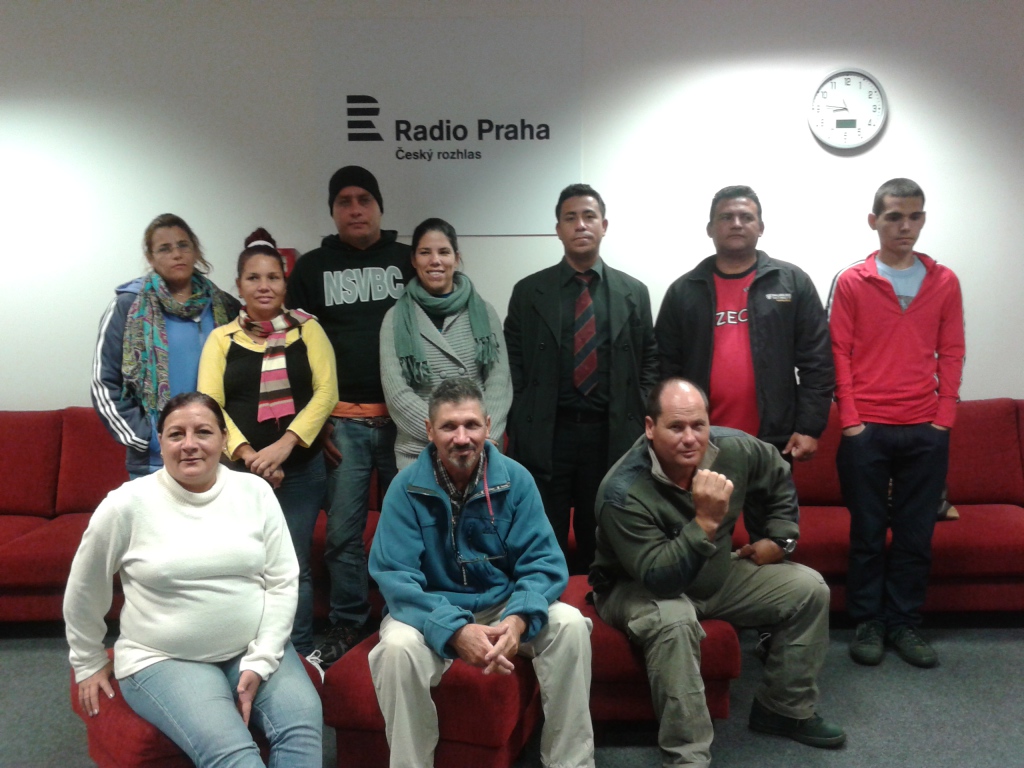
6 June, 2014
Cubanos en Praga, impresiones de la visita Hace dos meses, un grupo de diez cubanos llegó a Praga para una serie de cursos de capacitación en materia de derechos humanos. Antes de irse, dejaron sus impresiones por escrito. A pesar de que vinieron de diferentes partes de Cuba y tuvieron profesiones muy diversas, como abogados, […] Leer más